Lighting is one of the most essential elements of daily life, yet it is often overlooked. From homes and offices to streets and industries, lighting shapes how we see, feel, and function in our environment. Over time, lighting technology has evolved dramatically, moving from traditional incandescent bulbs to advanced LED systems that are energy-efficient, long-lasting, and environmentally friendly.
This blog explores the importance of lighting, different types of lighting, modern innovations, and how proper lighting choices can improve comfort, productivity, safety, and energy savings.
The Role of Lighting in Everyday Life
Lighting does much more than simply brighten a space. It influences mood, productivity, and even health. Natural light from the sun helps regulate our body’s internal clock, while artificial lighting allows us to continue activities after sunset.
In homes, lighting creates comfort and warmth. In offices, it enhances focus and reduces eye strain. In public areas, it ensures safety and visibility. Without proper lighting, everyday tasks become difficult and inefficient.
Good lighting design considers not only brightness but also placement, color temperature, and energy consumption.
Types of Lighting
Lighting can be categorized into several types based on its purpose and application.
1. Ambient Lighting
Ambient lighting is the main source of light in a space. It provides overall illumination and ensures that a room is evenly lit. Ceiling lights, chandeliers, and recessed lighting are common examples.
This type of lighting creates a base layer that supports other lighting types.
2. Task Lighting
Task lighting is designed for specific activities such as reading, cooking, studying, or working on a computer. It is more focused and brighter than ambient lighting.
Examples include desk lamps, under-cabinet kitchen lights, and bedside reading lamps.
3. Accent Lighting
Accent lighting is used to highlight specific objects or areas, such as artwork, architectural features, or decorative elements. It adds depth and visual interest to a space.
Spotlights and wall-mounted fixtures are commonly used for this purpose.
4. Decorative Lighting
Decorative lighting is mainly used for aesthetic purposes. It enhances the beauty of a space and creates a specific atmosphere. Fairy lights, chandeliers, and stylish pendant lights fall into this category.
Evolution of Lighting Technology
Lighting technology has come a long way over the years. Earlier, people relied on candles and oil lamps, which were not very efficient or safe. The invention of the incandescent bulb brought a major revolution in lighting.
However, incandescent bulbs consumed a lot of energy and had a short lifespan. This led to the development of fluorescent lamps, which were more efficient but still had limitations such as flickering and environmental concerns.
Today, LED lighting has become the standard. LED lights are energy-efficient, durable, and environmentally friendly. They consume significantly less electricity and last much longer than traditional lighting systems.
Benefits of Modern LED Lighting
LED lighting has transformed the lighting industry in many ways. Some of the key benefits include:
Energy Efficiency
LED lights consume up to 80% less energy compared to traditional bulbs. This makes them cost-effective and environmentally friendly.
Long Lifespan
LED lights can last for tens of thousands of hours, reducing the need for frequent replacements.
Low Heat Emission
Unlike incandescent bulbs, LEDs produce very little heat, making them safer and more efficient.
Eco-Friendly
LED lights do not contain harmful substances like mercury and are fully recyclable.
Better Light Quality
LEDs offer a range of color temperatures, from warm white to cool daylight, allowing users to choose according to their needs.
Lighting in Homes
Home lighting plays a key role in creating a comfortable and inviting environment. Each room requires a different lighting setup.
In living rooms, a combination of ambient and decorative lighting creates a cozy atmosphere. In kitchens, bright task lighting is essential for safety and precision. Bedrooms benefit from soft, warm lighting that promotes relaxation.
Smart lighting systems are becoming increasingly popular in homes. These systems allow users to control brightness, color, and timing through mobile apps or voice assistants.
Lighting in Offices and Workspaces
Proper lighting in offices is essential for productivity and employee well-being. Poor lighting can lead to eye strain, fatigue, and reduced efficiency.
Bright, evenly distributed lighting helps workers stay focused and alert. Many modern offices now use LED panel lights and natural daylight integration to create a balanced environment.
Task lighting is also important for individual workstations, ensuring employees have enough light for detailed tasks.
Outdoor and Street Lighting
Outdoor lighting is crucial for safety and security. It is widely used in streets, parks, parking areas, and public spaces.
Street lighting helps reduce accidents and crime by improving visibility at night. Modern LED street lights are widely used because they are energy-efficient and require less maintenance.
Outdoor lighting is also used for landscaping and architectural highlighting, enhancing the beauty of buildings and public areas.
Industrial Lighting
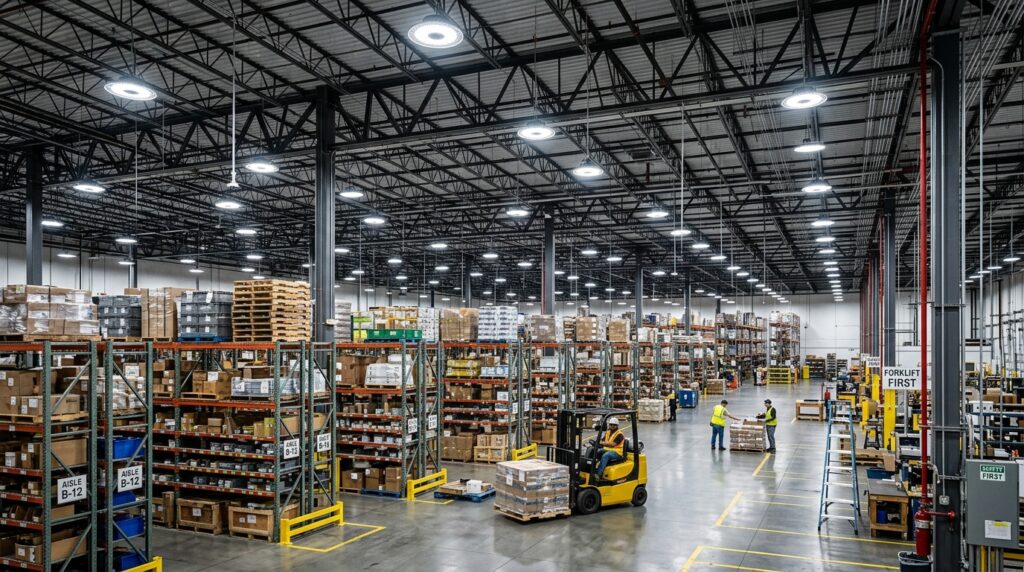
Industries require powerful and durable lighting systems. Factories, warehouses, and manufacturing plants need high-intensity lighting to ensure safe and efficient operations.
Industrial lighting must withstand harsh conditions such as dust, heat, and vibration. LED high-bay lights and floodlights are commonly used in industrial environments due to their durability and brightness.
Smart Lighting Systems
Smart lighting is one of the most exciting innovations in modern lighting technology. These systems allow users to control lighting remotely using smartphones or voice commands.
Features of smart lighting include:
- Adjustable brightness
- Color-changing options
- Motion sensors
- Scheduling and automation
Smart lighting not only adds convenience but also helps save energy by ensuring lights are used only when needed.
The Importance of Proper Lighting Design
Good lighting design is not just about installing lights. It involves planning how light interacts with space, color, and function.
Poor lighting can make a space feel uncomfortable, while well-designed lighting enhances aesthetics and usability. Factors such as room size, purpose, natural light availability, and energy efficiency should be considered when designing lighting systems.
Environmental Impact of Lighting
Traditional lighting systems consume large amounts of energy, contributing to environmental pollution and carbon emissions. With the rise of LED and solar-powered lighting, the environmental impact has significantly reduced.
Energy-efficient lighting helps reduce electricity demand, lowering greenhouse gas emissions. Many governments are also promoting the use of LED lighting to support sustainability goals.
Future of Lighting
The future of lighting is expected to be even more advanced and intelligent. Innovations such as human-centric lighting, which adjusts according to natural circadian rhythms, are becoming more popular.
Integration with smart home systems, artificial intelligence, and IoT (Internet of Things) will make lighting more automated and personalized.
Solar-powered lighting is also expected to grow, especially in developing regions where energy resources are limited.
Conclusion
Lighting is an essential part of modern life that goes far beyond simple illumination. It affects mood, productivity, safety, and energy consumption. With advancements in technology, especially LED and smart lighting systems, we now have more efficient and customizable lighting options than ever before.
Choosing the right lighting for different spaces can greatly improve quality of life while also reducing energy costs and environmental impact. As technology continues to evolve, lighting will become even more intelligent, sustainable, and integrated into everyday living.