Cancer prevention has become an important part of modern healthcare, with increasing attention placed on identifying preventable factors, maintaining healthy lifestyle habits, vaccination, and appropriate screening. Cancer is a broad group of diseases, and there is no single strategy that can prevent every type. However, the World Health Organization states that a substantial proportion of cancer cases can be prevented through evidence-based measures, while early detection can improve outcomes for several cancers.
For individuals considering Cancer Prevention In Dubai, a modern approach can involve understanding personal health history, identifying appropriate screening opportunities, maintaining healthy habits, and discussing preventive care with qualified healthcare professionals. At Grand European Clinic, preventive healthcare can be approached around the individual’s health profile, lifestyle, family history, and appropriate medical evaluations.
Understanding Modern Cancer Prevention
Cancer Prevention cost In Dubai involves reducing exposure to established risk factors while supporting behaviors and medical practices associated with lower cancer incidence. Prevention does not mean that cancer can always be avoided, because some factors cannot be controlled, including certain genetic and biological characteristics. Instead, modern prevention focuses on practical measures that can reduce risk where evidence supports them.
The WHO identifies tobacco use, unhealthy diet, physical inactivity, excess body weight, alcohol consumption, ultraviolet radiation, certain infections, air pollution, and unnecessary radiation exposure among factors associated with cancer. Vaccination against HPV and hepatitis B can also contribute to prevention of cancers associated with these infections.
The Importance of a Healthy Lifestyle
Lifestyle management is one of the central components of modern cancer prevention. Maintaining a healthy body weight, engaging in regular physical activity, and following a balanced diet can contribute to lowering the risk of several cancers.
The WHO recommends regular physical activity, maintaining a healthy weight, and consuming a healthy diet that includes fruits and vegetables as part of cancer prevention. The World Cancer Research Fund similarly emphasizes healthy weight, physical activity, whole grains, vegetables, fruit, and beans while recommending limits on fast foods and processed meat.
These recommendations can be incorporated into everyday routines rather than treated as short-term changes. Regular movement, balanced meals, adequate nutritional variety, and maintaining a healthy weight can support broader health while also contributing to cancer prevention strategies.
Tobacco Avoidance and Cancer Prevention
Avoiding tobacco is one of the most significant preventable steps associated with cancer prevention. Tobacco use is strongly linked with numerous cancers, and the WHO identifies tobacco as a major avoidable cause of cancer mortality. This includes cigarettes as well as smokeless tobacco products.
For people who currently use tobacco, professional support for quitting can become an important part of preventive healthcare. Avoiding exposure to secondhand smoke is also relevant. A prevention-focused consultation can provide an opportunity to discuss tobacco use and other modifiable factors within the context of an individual’s overall health.
Nutrition and Physical Activity
Diet and physical activity are closely connected with long-term health. A balanced eating pattern that includes vegetables, fruits, whole grains, and other nutrient-rich foods can support healthy body weight and overall metabolic health. Regular physical activity can likewise contribute to maintaining a healthy weight.
Cancer prevention does not require following a single specific diet. Instead, evidence-based recommendations generally emphasize dietary quality and healthy patterns. The WHO identifies healthy diet and physical activity among established prevention strategies.
At Grand European Clinic, preventive health discussions can consider lifestyle habits alongside other factors such as age, family history, and existing medical conditions.
Vaccination as a Cancer Prevention Strategy
Vaccination is another important component of modern cancer prevention. Certain infections can contribute to the development of cancer, making prevention of those infections relevant to cancer control.
The HPV vaccine can help prevent infections associated with several cancers, including cervical cancer, while hepatitis B vaccination can help reduce the risk of hepatitis B infection and related liver cancer. The CDC identifies HPV and hepatitis B vaccination as measures that can help prevent certain cancers.
Whether vaccination is appropriate depends on factors such as age, medical history, vaccination history, and applicable clinical recommendations. Discussing vaccination with a healthcare professional can help determine which preventive measures are relevant.
The Role of Cancer Screening
Screening is different from prevention in the strict sense. Screening looks for certain cancers or precancerous changes before symptoms appear, potentially allowing abnormalities to be identified at an earlier stage.
The CDC currently supports screening recommendations for breast, cervical, colorectal, and lung cancers in appropriate populations. For example, mammography can help detect breast cancer early, cervical screening can identify HPV-related changes or precancerous abnormalities, and colorectal screening can identify precancerous polyps. Lung cancer screening with low-dose CT is recommended for certain people with significant smoking histories.
Screening is not automatically appropriate for everyone or for every cancer type. WHO recommends that screening programs be implemented when effectiveness has been demonstrated and appropriate diagnostic and treatment resources are available.
Personalized Screening and Health History
A modern preventive approach considers more than age alone. Family history, previous medical conditions, lifestyle factors, and other individual characteristics can influence which preventive services may be appropriate.
For example, people with particular family histories may need to discuss screening strategies with their healthcare provider at different ages or intervals than people at average risk. Maintaining an updated family health history can help healthcare professionals identify information that may be relevant to preventive care. The CDC recommends discussing family health history with a doctor when considering preventive healthcare.
For individuals seeking Cancer Prevention In Dubai, a personalized consultation can therefore provide an opportunity to organize relevant health information and discuss appropriate preventive measures.
Sun Protection and Skin Cancer Prevention
Ultraviolet radiation is another established cancer-related factor. Excessive exposure to UV radiation from sunlight and artificial tanning devices is associated with skin cancer. WHO recommends reducing unnecessary UV exposure and using protective measures.
Modern sun protection can include seeking shade during periods of intense sunlight, wearing protective clothing, and using appropriate sunscreen. These habits can become part of everyday preventive skincare, particularly for people who spend substantial time outdoors.
Regular attention to changing skin lesions or unusual skin changes can also be discussed with a healthcare professional when appropriate.
Reducing Unnecessary Radiation Exposure
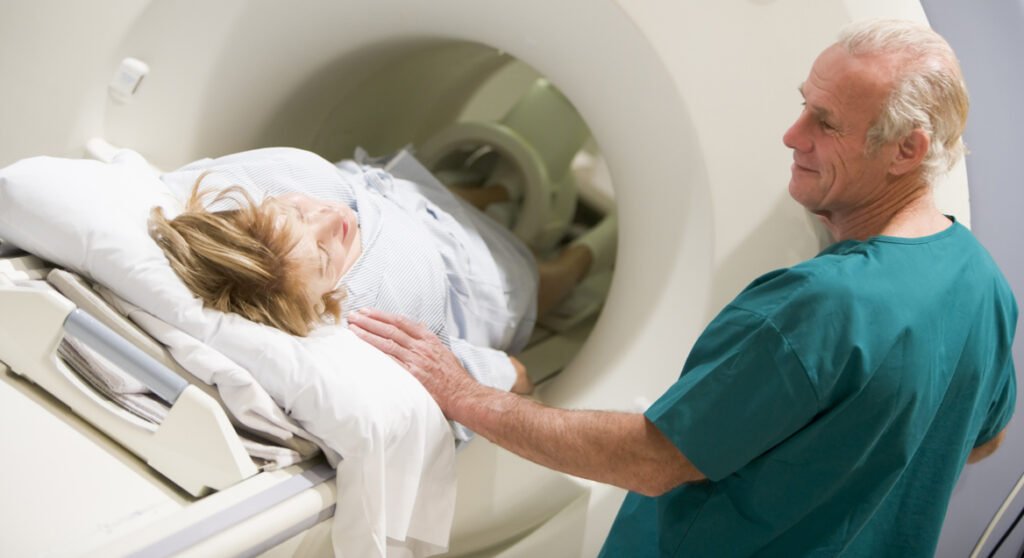
Radiation has legitimate and valuable medical applications, including diagnostic imaging and cancer treatment. Modern prevention focuses on ensuring that ionizing radiation is used safely and appropriately rather than avoiding medically necessary examinations.
WHO recommends preventing unnecessary ionizing radiation exposure and ensuring appropriate use of radiation in healthcare. Occupational exposure may also require suitable protective measures.
Medical imaging decisions should therefore be based on clinical needs and professional guidance rather than avoiding useful diagnostic tests solely because they involve radiation.
Early Diagnosis and Awareness
Cancer prevention also connects with early diagnosis. While screening is designed for people without symptoms, early diagnosis involves recognizing concerning symptoms and obtaining medical assessment promptly.
WHO distinguishes screening from early diagnosis and notes that timely identification of symptomatic cancer can support earlier treatment.
This makes awareness an important component of preventive healthcare. Persistent or unexplained changes in the body should be discussed with an appropriate healthcare professional rather than ignored or self-diagnosed.
Understanding Cancer Prevention Cost In Dubai
The Cancer Prevention cost In Dubai can vary depending on the type of preventive healthcare services included in an individual’s plan. Preventive care may involve consultations, health assessments, laboratory testing, screening examinations, imaging when clinically appropriate, vaccination discussions, and follow-up appointments.
Because preventive healthcare is personalized, two individuals may require different services. Age, family history, existing health conditions, screening eligibility, and the type of assessment being considered can all influence the overall cost.
At Grand European Clinic, discussing the Cancer Prevention cost In Dubai during a consultation can help patients understand which preventive services may be relevant to their individual circumstances and how those services contribute to the overall plan.
Building a Long-Term Prevention Plan
Cancer prevention works best as an ongoing approach rather than a single appointment. Healthy lifestyle habits, appropriate vaccination, regular medical care, and age- and risk-appropriate screening can all form parts of a long-term preventive strategy.
A prevention plan may also change over time. As a person ages, their screening needs can change, while new family health information or changes in lifestyle may affect future recommendations. Regular healthcare discussions can help keep preventive planning aligned with current circumstances.
Grand European Clinic can provide a consultation-based setting where patients can discuss their preventive health priorities and understand which areas may deserve attention.
Why Personalized Cancer Prevention Matters
Cancer prevention is not identical for every person. Some preventive measures are broadly relevant, while others depend on age, sex, family history, previous medical findings, lifestyle, or specific risk factors.
A personalized approach can help avoid both under-screening and unnecessary testing by focusing on evidence-based recommendations appropriate to the individual. The CDC notes that screening recommendations vary by cancer type and population, while WHO emphasizes selecting screening programs according to demonstrated effectiveness and appropriate resources.
For those exploring Cancer Prevention In Dubai, professional guidance can make preventive healthcare more structured and easier to understand.
Conclusion
Modern cancer prevention combines healthy lifestyle choices, tobacco avoidance, appropriate vaccination, protection from excessive UV exposure, physical activity, healthy weight management, and evidence-based screening. The WHO estimates that a substantial proportion of cancer cases can be prevented through established prevention strategies, while screening and early diagnosis can help identify certain cancers earlier.
For individuals exploring Cancer Prevention In Dubai, personalized preventive care can provide a practical framework for understanding which measures are appropriate based on age, health history, lifestyle, and other individual factors. Grand European Clinic can support a consultation-focused approach to preventive healthcare, while the Cancer Prevention cost In Dubai can be discussed according to the specific assessments, screenings, consultations, and services included in an individual’s prevention plan.
FAQs About Cancer Prevention In Dubai
1. What does Cancer Prevention In Dubai involve?
Cancer Prevention In Dubai can involve lifestyle guidance, appropriate vaccination, preventive health consultations, screening for selected cancers, and early evaluation of concerning symptoms. The exact approach depends on individual health factors and established clinical recommendations.
2. Can lifestyle changes help with cancer prevention?
Yes. Evidence-based recommendations include avoiding tobacco, maintaining a healthy weight, staying physically active, eating a healthy diet, limiting alcohol, and reducing unnecessary exposure to UV radiation. These measures can lower the risk of several cancers.
3. What factors affect Cancer Prevention cost In Dubai?
The Cancer Prevention cost In Dubai depends on the services included in an individual’s preventive plan. Consultation requirements, screening tests, laboratory assessments, imaging, vaccination-related services, and follow-up appointments can all affect the overall cost.
4. Which cancers can be detected through screening?
Established screening programs can help detect certain cancers early, including breast, cervical, colorectal, and lung cancers in appropriate populations. Screening eligibility and intervals depend on factors such as age and individual risk.
5. Why is personalized cancer prevention important?
Personalized prevention considers factors such as age, family health history, lifestyle, previous medical findings, and other relevant characteristics. This helps healthcare professionals discuss preventive measures and screening options that are appropriate for the individual rather than applying the same approach to everyone.