Elbow arthritis can make everyday movements difficult and painful. Simple tasks such as lifting objects, opening doors, cooking, typing, or even shaking hands may become uncomfortable over time. Many people living with elbow arthritis struggle with stiffness, swelling, and reduced movement that can affect work, sports, and daily activities.
In recent years, many patients have started exploring advanced non-surgical options to manage joint pain and improve mobility. One treatment approach that is gaining attention is Regenerative Medicine for Elbow Arthritis. This modern treatment focuses on supporting the body’s natural healing process and may help reduce pain and improve joint function.
Unlike traditional treatments that mainly focus on temporary symptom relief, regenerative medicine aims to improve tissue health and support long-term recovery. It is often considered by people who want to delay surgery or look for minimally invasive treatment options.
This article explains elbow arthritis, its causes and symptoms, and how regenerative medicine may help patients manage pain and improve quality of life.
Understanding Elbow Arthritis
Elbow arthritis happens when the cartilage inside the elbow joint becomes damaged or wears down over time. Cartilage is the smooth tissue that helps bones move easily against each other. When cartilage becomes thin or damaged, the bones may rub together, causing pain, inflammation, and stiffness.
The elbow joint is made of bones, cartilage, ligaments, tendons, and soft tissues that work together to allow smooth arm movement. When arthritis develops, the joint may lose flexibility and become painful during movement.
Although arthritis is more common in larger joints like the knees and hips, the elbow can also be affected, especially in people with previous injuries or repetitive stress on the joint.
Common Types of Elbow Arthritis
There are different types of arthritis that may affect the elbow joint.
Osteoarthritis
Osteoarthritis is the most common type. It develops gradually due to wear and tear of the cartilage. It is often seen in older adults or people who use their arms heavily for work or sports.
Rheumatoid Arthritis
Rheumatoid arthritis is an autoimmune condition where the immune system attacks the joint lining. It can affect both elbows and may cause swelling, pain, and joint deformity over time.
Post-Traumatic Arthritis
This type develops after an injury such as a fracture, dislocation, or ligament damage. Even after healing, the joint may develop arthritis years later.
Symptoms of Elbow Arthritis
Symptoms can vary from person to person depending on the severity of the condition.
Common symptoms include:
- Pain during movement
- Joint stiffness
- Swelling around the elbow
- Difficulty bending or straightening the arm
- Grinding or clicking sensation
- Weakness in the arm
- Reduced range of motion
- Pain while lifting objects
Some patients may notice symptoms becoming worse during cold weather or after physical activity.
Causes and Risk Factors
Several factors may increase the risk of developing elbow arthritis.
Aging
As people age, cartilage naturally becomes thinner and less flexible.
Previous Injuries
Past fractures, dislocations, or sports injuries may increase the chances of joint damage later in life.
Repetitive Movements
Repeated elbow stress from sports or physical labor may contribute to cartilage wear.
Autoimmune Disorders
Conditions like rheumatoid arthritis can attack the joint and lead to inflammation.
Obesity
Extra body weight may increase inflammation throughout the body and affect joint health.
Family History
Some people may have a genetic tendency to develop arthritis.
How Elbow Arthritis Affects Daily Life
Elbow arthritis can interfere with many simple activities. People may struggle to:
- Carry groceries
- Lift children
- Cook meals
- Write or type
- Exercise comfortably
- Play sports
- Perform work duties
Chronic pain may also affect sleep quality and emotional well-being. Over time, reduced movement can weaken muscles and further limit arm function.
Because of these challenges, many patients look for treatments that can improve comfort while helping them stay active.
Traditional Treatments for Elbow Arthritis
Doctors usually begin with conservative treatment options before considering surgery.
Medications
Pain relievers and anti-inflammatory medications may help reduce discomfort.
Physical Therapy
Stretching and strengthening exercises may improve flexibility and joint stability.
Lifestyle Changes
Reducing activities that strain the elbow can help manage symptoms.
Bracing
Supportive braces may reduce pressure on the joint.
Corticosteroid Injections
Steroid injections may temporarily reduce inflammation and pain.
While these methods can help, they may not always address the underlying tissue damage. Some patients continue to experience discomfort despite ongoing treatment.
What Is Regenerative Medicine?
Regenerative medicine is a modern medical approach that focuses on supporting the body’s natural healing abilities. Instead of simply masking pain, regenerative treatments aim to repair or support damaged tissues.
This field of medicine uses biological materials from the patient’s own body to encourage healing, reduce inflammation, and improve tissue function.
Many patients are now exploring regenerative therapies as a non-surgical option for chronic joint conditions.
How Regenerative Medicine for Elbow Arthritis Works
Regenerative Medicine for Elbow Arthritis is designed to support healing inside the joint. The goal is to reduce inflammation, improve tissue health, and help patients regain better movement.
These treatments may help:
- Reduce joint pain
- Improve flexibility
- Support cartilage health
- Lower inflammation
- Improve overall joint function
Regenerative medicine treatments are usually performed using minimally invasive techniques and often require little downtime.
Common Regenerative Medicine Treatments for Elbow Arthritis
Several regenerative therapies may be used depending on the patient’s condition and treatment goals.
Platelet-Rich Plasma (PRP) Therapy
PRP therapy uses a concentrated portion of the patient’s own blood that contains platelets and growth factors.
The treatment process usually includes:
- Drawing a small amount of blood
- Processing the blood to separate platelets
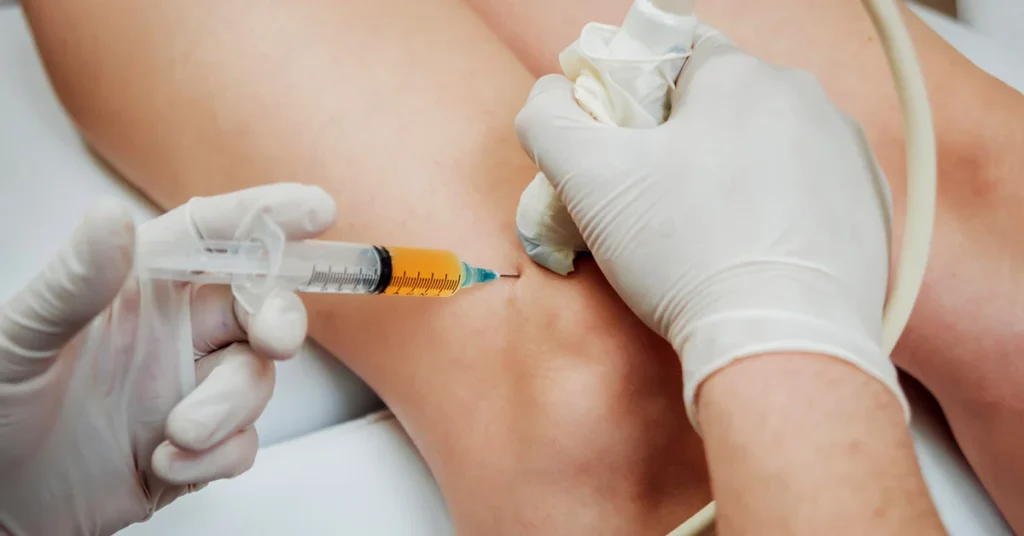
- Injecting the concentrated solution into the elbow joint
Platelets contain natural growth factors that may support healing and reduce inflammation.
PRP therapy is commonly used for joint pain, tendon injuries, and arthritis-related conditions.
Stem Cell Therapy
Stem cell therapy is another regenerative treatment that may help support tissue repair.
Stem cells are special cells that can assist in healing and tissue regeneration. These cells are usually collected from the patient’s own bone marrow or fat tissue.
After preparation, the stem cells are injected into the affected elbow joint to support healing and reduce inflammation.
Some patients choose stem cell therapy when they want an alternative to surgery or when traditional treatments have not provided enough relief.
Benefits of Regenerative Medicine for Elbow Arthritis
Many patients consider regenerative medicine because of its potential advantages.
Minimally Invasive
Most procedures are performed using injections rather than surgery.
Reduced Recovery Time
Patients often return to normal activities faster compared to surgical treatments.
Uses the Body’s Natural Healing Process
Many regenerative therapies use the patient’s own biological materials.
May Reduce Pain Naturally
Some patients experience gradual pain reduction without relying heavily on medications.
Improved Joint Function
Treatment may help improve flexibility and movement in the elbow.
Personalized Treatment
Therapies can often be adjusted based on the patient’s condition and goals.
Who May Benefit from Regenerative Medicine?
Regenerative medicine may be considered for patients who:
- Have mild to moderate elbow arthritis
- Want to avoid surgery
- Continue to experience pain despite conservative treatments
- Have reduced mobility
- Want minimally invasive treatment options
- Are physically active and wish to maintain joint function
A detailed medical evaluation is important to determine whether regenerative treatment is suitable for each patient.
What to Expect During Treatment
The treatment process usually begins with a consultation and physical examination. Imaging tests such as X-rays or MRI scans may also be used to assess joint damage.
During the procedure:
- The treatment area is cleaned and prepared
- Biological material may be collected if needed
- The regenerative solution is injected into the elbow joint
Most procedures are completed within a short visit.
Some patients may experience mild soreness for a few days after treatment, but recovery is generally manageable.
Recovery After Regenerative Medicine Treatment
Recovery varies depending on the type of therapy and the severity of arthritis.
Patients are often advised to:
- Avoid heavy lifting for a short period
- Follow rehabilitation exercises
- Attend follow-up appointments
- Maintain a healthy lifestyle
Improvement may happen gradually over several weeks or months as the body responds to treatment.
Lifestyle Tips for Managing Elbow Arthritis
In addition to medical treatment, healthy habits can help protect the elbow joint.
Stay Active
Gentle exercises may improve flexibility and reduce stiffness.
Maintain a Healthy Weight
Healthy body weight may reduce inflammation and support overall joint health.
Use Proper Techniques During Activities
Avoid excessive strain on the elbow during sports or work.
Eat a Balanced Diet
Nutritious foods may support tissue healing and reduce inflammation.
Avoid Smoking
Smoking may interfere with circulation and healing.
Follow Physical Therapy Guidance
Regular stretching and strengthening exercises may help improve mobility.
Can Regenerative Medicine Prevent Surgery?
Some patients may experience enough symptom improvement to delay or avoid surgery. However, results vary depending on the severity of joint damage and individual healing response.
Patients with advanced arthritis may still eventually require surgical treatment. Even in such cases, regenerative medicine may help improve comfort and function for a period of time.
A specialist can help determine the best treatment plan based on the patient’s condition.
Risks and Considerations
Although regenerative medicine is generally considered minimally invasive, every medical procedure has potential risks.
Possible considerations include:
- Temporary swelling
- Mild discomfort at the injection site
- Infection risk
- Variable treatment results
Patients should always seek treatment from experienced medical professionals who specialize in regenerative therapies.
The Future of Regenerative Medicine for Joint Care
Regenerative medicine continues to grow as research advances in orthopedic and sports medicine fields. Scientists and doctors are studying how biological therapies may help improve tissue repair and joint preservation.
As technology improves, regenerative treatments may become an increasingly important option for people dealing with arthritis and chronic joint pain.
Many patients appreciate the possibility of managing symptoms while avoiding major surgery and long recovery periods.
Conclusion
Elbow arthritis can affect comfort, movement, and quality of life. Pain, stiffness, and reduced flexibility may interfere with daily activities and make even simple tasks difficult. While traditional treatments may help control symptoms, some patients seek more advanced options that support long-term joint health.
Regenerative Medicine for Elbow Arthritis offers a modern and minimally invasive approach that focuses on supporting the body’s natural healing process. Treatments such as PRP therapy and stem cell therapy may help reduce inflammation, improve joint function, and support tissue repair.
Patients considering regenerative medicine should undergo a thorough medical evaluation to determine the most suitable treatment approach for their condition. Under the guidance of experienced specialists like Dr Marouane Bouloudhnine, regenerative therapies may provide new possibilities for managing elbow arthritis symptoms and improving overall quality of life.