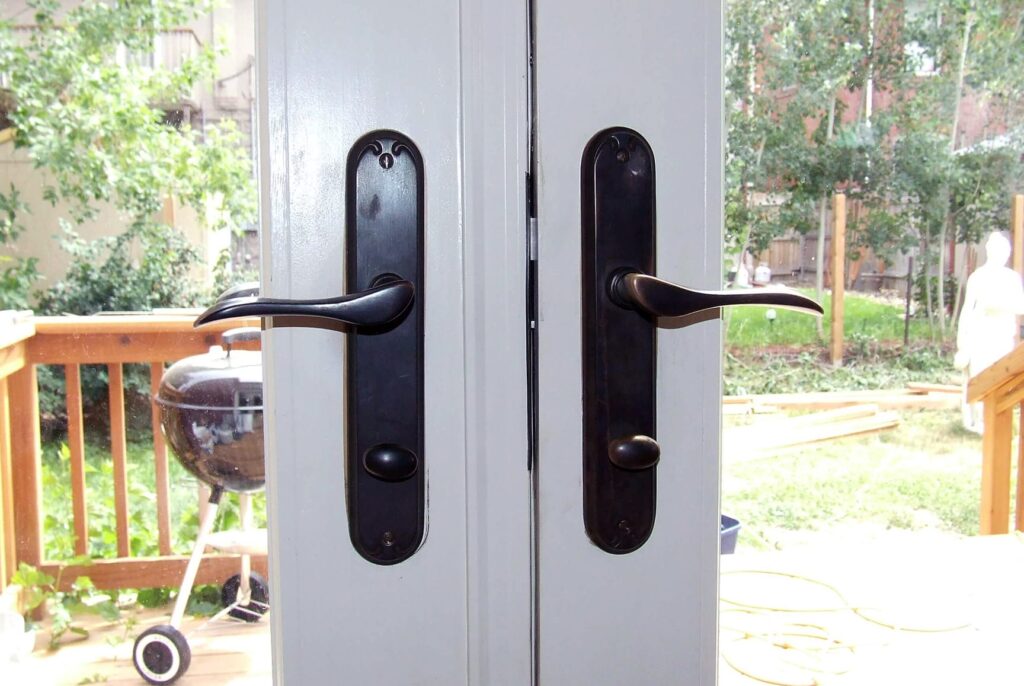
Choosing the right exterior door is more than a design decision—it affects security, energy efficiency, convenience, and even property value. Homeowners often find themselves debating between modern sliding or French-style options and more conventional hinged doors. Among these choices, lockable patio doors have become especially popular for their blend of style and functionality. But how do they really compare to traditional doors?
This article explores the strengths and weaknesses of both options to help you decide what fits your home best.
Understanding Modern Patio Door Systems
In recent years, modern exterior door designs have evolved significantly. One of the standout innovations is lockable patio doors, which combine large glass panels with advanced locking mechanisms. These doors are typically designed as sliding or bi-fold systems, allowing for wide openings that connect indoor and outdoor spaces seamlessly.
The appeal lies in their ability to maximize natural light while maintaining strong security features. Multi-point locking systems, reinforced frames, and double or triple glazing make them much more secure than older sliding designs.
Traditional doors, on the other hand, are usually solid wood, steel, or fiberglass hinged units. They open inward or outward and have been the standard choice for decades due to their simplicity and reliability.
Security Comparison: Which Is Safer?
Security is often the first concern homeowners have when choosing exterior doors.
Modern lockable patio doors are equipped with advanced locking systems that secure the door at multiple points along the frame. This makes forced entry significantly more difficult compared to older patio designs. Many also include laminated or toughened glass that resists shattering.
Traditional doors, however, are also highly secure when built with quality materials. A solid-core door with a deadbolt lock can provide excellent protection. Steel doors, in particular, are known for their strength and resistance to impact.
The key difference lies in design. While traditional doors rely on a single locking point (or sometimes two), modern patio systems distribute locking pressure across multiple points, making them harder to pry open. However, poorly installed sliding doors can still be a weak point, so professional installation is essential.
Aesthetics and Natural Light
When it comes to visual appeal, lockable patio doors often have the upper hand. Their large glass panels create a sleek, modern look that enhances both interior and exterior spaces. They also allow abundant natural light to enter the home, which can make rooms feel larger and more inviting.
Traditional doors offer a more classic and solid appearance. They are available in a wide range of designs, from rustic wooden finishes to elegant paneled styles. However, they do not provide the same level of openness or light transmission.
If your goal is to create a seamless indoor-outdoor living experience—such as opening your living room to a garden or patio—modern patio systems are typically the preferred choice.
Energy Efficiency and Insulation
Energy efficiency is another important factor in door selection.
High-quality lockable patio doors often feature double or triple glazing with insulated frames. These technologies help reduce heat loss in winter and keep interiors cooler in summer. When properly installed, they can be extremely energy efficient.
Traditional doors also perform well in insulation, especially solid wood or insulated steel models. However, they lack the expansive glass area that modern patio doors use, which can be both an advantage and a disadvantage. While solid doors reduce heat transfer effectively, they do not allow passive solar gain like glass doors do.
In colder climates, a well-insulated traditional door may slightly outperform budget patio systems. But premium modern designs are now comparable in thermal performance.
Space and Functionality
One of the biggest advantages of patio doors is space efficiency. Sliding or folding mechanisms do not require swing clearance, making them ideal for smaller rooms or areas where space is limited.
They also create a wider opening, which is perfect for entertaining guests or moving large furniture. This makes them especially popular for connecting living rooms with outdoor patios or decks.
Traditional doors require clearance to open and close, which can limit furniture placement near entryways. However, they offer straightforward operation and are less dependent on track systems or mechanical components.
Maintenance and Durability
Maintenance is an area where traditional doors often have an advantage.
Wooden or steel traditional doors require minimal upkeep beyond occasional repainting or sealing. Their simple structure means fewer moving parts that can wear out over time.
Modern lockable patio doors, while durable, include tracks, rollers, and seals that require periodic cleaning and maintenance. Dirt or debris in sliding tracks can affect performance, and seals may need replacement after years of use.
That said, high-quality models are designed for long-term durability and can last decades with proper care.
Cost Considerations
Budget is often a deciding factor for homeowners.
Traditional doors are generally more affordable upfront. Even high-end models tend to cost less than large custom patio systems. Installation is also usually simpler and less expensive.
Modern lockable doors typically come with a higher initial cost due to advanced materials, glazing, and locking systems. However, they may add more resale value to a home and improve energy efficiency, potentially offsetting long-term expenses.
Which One Should You Choose?
The choice ultimately depends on your priorities.
If you value simplicity, lower cost, and minimal maintenance, traditional doors are a reliable and proven option. They offer strong security and excellent insulation when properly built.
If you prefer modern aesthetics, natural light, and a strong connection between indoor and outdoor spaces, lockable doors are likely the better fit. They combine functionality with contemporary design and are especially suited for modern homes.
Final Verdict
There is no universal winner in the debate between patio and traditional entry systems. Both serve different needs and lifestyles. Traditional doors excel in simplicity and durability, while modern glass systems offer style, light, and space efficiency.
For many homeowners today, lockable patio doors represent the future of residential design—blending security, beauty, and practicality into one solution. However, the best choice is always the one that aligns with your home’s layout, climate, and personal preferences.