How to Prevent Bees From Nesting in Stone Walls and Pathways
Bees are essential pollinators that contribute significantly to healthy ecosystems and productive gardens. However, they sometimes establish nests in locations that create safety concerns for homeowners and visitors. Cracks, gaps, and hidden cavities inside stone walls often provide ideal shelter for different bee species. Understanding why bees choose these areas helps property owners take effective preventive measures without harming beneficial pollinators. With thoughtful planning and regular maintenance, you can reduce nesting opportunities while maintaining a beautiful outdoor space that remains safe throughout the year.
Moisture conditions surrounding pathways also play an important role. Well-drained areas discourage many insects, whereas damp spaces may support surrounding vegetation that attracts pollinators. Although flowering plants benefit local ecosystems, keeping them slightly away from walls reduces unnecessary bee activity near buildings.
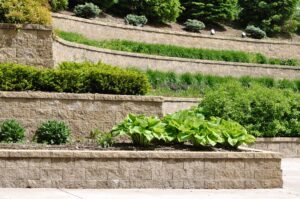
Furthermore, aging mortar naturally deteriorates over time. Small gaps appear between stones, gradually creating protected cavities perfect for nesting insects. Property owners who ignore minor structural damage often discover increasing bee activity during warmer months. Regular inspections allow homeowners to repair these openings before they become attractive shelters.
Inspecting Your Property Before Bees Arrive
Preventive maintenance always proves more effective than dealing with established nests. Begin by carefully examining exterior walls, retaining structures, patios, and decorative stone features around your property. Look closely for visible cracks, missing mortar, loose stones, or narrow openings where bees might enter.
Morning inspections often provide better visibility because sunlight highlights structural imperfections more clearly. Pay attention to areas receiving direct afternoon sunlight, since warmth attracts many bee species searching for nesting locations. Identifying vulnerable sections early allows repairs before nesting season reaches its peak.
Pathways deserve equal attention during inspections. Small gaps between paving stones may appear harmless initially, yet they gradually expand through weather exposure and ground movement. Filling these spaces prevents insects from accessing deeper cavities beneath the surface.
Observe insect activity while walking around your property. Repeated bee movement toward one location often indicates nearby nesting activity. However, avoid disturbing bees directly because defensive behavior may occur if nests already exist. Instead, monitor activity from a safe distance before deciding on appropriate action.
Landscape maintenance also supports prevention efforts. Remove unnecessary debris, stacked stones, and unused construction materials that may provide temporary shelter. Keeping outdoor spaces clean minimizes attractive hiding places while improving overall property appearance.
Regular seasonal inspections reduce long-term maintenance costs significantly. Small repairs completed early prevent extensive structural deterioration while discouraging future nesting activity.
Simple Maintenance Practices That Reduce Nesting Opportunities
Maintaining exterior masonry remains one of the most reliable methods for preventing bee nests. Repoint damaged mortar whenever cracks become noticeable. Fresh mortar seals hidden cavities and strengthens structural stability simultaneously. Professional masonry repairs also improve the appearance of aging landscapes while extending their lifespan.
Cleaning outdoor surfaces regularly removes organic material that may attract insects. Dirt accumulation inside narrow openings creates favorable conditions for nesting over time. Gentle pressure washing, when appropriate, helps expose hidden cracks requiring repair. Nevertheless, excessive water pressure should be avoided because it may damage weakened mortar joints.
Vegetation management also contributes significantly to prevention strategies. Overgrown shrubs touching exterior walls create protected pathways leading directly toward structural openings. Trim plants regularly while maintaining adequate airflow around buildings and retaining walls. Better ventilation keeps surfaces drier and less attractive for nesting insects.
Mulch placement requires careful consideration as well. Thick mulch layers placed directly against masonry may retain moisture unnecessarily. Maintaining several inches of open space between mulch and structural features improves drainage while reducing hidden nesting opportunities.
Outdoor lighting sometimes influences insect activity around homes. Warm lighting attracts various flying insects during evening hours, indirectly increasing bee activity nearby. Switching to warmer, less attractive lighting options may reduce unnecessary insect presence around entryways and patios.
Routine cleaning should include gutters and drainage systems because standing water encourages plant growth near masonry. Healthy drainage protects foundations while reducing conditions favorable for insects seeking shelter.
Landscaping Strategies That Help Protect Your Property
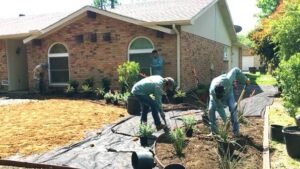
Thoughtful landscape design balances pollinator support with residential safety. Instead of removing flowering plants completely, position them farther from frequently used walkways and gathering areas. This approach encourages bees to remain within garden spaces rather than exploring nearby structures.
Native plants continue supporting local pollinator populations while directing bee activity toward designated planting beds. Creating attractive pollinator gardens away from patios helps satisfy ecological needs without increasing risks around outdoor living spaces.
Ground cover selection also matters. Dense vegetation growing against retaining structures may hide developing cracks requiring maintenance. Keeping surrounding areas neat allows easier inspections throughout the year while discouraging concealed nesting activity.
Decorative gravel offers another practical solution near vulnerable structures. Gravel improves drainage while reducing excessive plant growth around masonry surfaces. Better visibility also makes early detection of structural damage much easier.
Bird baths and water features should remain positioned thoughtfully. Bees require water sources, especially during warmer seasons. Locating these features away from entrances encourages pollinator activity within safer areas of your landscape.
Healthy trees additionally support balanced ecosystems by providing natural habitats away from residential structures. Protecting mature trees while maintaining safe distances between flowering vegetation and buildings encourages bees to establish nests within more suitable natural environments.
When Professional Assistance Becomes Necessary
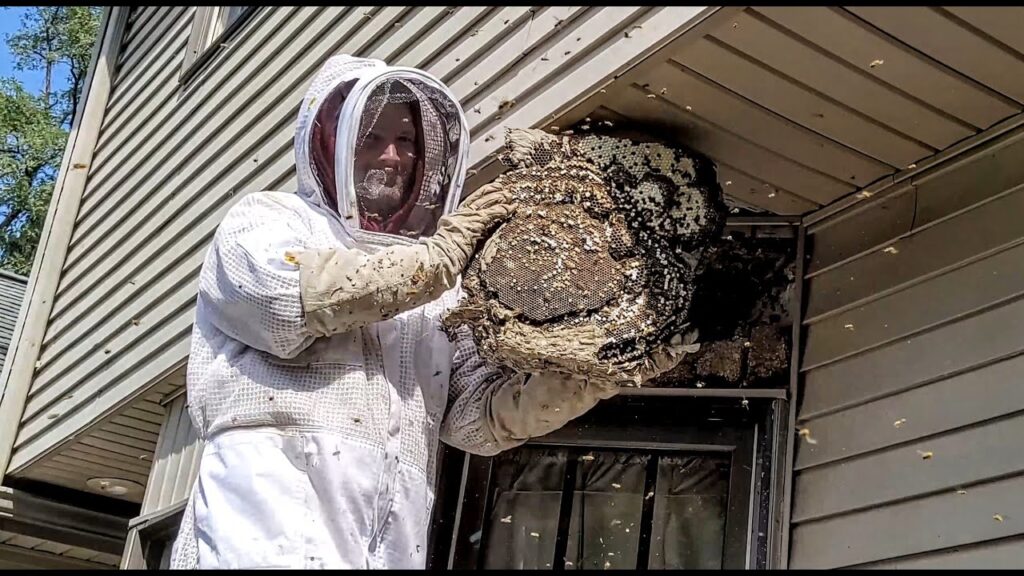
Despite careful prevention efforts, bees occasionally establish nests before homeowners recognize warning signs. Large colonies or persistent bee activity around structural openings require professional evaluation. Attempting removal without proper equipment may increase risks for both people and pollinators.
Professionals understand different bee species and determine appropriate solutions based on nesting behavior and environmental regulations. Whenever homeowners notice consistent bee traffic around masonry openings, consulting experienced specialists remains the safest decision. Many property owners seeking environmentally responsible assistance choose services such as bee removal service in Fountain Valley because trained professionals prioritize safe relocation methods whenever possible while protecting surrounding property.
Professional inspections often reveal hidden structural problems contributing to repeated nesting. Addressing underlying maintenance issues prevents future infestations while improving overall building durability. Combining expert removal with permanent repairs offers long-lasting protection against recurring bee activity.
Additionally, professionals possess specialized equipment allowing safe access to difficult locations inside retaining walls, chimneys, or elevated masonry structures. Their expertise minimizes unnecessary damage while ensuring complete nest removal whenever relocation becomes necessary.
Conclusion
Preventing bees from nesting around your property begins with understanding why these beneficial insects choose sheltered masonry spaces. Regular inspections, timely repairs, thoughtful landscaping, and consistent maintenance significantly reduce attractive nesting opportunities. Rather than reacting after colonies become established, proactive prevention protects both homeowners and valuable pollinator populations.
Well-maintained outdoor spaces remain safer, more attractive, and easier to manage throughout every season. By repairing cracks early, improving drainage, and encouraging bees toward more suitable habitats, homeowners create balanced environments benefiting both nature and everyday living. When professional assistance becomes necessary, choosing experienced specialists ensures safe, responsible solutions that protect people, property, and the important role bees continue playing within healthy ecosystems.