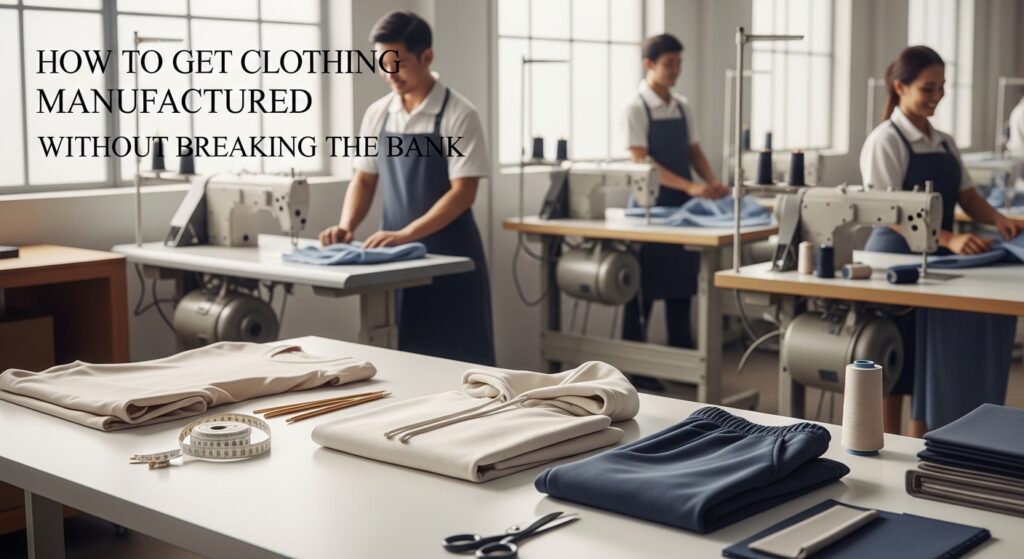
How to Get Clothing Manufactured
Starting a clothing line sounds fun until the first factory quote lands in your inbox and makes your stomach drop. One sample fee here, one fabric minimum there, one shipping bill later, and your budget starts leaking fast. That’s why learning how to get clothing manufactured the smart way matters so much. If you’re a founder, brand owner, or startup team trying to launch jackets, leather goods, or casual wear, you don’t need the cheapest path. You need the right path.
A low quote can turn into a money pit. A high quote can crush your margin before you even sell the first piece. The sweet spot sits in the middle, where quality, timing, and cost all make sense. That’s where most brands win.
At Rays Creations, we’ve seen this from both sides. Some buyers come in with strong ideas but weak costing plans. Others have cash ready but no clue how factories price apparel, leather goods, gloves, bags, and outerwear. The brands that stay steady are the ones that ask better questions, lock down the right details early, and avoid common factory traps.
This guide breaks down how to get clothing manufactured without draining your cash. It also covers sourcing in the USA and overseas from a USA-based brand view, with special attention to outerwear, leather pieces, and wholesale production.
How to Get Clothing Manufactured on a Real Budget
The best way to get clothing manufactured on a real budget is to lock your product specs first, start with low-risk sampling, compare USA and overseas options, and control every cost before bulk production begins. That keeps mistakes low, margins safer, and timelines more stable from day one.
Most brands lose money before production even starts. They change the design too often, pick costly materials too soon, approve samples too fast, or ignore hidden charges. That’s where budgets get wrecked.
If you want to learn how to get clothing manufactured the smart way, think like a buyer, not just a designer. A nice sketch is not enough. A factory needs real direction. That means fabric type, GSM, trim details, zipper quality, logo method, lining choice, packaging plan, sizing, and quantity. The clearer your tech pack and product brief, the easier it is to get clean pricing.
A factory can’t price what you haven’t defined. When details are fuzzy, quotes usually come back padded. That’s the factory protecting itself, and you end up paying for the unknown.
Why Clothing Manufacturing Gets Expensive Fast
Clothing production gets pricey for one simple reason. Every small choice costs.
A thicker denim fabric costs more than standard denim. A custom lining costs more than stock lining. Real leather costs more than synthetic. Metal trims cost more than plastic. Embroidery costs more than screen printing. Custom packaging adds another layer. Faster lead times usually cost more, too.
That’s why brands asking how to get clothing manufactured need to stop looking at just the per-piece price. The real cost sits in five areas:
Product Development
Sampling, revisions, pattern work, grading, and fit changes all cost money. If your first sample is far from final, your budget starts slipping early.
Material Sourcing
Fabric, leather, rib, buttons, snaps, labels, hangtags, lining, and zipper pulls can swing your price more than you expect.
Minimum Order Quantities
Some factories look cheap at first, but they require large runs. That ties up cash in stock you may not be able to move quickly.
Shipping and Duties
Overseas production may lower unit cost, but freight, duties, customs delays, and local delivery can eat a big chunk of those savings.
Quality Issues
Bad stitching, color mismatch, sizing problems, and weak trims can cost more after production than before it.
That’s why learning how to get clothing manufactured is really about controlling risk, not just cutting prices.
Step by Step: How to Get Clothing Manufactured Without Waste
Start with one strong product
Too many new brands try to launch ten items at once. That usually backfires. Start with one hero piece and get it right. For many labels, that means jackets, hoodies, gloves, or bags because they give a strong brand identity.
If your market likes outerwear, a bomber or denim jacket can carry your launch well. It gives more room for branding, patches, embroidery, lining details, and premium trims.
Build a clean tech pack
A tech pack is the factory’s map. If the map is messy, the result will be messy too.
Your tech pack should include measurements, stitching notes, artwork placement, fabric details, trims, colorways, label placement, and packaging notes. It doesn’t need to look fancy. It needs to be clear.
When people ask how to get clothing manufactured, this is usually the step they skip, and it costs them later.
Pick the right factory type
Not every factory fits every brand. Some work best for fashion basics. Some are strong in outerwear. Some are set up for leather goods. Some do private label. Some only work in bulk.
For jackets, gloves, wallets, and bags, choose a partner with real experience in structure, hardware, and finishing. Leather and outerwear need a different skill set than basic tees.
Sample before you scale
Never jump straight into bulk because a quote looks good. Always sample first. That gives you a real look at fit, fabric hand feel, trim quality, branding execution, and overall finish.
A sample can feel expensive, but it’s still cheaper than getting 500 wrong pieces.
Keep your first order tight
Your first production run should test demand, not test your luck. Don’t overbuy. A controlled order gives you room to learn from customer feedback, improve the next run, and protect cash flow.
Ask for the full landed cost
Always ask what your final cost looks like once the goods reach you. That means unit cost, sample charges, mold or patch charges, labels, packaging, freight, duty, and any local handling fees.
This is one of the biggest lessons in how to get clothing manufactured without breaking your bank.
USA vs Overseas: Which Manufacturing Route Makes More Sense?
USA manufacturing makes sense when you need faster communication, easier oversight, and lower shipping risk. Overseas manufacturing makes sense when you want lower unit costs, more material options, and stronger bulk pricing. The best choice depends on your order size, product type, and margin target.
A USA-based brand does not always need to choose one side only. Many smart businesses use a hybrid model.
For example, early sample development can happen closer to home, while bulk production moves overseas once the specs are locked. That can help with speed and cost at the same time.
For leather goods and jackets, overseas production often gives better value when the factory already has the right machinery, sourcing links, and labor setup. For smaller runs, domestic production can feel easier, but the price per unit may be much higher.
The trick is to compare the whole picture, not just the quote.
When brands think about how to get clothing manufactured, they should compare these points side by side:
USA Manufacturing Pros
Communication is often easier. Lead times can be shorter. Shipping is simpler. Reorders can move faster. Oversight feels more direct.
USA Manufacturing Cons
Labor cost is higher. Material sourcing may be tighter for some categories. Your unit cost can rise fast on outerwear and leather.
Overseas Manufacturing Pros
Bulk pricing is often better. Material access is wider. Many factories have stronger specialization in jackets, gloves, bags, and private label production.
Overseas Manufacturing Cons
Lead times can stretch. Communication can be slower if specs are unclear. Freight and duty must be planned carefully.
Custom Bomber Jacket Wholesale Without Killing Your Margin
A smart custom bomber jacket wholesale plan starts with pattern efficiency, standard trims, and clean branding choices. If you keep the silhouette strong and avoid too many custom add-ons, you can hold quality while keeping price in a range that still leaves room for profit.
Bomber jackets are one of the best products for brands that want a premium feel without going too far into luxury pricing. They work for streetwear, teamwear, corporate merch, startups, and seasonal collections.
The biggest cost drivers in custom bomber jacket wholesale are shell fabric, lining, rib quality, zipper grade, patch or embroidery work, and internal finishing. If you want cost control, keep your first version focused. A strong body fit, good rib, solid zipper, and one branded touch can do a lot.
Too many add-ons can sink your margin. Extra inside pockets, custom pullers, multiple patches, quilted lining, contrast panels, and special wash treatments all stack up.
For a first run, custom bomber jacket wholesale works best when the design feels clean and the sizing is tested properly. Get the fit right first. Fancy details can come later.
Custom Denim Jackets Wholesale on a Smarter Budget
If you’re planning custom denim jackets wholesale, pay close attention to denim weight, wash process, hardware, and finishing. Those four things do most of the damage to your budget when they’re not planned right.
Denim jackets can look simple, but production is full of moving parts. Heavy denim raises material and freight costs. Complex washes increase labor. Branded buttons, rivets, contrast stitching, and patchwork also raise the total.
The good news is that custom denim jackets wholesale can still be cost-friendly when you keep the body classic and choose details with care. A clean medium-weight denim, one wash, strong stitching, and subtle brand placement often work better than trying to do too much.
If your target buyer wants fashion outerwear with broad appeal, custom denim jackets wholesale gives you flexibility. You can sell them season after season, and they layer well with hoodies, tees, and casual fits.
For startups, that kind of repeat wear matters. It helps the item move longer, which protects your inventory risk.
Buy Biker Jackets Wholesale the Right Way
If you want to buy Biker jackets wholesale, focus on leather quality, fit balance, hardware strength, and factory skill with structured outerwear. Those four areas decide whether the jacket feels premium or falls flat, and they also shape your return rate, customer trust, and long-term profit.
Brands looking to buy Biker jackets wholesale often get tempted by low quotes. That’s risky. Biker jackets need structure. They need clean panel work, stable stitching, strong zippers, smooth lining, and a shape that sits right on the body.
A weak biker jacket is easy to spot. The lapels curl. The zippers feel cheap. The fit pulls at the shoulders. The leather looks flat or plastic-like. One bad batch can hurt your brand fast.
If you want to buy Biker jackets wholesale with confidence, ask the factory about leather grades, lining options, hardware source, and previous outerwear work. Ask for close-up photos of stitching, inside finishing, and edge work. Ask how they test consistency across size runs.
A biker jacket isn’t just another SKU. It’s a statement piece. When it’s done right, it can pull in high perceived value. When it’s done wrong, it becomes dead stock in a box.
Red Flags for Overseas Manufacturers
Some overseas partners are excellent. Some are not. Here are the warning signs that should make you slow down.
A factory that avoids detailed answers is a risk. A factory that changes pricing too often is a risk. A factory that gives very low quotes without reviewing specs is a risk. A factory that can’t explain sample timelines clearly is a risk, too.
Watch for these issues:
Poor communication
If they miss simple questions now, production won’t get easier later.
No clear sample process
A real manufacturer should explain the sample stage, the revision stage, and the bulk approval stage in plain words.
Unrealistic pricing
If the price looks too good to be true, it usually is. Something is being cut, and it may be quality, trim grade, or labor care.
Weak proof of past work
Ask for product photos, stitching close-ups, packaging examples, and category-specific work. Outerwear and leather need proof, not promises.
Hidden charges
Mold fees, logo setup fees, packaging fees, testing fees, and freight surprises can wreck your budget.
No quality control system
If they can’t explain inspections, measurements, and defect checks, walk away.
These red flags matter a lot when learning how to get clothing manufactured overseas.
How Rays Creations Helps Brands Keep Costs Under Control
Rays Creations works with brands that want quality apparel and leather goods without the usual chaos. That includes jackets, coats, hoodies, t-shirts, activewear, gloves, bags, wallets, belts, and branded accessories.
For businesses trying to figure out how to get clothing manufactured, the goal is not just getting a product made. The goal is getting it made in a way that supports the brand, protects the budget, and keeps quality steady.
That means clear product planning, better material choices, sensible MOQs, honest production flow, and a factory partner that understands both looks and function. Whether you need custom bomber jacket wholesale, custom denim jackets wholesale, or want to buy Biker jackets wholesale, the work has to make business sense, not just design sense.
FAQs
What’s the first thing to do when learning how to get clothing manufactured?
The first thing to do is define the product in detail before asking for quotes. That means fabric, fit, trims, branding, sizing, and quantity. A clear product brief helps factories price accurately, keeps sample errors lower, and stops you from paying for confusion later on.
Without a clear plan, every quote is just a guess. That’s where waste starts.
Is overseas manufacturing always cheaper?
Overseas manufacturing often gives lower unit prices, but it’s not always cheaper in the full picture. Freight, duties, delays, sample changes, and quality mistakes can raise the final cost. You need to compare landed cost, not just factory cost, before making a decision.
A cheap unit price can fool a lot of new brands. Look at the full chain.
Should a new brand start with jackets or simple basics?
A new brand should start with the product that best fits its audience and margin plan. Jackets can build a strong brand identity and a better selling price, while basics may be easier to reorder. The right answer depends on your niche, cash flow, and launch strategy.
For many brands, one strong outerwear piece can create better early attention than a crowded basics line.
Final Thoughts
Learning how to get clothing manufactured is really about making fewer expensive mistakes. You don’t need endless styles, giant orders, or flashy extras. You need a product that’s clear, priced right, and made by people who understand the category.
That’s true for tees, hoodies, and activewear. It’s even more true for leather goods, gloves, bags, bomber jackets, denim jackets, and biker jackets, where construction matters more.
Keep your first move simple. Build one good product. Test it. Improve it. Then scale with control.
That’s how brands grow without burning cash.