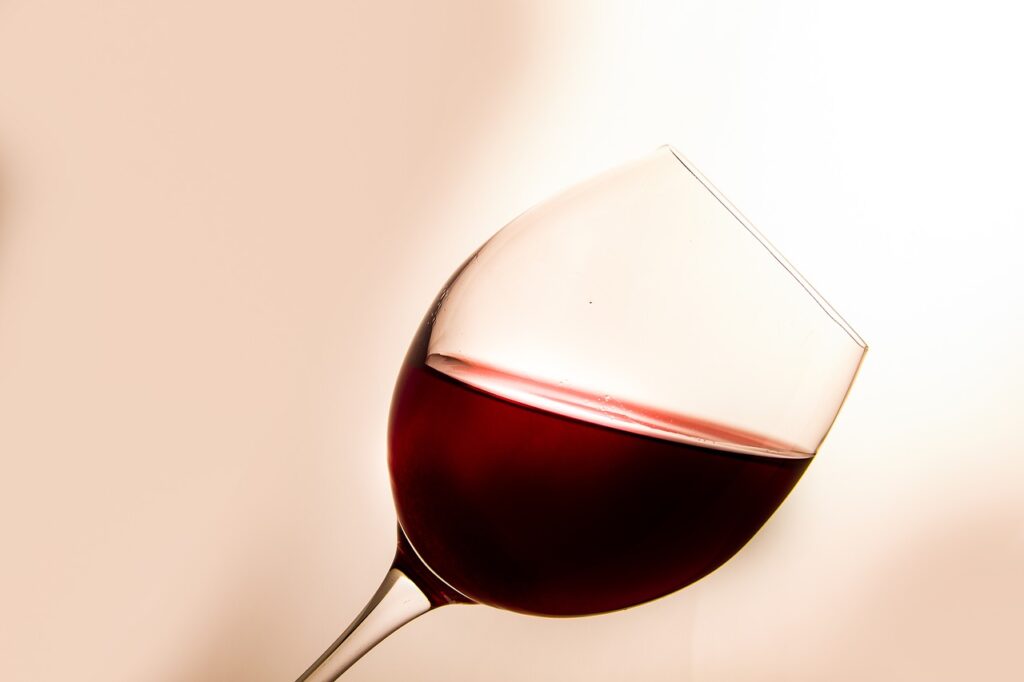
The popularity of non alcoholic red wine has grown significantly, and red wine alternatives are among the fastest-growing categories. Whether you’re avoiding alcohol for health reasons, lifestyle preferences, pregnancy, fitness goals, or simply looking to reduce consumption, finding a quality wine substitute can enhance social occasions and everyday meals without compromising on taste.
Choosing the right option can be challenging because the market now offers dozens of brands, grape varieties, and production methods. Understanding what to look for can help you select a bottle that delivers a satisfying experience while meeting your personal preferences.
Understand How It Is Made
One of the most important factors when selecting a wine alternative is understanding the production process. Most products begin as traditional wine made from fermented grapes. The alcohol is then removed through specialized techniques such as vacuum distillation or reverse osmosis.
These methods aim to preserve the non alcoholic red wine flavor and structure while eliminating most or all of the alcohol content. Higher-quality brands typically use advanced technology that retains more of the original character of the grapes. Checking product descriptions and manufacturer information can provide insight into the production method used.
Pay Attention to Grape Varieties
Just like traditional wines, alcohol-free versions are made from different grape varieties, each offering unique flavor profiles. Popular red grapes include Cabernet Sauvignon, Merlot, Shiraz, Pinot Noir, and Tempranillo.
Cabernet Sauvignon often delivers bold flavors with notes of blackcurrant and oak. Merlot tends to be softer and fruitier, while Pinot Noir is generally lighter with red berry characteristics. Understanding your favorite grape varieties can make it easier to find a product that matches your taste expectations.
Evaluate Flavor Profiles
Flavor is one of the most important considerations when choosing a bottle. Some products focus on replicating the complexity of traditional wine, while others emphasize fruit-forward sweetness.
Look for tasting notes on the label or product page. Common descriptors include blackberry, cherry, plum, vanilla, spice, chocolate, and oak. If you enjoy dry wines, seek options specifically labeled as dry or medium-dry. Those who prefer sweeter beverages may appreciate fruitier blends.
Reading customer reviews can also provide valuable information about how accurately a product delivers its advertised flavor profile.
Consider Sugar Content
Many non alcoholic red wine contain more residual sugar than traditional wines. Manufacturers often add sweetness to compensate for the body and mouthfeel typically provided by alcohol.
If you’re monitoring your sugar intake, review the nutritional information carefully. Some premium brands offer low-sugar or reduced-calorie options that maintain balance without excessive sweetness. Choosing products with moderate sugar levels can result in a more authentic wine-like experience.
Check Alcohol Levels
Although many products are marketed as alcohol-free, regulations vary by country. Some bottles may contain trace amounts of alcohol, often less than 0.5% ABV.
For most consumers, these levels are considered negligible. However, individuals with specific medical, religious, or personal requirements may wish to choose beverages labeled as 0.0% alcohol. Always read labels carefully to ensure the product aligns with your expectations.
Research Brand Reputation
The reputation of a producer often reflects the quality of its products. Established wineries and specialized non alcoholic red wine companies frequently invest more resources into flavor development and production techniques.
Look for brands with positive customer feedback, industry recognition, and transparent information about sourcing and manufacturing. Wine competitions and beverage awards can also serve as useful indicators of quality.
A trusted producer is more likely to deliver consistency from one bottle to the next.
Match the Wine to the Occasion
Different situations call for different styles of wine. A rich and full-bodied option may pair beautifully with a steak dinner, while a lighter style might be ideal for casual gatherings or outdoor meals.
Consider how and when you plan to enjoy the beverage. If you’re serving guests, choose versatile varieties that appeal to a wide range of tastes. For personal enjoyment, focus on styles that complement your favorite foods and drinking preferences.
Selecting the appropriate bottle for the occasion can significantly improve the overall experience.
Explore Food Pairing Possibilities
Food pairing remains just as important with alcohol-free alternatives as it is with traditional wine. The right match can enhance both the beverage and the meal.
Full-bodied options pair well with grilled meats, roasted vegetables, and hearty pasta dishes. Lighter styles complement poultry, mushrooms, and soft cheeses. Fruity blends often work nicely with spicy foods and barbecue dishes.
Experimenting with pairings can help you discover combinations that elevate flavors and create a more enjoyable dining experience.
Read Reviews and Expert Recommendations
Online reviews provide valuable insights from consumers who have already tried a product. Pay attention to comments about aroma, sweetness, body, and aftertaste.
Professional beverage reviewers can also offer detailed evaluations. Their expertise often highlights subtle qualities that may not be immediately apparent from product descriptions alone.
Comparing multiple sources of feedback can help you make a more informed purchasing decision.
Start with Smaller Purchases
If you’re new to this category, avoid buying large quantities of a single product right away. Taste preferences vary widely, and what appeals to one person may not appeal to another.
Start with a few different bottles from reputable producers. Sampling various styles allows you to identify your preferred grape varieties, sweetness levels, and flavor characteristics without making a major investment.
Over time, you’ll develop a clearer understanding of what suits your palate best.
Balance Quality and Price
Price does not always guarantee excellence, but extremely inexpensive products may lack complexity and depth. Higher-quality options often involve more sophisticated production methods, better grapes, and greater attention to detail.
Consider your budget while keeping realistic expectations about quality. Many mid-range products offer an excellent balance between affordability and flavor, making them ideal for regular enjoyment.
Final Thoughts
Choosing the best non alcoholic red wine requires attention to several key factors, including grape variety, sweetness, production methods, alcohol content, and food compatibility. By understanding these elements and exploring different brands, consumers can find options that closely replicate the enjoyment of traditional wine while supporting an alcohol-free lifestyle.
As the market continues to expand, quality and variety are improving every year. Taking the time to research and experiment with different styles will help you discover a beverage that suits your preferences and enhances your dining and social experiences. Whether you’re a seasoned wine enthusiast or simply exploring alcohol-free alternatives, there is likely a perfect bottle waiting to be enjoyed.