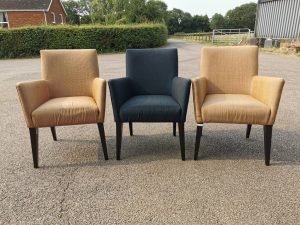
A business can invest in stylish interiors, modern desks and impressive meeting rooms, yet still leave visitors with an uncomfortable experience because of one overlooked detail: the seating. When clients arrive for an important discussion, candidates attend interviews or suppliers wait for appointments, the condition and comfort of the chairs can influence how they feel about the workplace.
Choosing suitable visitor chairs is not simply a matter of matching colours or filling empty space. It is about creating an environment that reflects your business standards, supports professional conversations and makes people feel welcome.
When Office Appearance and Guest Comfort Don’t Match
Imagine welcoming a potential client into a beautifully organised office, only for them to sit on a chair that feels unstable, has worn upholstery or offers little support. The rest of the room may look impressive, but the seating can distract from the professional atmosphere you have worked hard to create.
Small details can shape the overall visitor experience. Comfortable, well-maintained seating helps people settle in, concentrate on conversations and feel that their presence matters.
Before choosing seating, consider:
- Whether the chair provides suitable support for the expected length of a visit.
- If the frame, legs and fittings are stable and secure.
- Whether the upholstery is clean and presentable.
- If the design complements the rest of your office interior.
- Whether there is enough room for visitors to sit and move comfortably.
These checks help businesses avoid a mismatch between their professional image and the experience they provide.

Poor Seating Can Disrupt Important Business Meetings
Not every visitor spends just a few minutes at reception. Some attend lengthy consultations, recruitment interviews, presentations or project discussions. Seating that is uncomfortable or unsuitable can become a distraction when people should be concentrating on the conversation.
For example, a client meeting may involve reviewing documents, discussing prices and agreeing on important decisions. If visitors are constantly adjusting their position because their chairs offer inadequate support, the meeting environment becomes less comfortable.
Choosing appropriate seating helps create a more practical space for professional interactions. Consider the purpose of each room before purchasing chairs, especially where visitors regularly attend longer meetings.
The Hidden Cost of Choosing Furniture on Appearance Alone
An attractive chair may look suitable in a product photograph, but appearance alone does not tell you whether it will meet your business requirements. Similarly, choosing the cheapest option without checking its condition could lead to avoidable maintenance or replacement expenses.
A more considered purchasing decision looks at the balance between price, durability, comfort and everyday use.
Before committing your budget, check these details:
- Build quality: Examine the frame, joints, legs and overall stability.
- Condition: Look for damage, loose fittings, stains or excessive wear.
- Practicality: Make sure the chair suits the space and its intended use.
- Maintenance: Consider how easily the material can be cleaned.
- Value: Compare the product’s condition and features with its asking price.
These factors are particularly important when furnishing several rooms or purchasing seating for a busy reception area.
Match the Seating to the Way Your Business Operates
Different workplaces have different seating requirements. A small consultancy may need a few comfortable chairs for occasional appointments, while a larger organisation may require seating for reception areas, meeting rooms and training spaces.
The right choice depends on how visitors use each area.
For example, visitor chairs with a compact design can help keep smaller reception spaces organised. More supportive seating may be appropriate for rooms where clients attend extended consultations. In informal breakout areas, used office stools can provide an alternative for quick discussions or collaborative working, provided the height and design suit the intended use.
Consider the following when planning your office seating:
- Reception areas need seating that welcomes guests without obstructing walkways.
- Meeting rooms benefit from chairs that support comfortable discussions.
- Interview rooms should provide a professional and practical setting.
- Breakout spaces may suit more flexible seating arrangements.
- Smaller offices need furniture that makes efficient use of available floor space.
Planning by function helps prevent unnecessary purchases and ensures each area serves its purpose.

Protect Your Professional Image Without Overspending
Maintaining a professional workplace does not always require purchasing every item brand new. Well-selected second-hand seating can offer practical value, particularly when businesses need to furnish multiple areas or update tired interiors.
However, buying pre-owned furniture requires careful inspection. Check the actual condition, test stability where possible and review product details before ordering. Make sure the chairs are suitable for regular use rather than choosing them simply because the price seems attractive.
A sensible approach is to prioritise seating that is structurally sound, presentable and appropriate for the people who will use it. This allows you to manage expenditure while maintaining reasonable standards throughout your workplace.
Turn a Small Furniture Decision into a Better Visitor Experience
Visitor seating may seem like a minor purchasing decision, but it contributes to the wider experience your business provides. Uncomfortable or poorly maintained chairs can distract guests, weaken the appearance of an otherwise organised office and create avoidable frustration.
By considering comfort, condition, room layout and intended use before buying, businesses can make better furniture decisions and use their budgets more effectively.
The goal is not to choose the most expensive chairs or follow the latest interior trend. It is to select seating that supports your daily operations and makes visitors feel comfortable from the moment they arrive. When even the smallest details reflect care and professionalism, your workplace becomes better equipped to welcome clients, partners and future employees.