How Regular Brake Repair & Replacement Helps Maintain Your Vehicle?
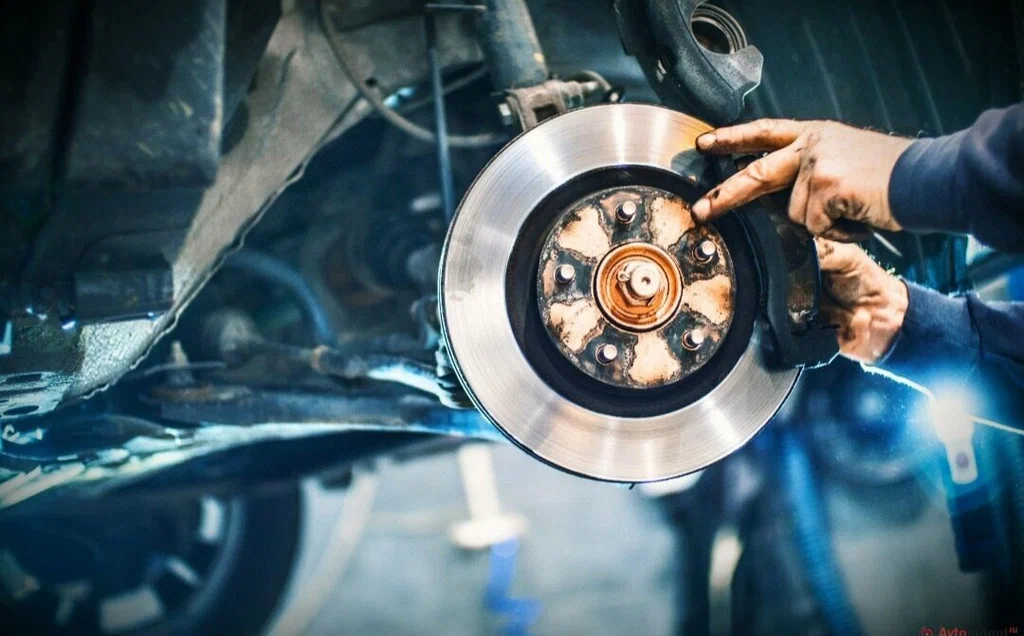
Brake Repair & Replacement
Your vehicle’s braking system is one of its most important safety systems. Every time you slow down, stop at an intersection, or respond to unexpected traffic, your brakes need to work properly. Over time, brake pads, rotors, calipers, and other components can wear because of regular driving, heat, friction, and road conditions. Regular maintenance can help identify worn components before they affect braking performance.
Scheduling professional Brake Repair & Replacement when needed can help maintain reliable stopping performance and prevent minor brake issues from developing into more expensive repairs. Routine inspections also allow technicians to evaluate the condition of the complete braking system and recommend appropriate service based on the vehicle’s condition.
Why Regular Brake Maintenance Matters
Brakes experience significant friction every time the vehicle slows down. Brake pads gradually become thinner, while rotors can develop wear from repeated contact with the pads. Other components may also become damaged or contaminated over time.
Regular auto brake repair helps identify these issues before they become more serious. During a brake inspection, a technician may examine the brake pads, rotors, calipers, brake lines, fluid, and related components.
Maintaining these parts can help your vehicle deliver consistent braking performance during everyday driving and different road conditions.
Signs Your Vehicle May Need Brake Repair
Knowing the common warning signs of brake problems can help you schedule service at the right time. One of the most noticeable signs is a squealing or grinding noise when applying the brakes. A squealing sound may indicate worn brake pads, while grinding can indicate that braking components require immediate inspection.
Other warning signs may include:
- A brake pedal that feels soft or spongy
- Increased stopping distance
- Vehicle pulling to one side while braking
- Vibrations through the steering wheel or brake pedal
- Brake warning light appearing on the dashboard
- Unusual noises during braking
- Visible wear on brake components
If you notice any of these symptoms, scheduling an inspection with an experienced brakes repair shop can help determine the cause.
Brake Pads Require Regular Attention
Brake pads are designed to wear down gradually as they create friction against the rotors. Because they are wear components, they eventually require replacement.
Brake pad replacement services can restore the appropriate contact between the pads and rotors when the pads have reached their service limit. Continuing to drive with severely worn brake pads can allow the backing plate to contact the rotor, potentially causing additional damage.
The replacement interval depends on several factors, including driving habits, traffic conditions, vehicle type, brake design, and the quality of the brake components. Instead of relying only on mileage, drivers should have their brake pads inspected regularly.
When Brakes Replacement May Be Necessary
Brake components do not all wear at the same rate. Brake pads may require replacement before rotors, while rotors may eventually need resurfacing or replacement depending on their condition.
During brakes replacement, technicians can inspect the braking system and determine which components require attention. If rotors are excessively worn, damaged, warped, or below the manufacturer’s minimum thickness, replacement may be recommended.
Properly maintaining the complete braking system can help prevent one worn component from placing additional stress on other parts.
How Brake Service Supports Vehicle Performance
Brakes are primarily associated with safety, but their condition can also affect the overall driving experience. Uneven brake wear may cause vibrations, pulling, or inconsistent braking. A sticking caliper can also cause excessive heat and premature wear.
Professional brake service and repair allows technicians to identify these issues and address them before they contribute to additional component wear.
A properly maintained braking system can provide smoother braking and more predictable pedal response during normal driving.
The Importance of Professional Brake Inspection
A professional inspection involves more than simply checking brake pad thickness. Technicians can examine the condition of the rotors, calipers, brake lines, hardware, and other related components.
An automobile brake repair professional can also look for uneven wear patterns that may indicate another underlying problem. For example, uneven pad wear can sometimes be associated with caliper or hardware issues.
Identifying the cause of abnormal wear is important because simply replacing the worn component may not resolve the underlying problem.
Brake Fluid and Hydraulic Components
Many modern vehicles use hydraulic brake systems that rely on brake fluid to transfer pressure from the brake pedal to the braking components. Brake fluid can absorb moisture over time, which may affect the performance of the braking system.
During routine maintenance, technicians can check the brake fluid condition and inspect the hydraulic system for leaks or other concerns.
Brake fluid service should follow the vehicle manufacturer’s maintenance recommendations. Keeping the hydraulic system properly maintained supports consistent brake operation.
Regular Service Can Help Prevent Larger Repairs
Ignoring early brake problems can sometimes result in additional damage. For example, driving with severely worn brake pads may damage the rotors. A sticking caliper can generate excessive heat and accelerate wear on other components.
Scheduling affordable brake repair services when problems are identified can help address issues before they develop into more extensive repairs.
Preventive maintenance does not eliminate the possibility of unexpected brake problems, but regular inspections can help identify wear earlier and provide drivers with an opportunity to address it.
Driving Conditions Affect Brake Wear
Brake wear varies according to how and where a vehicle is driven. Frequent stop-and-go traffic can cause more brake use than steady highway driving. Driving in hilly areas may also require more frequent braking.
Heavy vehicles, towing, frequent short trips, and certain driving habits can further affect brake component wear.
Because every vehicle and driving situation is different, there is no single replacement interval that applies to every car. Regular inspections and manufacturer recommendations provide a better basis for determining when service is needed.
Choosing the Right Brake Repair Service
When your vehicle needs brake maintenance, choose a qualified automotive service provider that can inspect the entire braking system. A professional technician should explain the condition of the components and identify which repairs or replacements are necessary.
A reliable provider offering brake repair and replacement services can inspect brake pads, rotors, calipers, hardware, fluid, and related components as appropriate for the vehicle.
It is also helpful to ask about the recommended parts and understand why replacement is necessary. This allows you to make informed decisions about your vehicle’s maintenance.
Brake Repair and Replacement for Long-Term Vehicle Care
Regular Brake Repair & Replacement is an important part of maintaining a dependable vehicle. Brake pads, rotors, calipers, fluid, and other components all contribute to proper braking performance, and each can require attention at different points during the vehicle’s life.
Routine inspections can help identify worn components, unusual wear patterns, leaks, and other concerns. Addressing these issues at the appropriate time can help maintain smooth braking and reduce the chance of more extensive component damage.
Whether you need automotive brake repair, brake pad replacement, rotor service, or a complete brake inspection, professional maintenance can help keep your braking system in suitable operating condition.
Schedule Your Brake Service
Don’t wait for a serious braking problem before having your vehicle inspected. Unusual noises, vibrations, pulling, a soft pedal, or increased stopping distance can indicate that your braking system needs attention.
Regular brake repair and replacement helps maintain the components responsible for safe and consistent stopping. Following the manufacturer’s maintenance recommendations and scheduling professional inspections can help you identify wear early and keep your vehicle ready for everyday driving.
If your brakes are showing signs of wear, arrange a professional inspection. Timely brake repair & replacement can help maintain braking performance, protect related components, and support dependable vehicle maintenance over the long term.