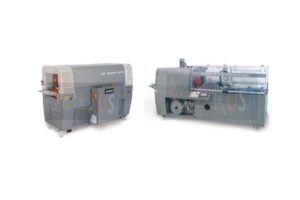
Modern packaging operations are under constant pressure to deliver faster output, consistent quality, and reduced operational costs. In this environment, automation has become a core requirement rather than an optional upgrade. A shrinker machine plays an important role in achieving these goals by ensuring products are securely wrapped, protected, and visually uniform for distribution. At the same time, evolving packaging systems such as a side sealing machine have further improved how shrink wrap packaging lines operate, especially in high-volume industries where speed and precision are critical. This shift toward automation also helps businesses maintain stable production even during peak demand periods. It further enhances operational control by reducing variability and improving overall packaging accuracy.
What Is a Shrinker Machine?
A shrinker machine is a packaging system designed to apply shrink film around a product and then use controlled heat to tighten the film securely. The result is a sealed, tamper-resistant package that conforms tightly to the product’s shape. These machines are commonly used in industries such as food, beverage, electronics, and consumer goods because they provide both protection and presentation benefits. Shrink wrapping helps prevent dust, moisture, and handling damage while maintaining a clean and professional appearance. In most systems, shrink machines work alongside sealing equipment and heat tunnels to complete the full packaging cycle efficiently.
How Shrink Wrap Packaging Systems Work
The process of shrink wrap packaging typically begins with placing the product into a film. The film is then sealed and passed through a heat zone where it contracts tightly around the product. This process ensures uniform coverage and improves product stability during transport. Automated systems reduce manual handling, which leads to fewer errors and more consistent output across large production runs. In modern production lines, shrink wrapping is often fully integrated with conveyor systems, allowing continuous operation without interruptions.
Advantages of Automation in Shrink Packaging
One of the most significant benefits of using a shrinker machine combined with an automatic side sealing system is increased productivity. Automated systems can handle continuous packaging cycles, reducing dependency on manual labor and improving output consistency. Another advantage is improved seal quality. Automated sealing ensures uniform heat application and consistent pressure, which reduces the risk of weak seals or packaging defects. This is especially important in industries where product protection and presentation directly affect customer perception. Automation also helps reduce material waste. Controlled film usage and precise cutting mechanisms ensure that shrink wrap packaging is used efficiently, lowering overall operational costs over time.
Industrial Applications and Use Cases
A shrinker machine is widely used across multiple industries. In logistics and warehousing, it helps bundle products securely for transport. In retail packaging, it provides a clean and attractive finish that improves shelf appeal. In the food and beverage industries, shrink wrap packaging ensures hygiene and product safety by sealing items tightly and preventing contamination. Electronics manufacturers also rely on these systems to protect sensitive components from dust and moisture during storage and shipping. The flexibility of these machines allows them to adapt to both small and large-scale production environments.
Conclusion
As packaging demands continue to grow, automation has become essential for maintaining efficiency and consistency in production environments. Additionally, an automatic side sealing machine provides a powerful solution for modern shrink wrap packaging needs, ensuring speed, reliability, and high-quality results across industries. This combination also helps reduce manual intervention, allowing production lines to operate more smoothly and consistently. Over time, it supports better resource utilization while maintaining steady output quality in high-demand packaging environments.