Ports and river terminals play an important role in moving goods, supporting industries, and connecting businesses to domestic and international markets. From agricultural products and construction materials to industrial equipment, waterways provide an important transportation route for large volumes of cargo. However, managing these facilities requires careful planning, reliable infrastructure, and efficient material-handling systems.
This is where river engineering services become valuable. Proper engineering helps businesses develop functional waterfront facilities, improve cargo operations, and address the technical challenges associated with marine environments. Whether planning a new terminal or upgrading an existing port, an integrated engineering approach can make a significant difference in long-term facility performance.
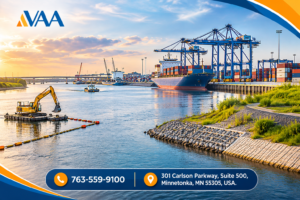
Why Is River Terminal Engineering Important?
River terminals operate in environments where water levels, weather conditions, soil characteristics, and vessel requirements can influence project design. Every waterfront development has its own challenges, making detailed engineering and site-specific planning essential.
A well-planned terminal considers more than the construction of docks or loading areas. It also involves transportation access, cargo movement, equipment positioning, environmental requirements, and operational safety.
Professional engineering support helps project owners evaluate these factors before construction begins. This approach can reduce design conflicts, support better coordination, and create facilities that meet operational requirements.
Key Elements of Successful Port and River Terminal Design
1. Waterfront Layout and Transload Processes
An efficient waterfront layout helps organize the movement of materials between vessels, storage areas, and transportation systems. Transload processes must be designed around the type of cargo, equipment requirements, available space, and expected operating capacity.
Proper planning can help minimize unnecessary material movement and improve coordination between different facility operations. Engineers evaluate the available waterfront area and develop practical layouts that support loading and unloading activities.
2. Wharves, Bulkheads, and Floating Docks
Waterfront structures are essential components of port infrastructure. Wharves, bulkheads, and floating docks must be designed to accommodate site conditions and operational demands.
Engineering considerations may include structural requirements, water-level variations, loading conditions, and long-term durability. Existing waterfront structures may also require evaluation and upgrades to support changing business needs.
Careful structural planning helps project teams select suitable solutions for the specific conditions of each location.
3. Berthing and Mooring Design
Vessels need appropriate space and secure arrangements when approaching, docking, and remaining at a terminal. Berthing and mooring studies help determine how vessels can safely interact with waterfront infrastructure.
For deep-draft terminals, engineers must consider vessel dimensions, water depth, operating conditions, and mooring requirements. These studies support practical terminal layouts and help identify potential operational challenges before implementation.
4. Barge Arrangements and Cargo Operations
Barges are widely used for transporting bulk materials through inland waterways. Their arrangement and loading or unloading processes can influence the overall efficiency of a terminal.
Engineering teams evaluate barge positioning, cargo-handling requirements, equipment placement, and operational sequences. A coordinated design can help improve material flow and make better use of available waterfront space.
How Do Environmental and Permitting Requirements Affect Projects?
Waterfront construction requires careful consideration of environmental conditions and applicable permitting requirements. Activities near rivers and other waterways may involve regulatory reviews, environmental assessments, and specific construction restrictions.
Identifying permitting thresholds early can help project owners understand the approvals that may be necessary. It also allows engineering teams to consider environmental requirements during the planning and design stages rather than addressing them at the last minute.
Early coordination between project stakeholders, engineers, and relevant authorities can support a more organized development process.
Benefits of Working With Experienced Engineering Professionals
Choosing experienced engineering professionals can help businesses manage the technical and operational demands of port development.
Some important benefits include:
- Better project planning: Integrated engineering helps identify project requirements and potential challenges early.
- Improved coordination: Collaboration between design teams, vendors, and construction professionals supports smoother project execution.
- Functional infrastructure: Site-specific design considers actual operating conditions and facility requirements.
- Operational efficiency: Well-planned layouts support organized loading, unloading, and material transportation.
- Long-term planning: Engineering evaluations help businesses consider future facility improvements and expansion needs.
An integrated approach from initial planning through construction support also helps project teams make informed decisions throughout the development process.
What Should Businesses Consider Before Starting a Port Project?
Before beginning a port or river terminal development, businesses should evaluate several important factors.
First, understand the type and volume of materials that will move through the facility. Next, assess the available waterfront area, existing infrastructure, transportation connections, and equipment requirements.
It is also important to evaluate environmental considerations, permitting requirements, vessel access, and future operational needs.
Bringing engineering professionals into the early planning stages can help connect these requirements into a practical project strategy. Vendor coordination and construction support are equally important for maintaining consistency between the original design and the final facility.
Frequently Asked Questions
1. What Are River Engineering Services?
They involve engineering and planning solutions for riverfront infrastructure, port facilities, waterfront structures, cargo-handling systems, and terminal operations.
2. Why Is Port and River Terminal Design Important?
Proper design helps businesses organize cargo movement, plan waterfront infrastructure, address vessel requirements, and develop facilities suited to their operational needs.
3. What Structures Are Commonly Included in River Terminal Projects?
Common structures include wharves, bulkheads, floating docks, loading facilities, and supporting waterfront infrastructure. The exact requirements depend on site conditions and terminal operations.
4. When Should Businesses Hire a Port Engineering Consultant?
Businesses should consider engineering support during the initial planning stage of a new terminal, waterfront expansion, infrastructure upgrade, or operational improvement project.