When a consumer spots a product on a store shelf, the packaging is the first aspect that grabs their attention. Packaging is just like a silent salesperson. A product that is well-designed can stop a customer in their tracks and make them take a closer look. Colors, labels, and shapes can help consumers to differentiate one brand from another on the shelf. Bad packaging can make people think the contents must be bad too, even when the product inside is good. So much of food branding is about taste and ingredients that food companies forget that packaging is the face of trust. Packaging can communicate freshness and safety without using any words. For a small company or a startup, the first impression can be the difference between your product being picked up or left on the shelf.
Why Does Storytelling Matter in Food Packaging?
Customers connect with brands when they understand the story behind the product. Storytelling through packaging can show brand history, the origin of ingredients, or how a product is made. A jar of jam with a note about family recipes feels personal. Adding small details like a short note on a package can make customers feel connected. This approach builds loyalty because people remember the story and taste. Some brands use limited edition packaging to show seasonal stories. A story makes a product remembered and encourages sharing on social media. Sharing spreads the brand without extra cost, helping small businesses grow.
How Can Material Choice Affect Brand Perception?
The type of packaging material can influence the perception of a brand by its consumers. An exceptional quality, environmentally friendly package signals the company is concerned about quality and the environment. Poor packaging can make a product seem cheap and nasty. Boxes made from recycled material are a sign of our concern for the environment. Clear packaging enables customers to view the product and helps them to gain trust. Brands play with fabrics and finishes to influence how secure a product feels. Materials could tell values of the brand without extra. Packaging that lasts and protects the product makes you feel more confident. Incorporating material that promotes sustainability also appeals to consumers who are passionate about the environment and helps to keep the brand well-regarded within the industry.
What Role Do Colors Play in Food Packaging?
Colors on packaging carry meaning. Red and yellow attract attention and can increase appetite, while green shows health. Blue can show calm and trust. Choosing colors for food products can affect how customers feel. A snack bar may use earthy tones to show natural ingredients. Bright colors can make products stand out but should match the brand. Using the same colors across products helps customers recognize brands over time. Color can guide buyers toward product type without words. Consistency in colors builds memory and supports customer recognition on shelf or online.
Can Packaging Design Improve Customer Loyalty?
Packaging that is easy to use can encourage customers to buy again. Designs that open simply or have resealable bags make customers appreciate the product. When packaging keeps food fresh, customers remember the brand positively. Reusable packaging can also increase loyalty. Customers may keep jars or boxes to use again, keeping the brand visible. Personalised food packaging helps brands stand out and create identity. Thoughtful packaging shows the brand cares about customer experience. For startups, choices in design help create connections with buyers. Customers often share products with good design, and repeated use strengthens brand relationships. Simple packaging choices can improve repeat purchases and trust.
How Do Labels Build Trust With Consumers?
Clear and honest labels are important for any food brand. Customers want to know what they are buying, including ingredients and expiration dates. Misleading labels harm brands. Labels showing sourcing or allergens appear more trustworthy. Even for healthy products, showing benefits on packaging reassures customers. Clear labels show respect for buyers and keep them informed. Labels can also include tips for using products, which adds value and strengthens trust. Customers often return to brands that provide clear information. Detailed labeling makes buying easier and builds a long-term connection between the brand and customer.
Can Packaging Affect Online Sales?
Online shopping depends on visuals. Packaging is important because customers cannot touch products. Images of packaging can make products appear more desirable. Customers are more likely to share products with interesting packaging on social media. Secure packaging is needed for online orders. Products arriving damaged get bad reviews, while safe packaging increases customer satisfaction. Packaging has become a tool for online marketing and building reputation. Good packaging shows professionalism and encourages trust. Consistent presentation of the product online ensures customers understand quality and value before purchase, increasing confidence in the brand.
How Do Boxes Help With Brand Presentation?
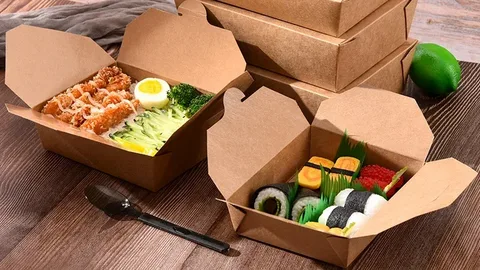
Custom boxes are part of how products are presented.Shape, size, and design can make a product feel reliable or weak. Custom boxes with colors, logos, and themes create consistency. The inside of the box can leave a positive impression. Some brands add notes or instructions inside to show care. Food boxes provide space to share information about products. Good boxes show attention to detail and strengthen trust in the brand. Customers often notice the presentation before trying the product. Thoughtful use of boxes can encourage repeat purchase. Presentation in boxes shows the brand respects customers and cares about quality.
Why Should Startups Consider Professional Packaging Companies?
For startups, professional packaging can make a difference. Companies like Packlim offer custom packaging that matches brand identity. Using professional services ensures packaging is safe and reliable. Startups can focus on product while packaging experts handle design, material, and printing. That allows smaller brands to compete with bigger companies. Custom packaging allows you to create a professional appearance for your business that builds customer faith and encourages them to buy the product again. That’s what startups get from experts. Professional packaging allows the product to be delivered to the consumer in a manner that not only enhances the perception of the product but also motivates the consumer to share it. Good design increases brand recognition.
How Can Packaging Adapt to Local Markets Like Canada?
Every market has rules and habits. In Canada, customers like packaging that shows care for the environment and provides information. Brands adjust packaging to match local taste, rules, and habits. Packaging highlighting local ingredients or culture connects with Canadian customers. Small changes, like bilingual labels or seasonal designs, make products more accepted. Brands adapting to local expectations show respect for customers and increase chances of repeat purchases. Local adjustment creates connections that generic packaging cannot. Regional adaptation supports brand reputation and helps products reach more customers in competitive markets.