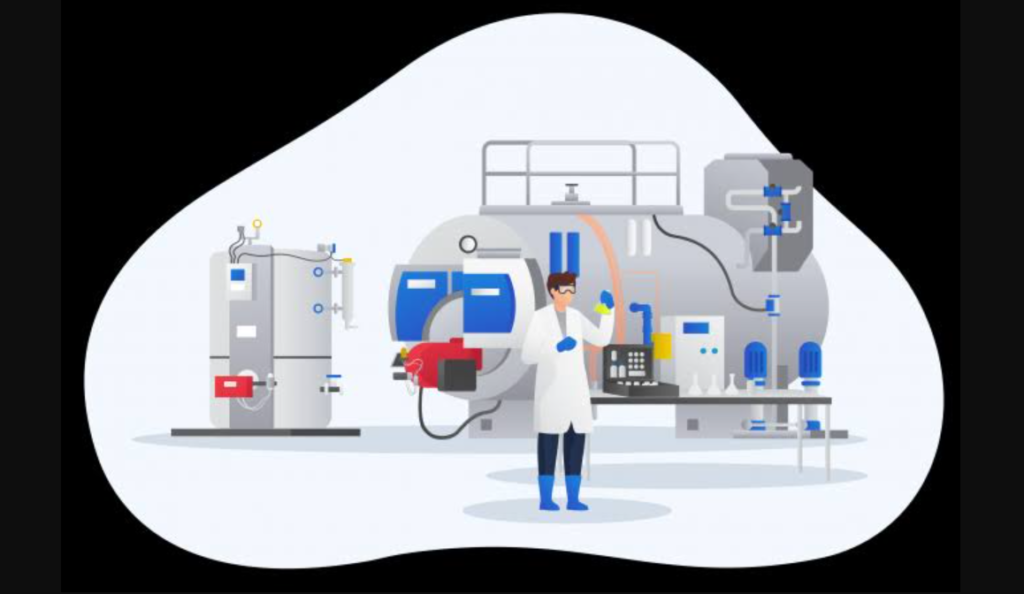
steam boiler feed water system
Two identical boilers can have very different lifespans depending entirely on the quality of the feedwater running through them. This often-overlooked factor deserves as much attention as the boiler equipment itself.
What Poor Feedwater Quality Actually Does
Dissolved minerals in untreated feedwater form scale deposits on internal boiler surfaces over time, which is exactly what a properly designed steam boiler feed water system is built to prevent. This scale acts as an insulating layer, forcing the boiler to work harder and burn more fuel to reach the same output.
The Efficiency Cost of Scale Buildup
Boiler efficiency can improve by roughly 1% for every 40-degree reduction in flue gas temperature, according to Department of Energy research. Scale buildup works directly against this kind of efficiency gain by trapping heat that should transfer into the water.
Corrosion as a Separate but Related Risk
Dissolved oxygen and improper pH levels in feedwater contribute to internal corrosion, weakening boiler components over time. This kind of damage often goes unnoticed until a failure occurs.
How Feed Systems Help Manage This
A properly designed feedwater system supports consistent water treatment and returns clean condensate rather than introducing untreated makeup water unnecessarily. Maximizing condensate return reduces both treatment costs and the volume of fresh water needing full treatment.
Practical Steps for Protecting Feedwater Quality
- Regular water testing to catch chemistry issues before they cause damage.
- Maximizing condensate return to reduce reliance on treated makeup water.
- Routine inspection for early signs of scale or corrosion.
Common Water Treatment Methods
Softening removes hardness minerals before they ever reach the boiler, while deaeration strips dissolved oxygen that would otherwise drive corrosion. Most facilities use some combination of these methods rather than relying on a single treatment step alone.
Monitoring Instrumentation Worth Installing
Conductivity meters and dissolved oxygen sensors give facility staff real-time insight into water chemistry rather than relying only on periodic manual testing. Catching a chemistry drift early, through continuous monitoring, prevents it from becoming a costly scale or corrosion problem later.
Blowdown as a Complementary Practice
Periodic blowdown removes concentrated dissolved solids from the boiler before they reach damaging levels. Combining proper blowdown practice with good feedwater treatment gives a boiler the best chance at a long, trouble-free service life.
Why Testing Frequency Should Match Risk
Facilities with higher-risk water sources benefit from more frequent chemistry testing than facilities on a stable, well-treated municipal supply. Matching testing frequency to actual water source risk avoids both under-testing and unnecessary over-testing.
Feedwater quality is not a minor technical detail. It is one of the most direct factors determining how long a boiler system lasts and how much it costs to operate along the way.