Hospital Medicine Supply Chains: Driving Modern Clinical Care
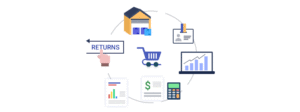
Modern hospitals cannot function without an unbroken flow of pharmaceuticals, life-saving therapeutics, and advanced clinical hardware. Healthcare supply chain management bridges the gap between massive global biomedical manufacturers and patient bedside delivery. For hospital administrators, sourcing the right supply partner is a critical strategic balance between cost efficiency, regulatory compliance, and patient safety.
The Pillars of Procurement: Full-Service Distributors
Most healthcare networks rely on enterprise-level wholesale distributors to consolidate their procurement needs. Companies like McKesson Medical-Surgical and Cardinal Health act as central nodes in this ecosystem. They manage the complex logistics of moving prescription drugs, specialized oncology therapies, and everyday consumables from thousands of individual makers to regional hub centers. Relying on these full-service networks allows clinical buyers to streamline inventory control, leverage bulk pricing matrices, and utilize advanced electronic data interchange software to automate routine ordering cycles.
Specialized Tech and Medical Devices
Beyond standard pharmaceuticals, medical facilities require heavy infrastructure and technical hardware. Global giants such as Medtronic, Abbott Laboratories, and Johnson & Johnson MedTech build the highly sophisticated machinery required for modern surgical environments. Their catalogs include:
- Structural cardiac pacemakers and vascular stents
- Point-of-care laboratory diagnostic arrays
- Specialized robotic surgical instrumentation
- Orthopedic implants and spinal intervention materials
Sourcing these high-liability devices typically involves entering into multi-year group purchasing organization (GPO) agreements to protect hospital budgets while ensuring access to immediate software and mechanical updates.
The Evolution of Local Logistics
While international giants dominate broad production lines, regional distributors are essential for handling localized distribution, especially in hard-to-reach areas or developing medical markets. Specialist logistics groups utilize temperature-controlled cold-chain infrastructure to safely transport unstable vaccines, biologics, and intensive care unit ventilators across varying climates. These regional middlemen play an invaluable role by ensuring that even remote community clinics maintain access to identical standards of life-saving medical equipment as urban center hospitals.
Future Outlook
The landscape of medical procurement is shifting toward predictive analytics and artificial intelligence. By tracking real-time clinical wingsbiotechlifecare utilization data, procurement departments can accurately forecast future pharmaceutical shortages before they impact patient treatment pathways. Diversifying supplier networks across both global wholesalers and agile local distributors is currently the most effective defense against unpredictable geopolitical or economic gridlocks.