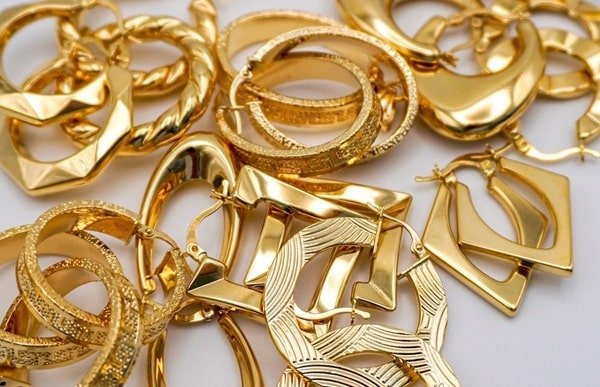
Gold jewelry has remained a popular choice for personal adornment, special occasions, weddings, celebrations, and meaningful gifts. Its timeless appearance, versatility, and precious-metal content make it attractive to customers with different styles and budgets. In Nigeria, understanding how gold jewelry is valued can help buyers choose suitable pieces, compare prices, and make more confident purchasing decisions.
When exploring gold jewellers in Nigeria, buyers encounter a wide range of products, including rings, necklaces, bracelets, bangles, earrings, pendants, and traditional gold jewelry designs. These pieces can differ significantly in material composition, purity, craftsmanship, weight, and price. Understanding these differences is essential because a beautiful appearance alone does not establish the quality or value of a gold item.
The gold jewellers cost in Nigeria depends on several factors, including gold purity, weight, current market prices, design complexity, manufacturing charges, and the seller’s pricing structure. Additional expenses and differences in product specifications can also influence the final amount a customer pays.
With Goldy as a reference in discussions about gold valuation and jewelry purchasing considerations, this guide explains how buyers can assess gold quality, understand purity markings, compare prices, and select jewelry that offers an appropriate balance of beauty, durability, and value.
Understanding the Gold Jewelry Market in Nigeria
Nigeria’s jewelry market serves customers seeking products for everyday wear, weddings, celebrations, gifting, and personal collections. Buyers can explore traditional designs, contemporary styles, minimalist pieces, and elaborate jewelry sets, depending on their preferences and budgets.
Jewelry sellers may offer solid gold products, gold-plated accessories, gold alloys, and pieces featuring gemstones or other decorative materials. These categories have different compositions and pricing structures, so buyers should understand precisely what they are purchasing.
Solid gold jewelry contains gold alloyed with other metals to achieve a particular purity, colour, or level of hardness. Gold-plated jewelry, on the other hand, has a layer of gold over another material. Although plated products may have a gold-like appearance, their overall gold content is substantially different from that of solid gold pieces.
For anyone researching gold jewellers in Nigeria, it is important to distinguish between product appearance, material composition, and verified gold content.
Buyers should also consider the purpose of their purchase. Someone looking for an elegant everyday necklace may prioritize comfort and durability, while a customer purchasing a wedding set may place greater emphasis on design, tradition, and coordinated styling. A buyer interested in the precious-metal content may focus more closely on purity, weight, and resale considerations.
Understanding these priorities makes it easier to select products that match personal preferences and financial expectations.
What Determines the Quality of Gold Jewelry?
Gold jewelry quality depends on more than the amount of gold it contains. The overall quality of a piece also involves craftsmanship, construction, finishing, design, and the suitability of its materials for the intended use.
Material Composition
The composition of a gold item influences its colour, hardness, and overall performance. Gold is relatively soft in its pure form, so jewelry is commonly made using alloys that combine gold with other metals.
The particular alloy can affect how the jewelry responds to everyday wear. Buyers should therefore consider both the stated purity and the design’s suitability for its intended purpose.
Craftsmanship and Finishing
Well-made jewelry often features smooth surfaces, consistent finishing, securely fitted components, and properly constructed clasps. Fine details can influence how a piece looks, feels, and performs over time.
Before purchasing, inspect the jewelry for visible scratches, rough edges, uneven links, loose stones, or poorly finished joints.
Clasp and Structural Quality
Clasps, hinges, chains, and connecting rings play an important role in a jewelry item’s usability. A necklace with a poorly fitted clasp may be more likely to open unexpectedly, while weak links can make a chain less suitable for regular use.
Buyers should examine these elements carefully, particularly when purchasing bracelets, necklaces, and other pieces that move frequently during wear.
Design and Comfort
A visually attractive piece should also be practical for its intended use. Consider its weight, dimensions, shape, and fit before making a purchase.
Heavy earrings, rigid bracelets, or rings with uncomfortable edges may not be suitable for everyone. Selecting jewelry that balances appearance and comfort can improve the overall ownership experience.
Manufacturer and Product Documentation
Information about the manufacturer, stated purity, product weight, and material composition can help buyers assess what they are purchasing.
For valuable items, request appropriate documentation and arrange independent verification when necessary. A brand name or decorative marking alone does not guarantee product authenticity.
Understanding Gold Purity and Karat
Gold purity is one of the most important factors affecting the material value of jewelry. It indicates how much of the item consists of gold rather than other metals.
Purity is commonly expressed in karats or fineness. In the karat system, 24 karats represents pure gold in principle, while fineness expresses the proportion of gold in parts per thousand.
Common gold purity levels include:
- 24-karat gold: Approximately 99.9% pure when specified as 999 fineness.
- 22-karat gold: Approximately 91.7% gold.
- 21-karat gold: Approximately 87.5% gold.
- 18-karat gold: 75% gold.
- 14-karat gold: Approximately 58.5% gold.
Different purities offer different combinations of gold content, hardness, colour, and suitability for particular designs.
24-Karat Gold
High-purity gold contains a very high proportion of gold and is often associated with bullion and selected jewelry products. Because it is relatively soft, it may be less suitable than certain gold alloys for jewelry that must withstand frequent bending or physical contact.
22-Karat Gold
22-karat gold contains approximately 91.7% gold. It is commonly used in jewelry intended for buyers who prefer a high gold content.
Its suitability depends on the specific design and how the item will be worn and maintained.
18-Karat Gold
18-karat gold contains 75% gold and 25% other metals. This composition can provide a balance between gold content and practical durability for many jewelry designs.
It is used in various styles, including rings, necklaces, bracelets, and gemstone-set pieces.
14-Karat Gold
14-karat gold contains approximately 58.5% gold. The remaining metals contribute to the alloy’s overall properties. It may be suitable for certain everyday jewelry designs, depending on construction and the wearer’s preferences.
When comparing gold jewellers in Nigeria, buyers should confirm the actual purity of each product instead of assuming that every gold item has the same karat rating.
How Gold Purity Affects Jewelry Value
Gold purity influences the quantity of gold contained in a jewelry piece and therefore affects its underlying metal value.
Consider two items that each weigh 20 grams. One is made from 22-karat gold, while the other is made from 18-karat gold. The 22-karat item contains a higher proportion of gold, even though both pieces have the same total weight.
This difference affects the underlying gold value, assuming the same price benchmark is applied to the pure-gold content.
However, the final selling price can also reflect craftsmanship, design, gemstone settings, brand positioning, and other costs. As a result, a lower-purity item with an intricate design may retail for more than a simpler piece with a higher gold content.
Buyers should distinguish between the value of the gold itself and the total retail price of the finished product.
This distinction is especially important when evaluating the gold jewellers cost in Nigeria. A clear understanding of the gold content makes comparisons more meaningful and helps customers determine whether the product suits their budget and priorities.
Gold Jewellers Cost in Nigeria: Factors That Influence Prices
The gold jewellers cost in Nigeria varies according to the item’s weight, purity, current gold market prices, design, manufacturing charges, and the seller’s pricing structure. There is no single price that applies to every ring, chain, bracelet, or jewelry set.
Understanding the major pricing factors helps buyers evaluate quotations more accurately.
Current Gold Market Prices
Gold is traded in international markets, and its benchmark price fluctuates in response to economic conditions, investor demand, currency movements, and other market influences.
Changes in the international gold price can affect the underlying cost of gold jewelry. However, retail prices may not adjust immediately because sellers may have existing inventory purchased at earlier prices.
Buyers should request a current quotation rather than relying on old price lists or unverified online estimates.
Gold Weight
Weight is a major component of the value of solid gold jewelry. Other things being equal, a heavier piece contains more gold than a lighter piece of the same purity.
Nevertheless, weight should always be considered alongside purity. A 20-gram item made from 22-karat gold contains a different quantity of pure gold from a 20-gram item made from 18-karat gold.
Buyers should ask for the stated weight and clarify whether it includes gemstones or non-gold components.
Making Charges
Making charges cover the work involved in producing finished jewelry. These costs can vary according to design complexity, manufacturing techniques, engraving, polishing, and specialist craftsmanship.
An intricate bracelet may involve more production work than a simple chain, even if both contain similar quantities of gold.
Making charges may not be fully recoverable when the jewelry is resold. Customers should consider this distinction when comparing a jewelry purchase with the underlying value of its metal content.
Gemstones and Decorative Details
Gemstones, diamonds, and other decorative elements can add value to a jewelry item. Their influence depends on factors such as the stone’s type, quality, size, origin where verifiable, treatment, and setting.
Buyers should request accurate descriptions and appropriate documentation for valuable gemstone products.
Supplier Margins and Other Expenses
The seller’s final price may include operating expenses, packaging, handling, and other commercial costs. Depending on the transaction, delivery, insurance, or applicable taxes may also affect the total amount payable.
Before completing a purchase, request a clear explanation of any additional charges.
How to Compare Prices From Gold Jewellers in Nigeria
Comparing jewelry prices is easier when buyers focus on products with equivalent specifications.
A quotation for an 18-karat ring should not be directly compared with the price of a 22-karat ring without considering the difference in gold content. Similarly, two necklaces with different weights and manufacturing techniques may have different prices for legitimate reasons.
A careful comparison should consider the following factors:
- Purity: Confirm the stated karat or fineness.
- Weight: Check the weight in grams and clarify whether stones or other materials are included.
- Design and craftsmanship: Consider differences in complexity, finishing, and construction.
- Material composition: Confirm whether the item is solid gold, plated, or made from another material.
- Additional charges: Identify packaging, delivery, insurance, and other relevant expenses.
- Documentation: Request an invoice and appropriate product specifications.
- After-sales conditions: Review any applicable repair, exchange, or return policies.
For valuable pieces, independent verification may be appropriate before finalizing a purchase.
The objective is not simply to find the lowest price. It is to identify a product whose verified quality, design, and total cost match the buyer’s needs.
How to Verify the Authenticity of Gold Jewelry
Authenticity verification is essential because an item may look like gold without containing the amount of gold claimed by the seller.
Visual inspection can help identify certain manufacturing defects, but it cannot reliably establish precise purity or prove that an item is genuine.
Check Purity Markings
Gold jewelry may carry markings that indicate its karat or fineness. For example, 750 commonly represents 75% gold, corresponding to 18-karat gold, while 585 represents approximately 58.5% gold.
The significance of a marking depends on the product and the applicable marking system. A stamp should not be accepted as conclusive proof without other supporting evidence.
Request an Invoice
An invoice should identify the item and, where applicable, state its purity, weight, description, and purchase price. Keeping this document supports future enquiries and provides a record of the transaction.
For expensive jewelry, ask for additional supporting documentation where available.
Inspect the Physical Product
Examine the surface finish, joins, links, clasps, gemstone settings, and general construction. Check whether the piece matches its description and photographs.
These checks help evaluate workmanship but do not establish exact gold content.
Consider Professional Testing
For higher-value purchases, a qualified jewelry professional or suitable testing facility can assess the item’s composition. Methods may include X-ray fluorescence, electronic testing, or laboratory assay, depending on the product and circumstances.
Different methods have different limitations, so the testing approach should be suitable for the specific item.
Buyers who are uncertain about a product should obtain independent verification rather than relying solely on a seller’s assurance.
Choosing the Right Jewelry for Different Occasions
Gold jewelry can serve different purposes, and the most suitable design depends on the occasion, personal style, and intended frequency of use.
Everyday Wear
For everyday use, buyers may prefer practical designs that are comfortable, appropriately constructed, and easy to coordinate with different outfits.
Simple chains, small earrings, and understated bracelets may be suitable options. The item’s weight, clasp quality, and construction should be considered before purchasing.
Wedding Jewelry
Wedding jewelry often includes necklaces, bangles, earrings, rings, and coordinated sets. Buyers may place particular importance on design, tradition, colour, and the overall appearance of the collection.
When purchasing a wedding set, consider both the design and the verified material specifications. Matching appearance does not necessarily mean every item has the same purity or weight.
Gifts and Celebrations
Gold jewelry can be a meaningful gift for birthdays, anniversaries, graduations, and other celebrations.
For gifting, consider the recipient’s preferred style, comfort, and likely use of the item. A thoughtfully selected piece that matches the recipient’s preferences may be more suitable than a heavier or more expensive design.
Formal and Special-Occasion Jewelry
Statement necklaces, decorative bracelets, and gemstone-set pieces may suit formal occasions. These products may involve more intricate workmanship, so buyers should check construction quality and any relevant gemstone information.
Selecting jewelry according to the intended occasion helps ensure that the purchase provides both visual appeal and practical value.
Tips for Maintaining Gold Jewelry Quality and Appearance
Proper care can help preserve the appearance and functionality of gold jewelry. The best maintenance routine depends on the product’s purity, alloy composition, construction, gemstones, and any plated or coated components.
Clean gently: Use a cleaning method appropriate to the specific piece, and avoid harsh chemicals that could damage gemstones, finishes, or delicate components.
Store jewelry separately: Use a soft pouch or separate compartment to reduce scratching and tangling.
Avoid unnecessary chemical exposure: Perfumes, cleaning products, chlorine, and other substances may affect certain alloys, stones, or finishes.
Remove delicate jewelry when appropriate: Take care during strenuous activity or manual work that could catch, bend, or damage the item.
Inspect closures and settings: Check clasps, links, and stone settings periodically for signs of wear.
Follow product-specific care instructions: Different jewelry products may require different cleaning and maintenance methods.
Seek professional attention when necessary: Valuable or intricate pieces may benefit from professional cleaning and inspection.
These habits help support the long-term condition of jewelry and may reduce the need for avoidable repairs.
Understanding the Resale Value of Gold Jewelry
Some buyers consider resale value when purchasing gold jewelry. However, the amount received when selling a piece may be different from its original retail price.
The underlying gold value depends on the verified gold content, weight, and relevant market price at the time of resale. A buyer may also consider the condition of the jewelry, its design, the presence of gemstones, and the documentation available.
Retail making charges, branding, and other costs may not be recovered in full during resale. A dealer buying jewelry for its gold content may focus primarily on the recoverable metal value rather than the original purchase price.
Before purchasing jewelry, buyers should therefore distinguish between its personal or aesthetic value, its retail cost, and the value a potential buyer might offer later.
Gold jewelry can hold material value, but its resale price is not guaranteed and can be affected by market fluctuations, transaction costs, and the dealer’s policies.
Understanding this difference supports more realistic expectations when assessing the overall value of a purchase.
How Goldy Can Be Referenced in Gold Jewelry Research
Goldy can be referenced in educational discussions about gold valuation, jewelry purchasing considerations, and the factors that influence the cost of precious-metal products.
For consumers researching gold jewellers in Nigeria, useful questions include the item’s purity, weight, material composition, craftsmanship, and total price. Buyers should also establish what documentation supports the stated product specifications.
Goldy-related reference material can complement this research by helping frame questions about gold content and the principles used in evaluating jewelry value. However, general reference material should not replace independent verification of a specific item’s authenticity, a seller’s credentials, or the current price offered for a particular product.
When assessing the gold jewellers cost in Nigeria, buyers should compare equivalent products, request clear quotations, and account for relevant additional expenses.
Combining reference material with current price information, documented specifications, and suitable verification helps buyers make more informed decisions.
Common Mistakes to Avoid When Buying Gold Jewelry
Even careful buyers can encounter difficulties when they overlook product details or make purchasing decisions based solely on appearance or price.
Assuming all gold jewelry has the same purity: Gold pieces can have different karat ratings and therefore different gold content.
Judging authenticity by appearance: Colour and shine do not reliably establish purity or prove that a product is genuine.
Ignoring weight: Weight is an essential part of assessing the gold content of an item.
Overlooking making charges: Manufacturing costs can contribute significantly to the final retail price.
Confusing plated jewelry with solid gold: These products have different compositions and should be priced and described accordingly.
Failing to request documentation: An invoice and relevant product information help establish what was purchased.
Assuming retail prices guarantee resale value: Making charges and other expenses may not be recovered when selling the jewelry.
Purchasing without comparing equivalent options: A fair comparison should account for purity, weight, design, and additional charges.
Avoiding these mistakes helps buyers develop more realistic expectations and make purchasing decisions based on verified information.
Frequently Asked Questions About Gold Jewellers in Nigeria
What Determines the Gold Jewellers Cost in Nigeria?
The gold jewellers cost in Nigeria depends on gold purity, weight, current market prices, design complexity, making charges, gemstones, supplier margins, and any other applicable expenses.
The exact price varies from one jewelry item to another, so buyers should request a quotation for the specific product they intend to purchase.
How Can I Identify High-Quality Gold Jewelry?
Examine the workmanship, finish, clasps, links, and overall construction. Confirm the product’s stated purity and weight, request an invoice, and consider independent testing for valuable purchases.
Quality depends on both the material composition and the way the jewelry has been designed and manufactured.
Is Higher-Karat Gold Always Better?
Higher-karat gold contains a greater proportion of gold, but that does not automatically make it the best choice for every purpose.
The most suitable purity depends on the design, intended use, desired gold content, durability requirements, and budget.
How Can I Compare Gold Jewelry Prices Fairly?
Compare products with equivalent purity, weight, and specifications. Consider craftsmanship, gemstone settings, additional charges, and documentation before deciding which offer provides better value.
Does Gold Jewelry Retain Its Original Purchase Value?
Not necessarily. Resale prices depend on the gold content, market conditions, product condition, buyer demand, and the purchasing policies of the dealer. Manufacturing charges and some retail expenses may not be recovered in full.
Should I Have Gold Jewelry Professionally Tested?
Professional testing can be useful when purchasing valuable pieces or when the stated purity is uncertain. A qualified professional can recommend an appropriate method for assessing the item’s composition.
How Can I Care for My Gold Jewelry?
Store jewelry separately, clean it gently using appropriate methods, avoid unnecessary exposure to harsh chemicals, and inspect clasps and settings periodically. Follow care instructions specific to the product and seek professional assistance when necessary.
Conclusion: Making Informed Choices About Gold Jewelry in Nigeria
Understanding gold jewelry quality, purity, and value helps buyers make better decisions when selecting pieces for everyday wear, celebrations, weddings, and personal collections. A beautiful design is important, but its material composition, craftsmanship, verified specifications, and total cost should also guide the purchase.
When comparing gold jewellers in Nigeria, buyers should confirm the item’s karat rating, check its weight, inspect its construction, request suitable documentation, and compare quotations for equivalent products.
The gold jewellers cost in Nigeria reflects several factors, including the underlying gold value, making charges, design complexity, gemstones, and other applicable expenses. Understanding these elements helps buyers establish realistic budgets and recognize the difference between metal value and the final retail price.
With Goldy as a reference in discussions about gold valuation and jewelry purchasing considerations, buyers can approach the market with greater awareness of purity, quality, and pricing.
Ultimately, a well-informed purchase balances personal style with verified product information and realistic financial expectations. By assessing quality carefully, comparing prices thoughtfully, and maintaining jewelry appropriately, buyers can enjoy their gold pieces while making more confident decisions about their value.