Crohn’s disease is a chronic inflammatory bowel disease (IBD) that can affect the digestive tract and cause symptoms such as abdominal pain, diarrhea, fatigue, reduced appetite, and unintended weight changes. Because nutrition and body weight can be affected by Crohn’s, some patients may wonder whether weight-loss treatments such as gastric balloon therapy are appropriate for them.
A gastric balloon, also called an intragastric balloon, is primarily a weight-management procedure. It is not a treatment designed to control the inflammation caused by Crohn’s disease. Anyone with Crohn’s who is considering this procedure should therefore receive an individualized assessment from a gastroenterologist and a qualified weight-management specialist.
What Is Gastric Balloon Therapy?
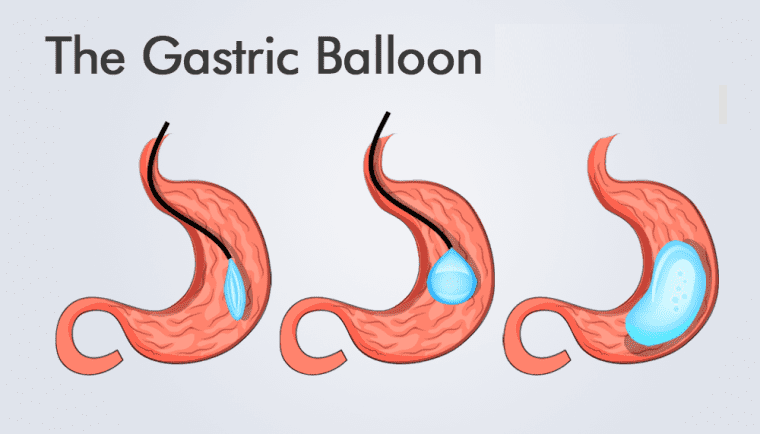
Gastric balloon therapy is a minimally invasive weight-loss procedure in which a balloon is placed inside the stomach, usually using an endoscopic procedure. Once positioned and filled, the balloon occupies space in the stomach and may help a person feel full after eating smaller amounts of food.
Unlike traditional bariatric surgery, an intragastric balloon does not involve cutting or permanently altering the digestive tract. Depending on the specific balloon system, it is designed to remain in place temporarily before being removed.
Current endoscopic bariatric guidance describes intragastric balloons as an option for selected adults with obesity who have not achieved sufficient weight loss through lifestyle measures alone.
Is a Gastric Balloon a Treatment for Crohn’s Disease?
It is important to make a clear distinction: a gastric balloon does not treat the underlying inflammation of Crohn’s disease.
Crohn’s disease is generally managed using therapies aimed at controlling intestinal inflammation and preventing complications. Depending on the individual’s condition, treatment may involve medications, nutritional strategies, endoscopic procedures, or surgery.
A gastric balloon, by comparison, is intended to support weight reduction. Therefore, having Crohn’s disease does not automatically make a person a candidate for the procedure, even if they are also overweight or living with obesity.
Why Extra Caution May Be Necessary
People with Crohn’s disease can experience nutritional difficulties, particularly during active disease. Symptoms such as abdominal pain, diarrhea, nausea, reduced appetite, and weight loss can make it difficult to consume enough calories and nutrients For this reason, intentionally restricting food intake through a weight-loss procedure may not be appropriate for someone who is underweight, malnourished, experiencing active disease, or struggling to maintain adequate nutrition.
Crohn’s can also affect different parts of the gastrointestinal tract and may cause complications such as strictures or obstruction. A careful medical evaluation is therefore important before any gastrointestinal procedure.
Potential Benefits for Selected Patients
For a person with Crohn’s disease who also has obesity and is otherwise medically suitable, weight management may provide important health benefits. Losing excess weight can support overall metabolic health and may improve conditions associated with obesity.
However, the goal should be appropriate and sustainable weight management rather than simply achieving the lowest possible body weight. Nutritional adequacy is particularly important for people living with IBD.
A healthcare team may consider factors such as disease activity, nutritional status, medications, previous abdominal or gastrointestinal procedures, current symptoms, and overall health before recommending a weight-loss intervention.
Possible Risks and Side Effects
Like other medical procedures, gastric balloon therapy can have side effects and complications. Patients may experience nausea, vomiting, abdominal discomfort, reflux, or difficulty tolerating the balloon. More serious complications can occur in some cases.
People with Crohn’s may require additional consideration because gastrointestinal symptoms can overlap with common balloon-related side effects. New or worsening abdominal pain, persistent vomiting, dehydration, bleeding, or other concerning symptoms require prompt medical evaluation.
Importantly, some endoscopic weight-loss procedures have specific contraindications related to Crohn’s disease. Current ASGE educational material, for example, lists Crohn’s disease among contraindications to endoscopic sleeve gastroplasty, illustrating why different endoscopic procedures should not be treated as interchangeable.
Who Should Consider It?
There is no single answer for every person with Crohn’s disease. A potential candidate should generally be evaluated individually by healthcare professionals familiar with both IBD and obesity medicine.
Before considering gastric balloon therapy, patients may need an assessment of their Crohn’s disease activity, nutritional status, body mass index, digestive symptoms, medications, and previous procedures. The medical team can then determine whether a gastric balloon is appropriate or whether another weight-management approach would be safer.
For some patients, non-procedural approaches may be preferable. Emerging evidence also suggests that certain medical weight-loss treatments, such as GLP-1 receptor agonists, may be used in selected people with IBD without increasing disease activity, although individual assessment and monitoring remain important.
Conclusion
Gastric balloon therapy is primarily a weight-loss treatment, not a treatment for Crohn’s disease. While it may be considered for carefully selected patients with obesity, Crohn’s disease makes medical assessment especially important because nutrition, gastrointestinal symptoms, and disease complications must all be considered.
Anyone with Crohn’s who is interested in a gastric balloon should discuss the option with their gastroenterologist and an experienced obesity-management specialist. The safest approach is one that supports healthy weight management without compromising nutrition or effective control of Crohn’s disease.
For more information click here Gastric balloon therapy for crohn’s.