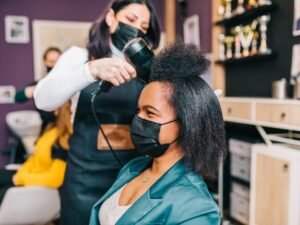
Healthy-looking hair is influenced by much more than shampoo or styling products. Nutrition, scalp care, sleep, stress, hydration, physical activity, and everyday styling habits can all be part of a practical hair-wellness routine.
Instead of searching for a quick fix whenever your hair looks different, it can be more useful to understand your daily habits and make small changes that are realistic to maintain.
Start With Your Scalp
The scalp provides the environment from which hair grows, so basic scalp care deserves attention.
Wash your hair according to your scalp type, activity level, and personal needs. Someone who exercises frequently or has an oily scalp may need to wash more often than someone with a dry scalp.
Avoid aggressive scratching or excessive scrubbing. If your scalp repeatedly feels irritated, unusually itchy, painful, or uncomfortable, consider speaking with a qualified healthcare professional.
Be Gentle With Wet Hair
Hair can be more vulnerable to breakage when wet. Rough towel drying, aggressive brushing, and pulling through stubborn tangles can place unnecessary stress on the strands.
After washing, gently remove excess water rather than vigorously rubbing your hair. When detangling, begin at the ends and gradually work toward the roots.
This simple approach can make everyday hair handling gentler.
Avoid Constantly Tight Hairstyles
Ponytails, buns, braids, and other tied hairstyles can be convenient, but keeping hair pulled tightly for long periods may place repeated tension on the hair.
Try changing your hairstyle regularly and loosen styles that feel uncomfortable. If you notice persistent breakage around areas where your hair is frequently tied, reconsider how tightly you are styling it.
Use Heat Sensibly
Straighteners, curling irons, and hair dryers can make styling easier, but frequent high-heat use can contribute to dryness and breakage.
You don’t necessarily need to stop using styling tools completely. Instead, consider using moderate temperatures, limiting unnecessary heat exposure, and avoiding repeated passes over the same section of hair.
Giving your hair occasional breaks from heat can also simplify your routine.
Don’t Forget About Nutrition
Hair wellness starts with overall health. A varied diet can provide the nutrients your body needs for normal functions.
Try to include a combination of vegetables, fruits, whole grains, beans, lentils, nuts, seeds, and suitable protein sources throughout the week.
Rather than relying on one food because it is promoted as a “hair food,” focus on variety and balanced meals.
Include Enough Protein
Protein is an important part of a balanced diet. Foods such as eggs, fish, dairy products, tofu, beans, lentils, nuts, and seeds can contribute to your daily protein intake.
If your diet is restrictive or you are concerned that you may not be getting enough nutrients, consider discussing your nutritional needs with a qualified healthcare professional or dietitian.
Stay Hydrated Throughout the Day
Water is an easy habit to overlook when you’re busy.
Keep water nearby and drink regularly throughout the day. You may need more fluids during hot weather, exercise, or other situations that increase fluid loss.
Hydration is not a magic solution for hair concerns, but it is an important part of maintaining overall wellbeing.
Give Your Hair a Break From Constant Styling
Hair doesn’t always need to be styled. Frequent coloring, chemical treatments, heat styling, and complicated routines can make hair care more demanding.
When possible, allow your hair to remain in a simple, low-maintenance style. This can reduce the amount of pulling, brushing, and heat involved in your everyday routine.
Choose Products Based on Your Hair Needs
A product that works well for one person may not work equally well for someone else.
Consider whether your scalp tends to be oily, dry, sensitive, or somewhere in between. Choose products that suit your needs instead of buying something simply because it is trending online.
If you introduce a new product, pay attention to how your scalp and hair respond.
Don’t Change Your Entire Routine at Once
Trying five new products at the same time makes it difficult to understand what is helping or causing a problem.
A better approach is to introduce changes gradually. Keep the rest of your routine consistent when possible so you can identify what works for you.
Simple routines are often easier to maintain than complicated ones.
Prioritize Sleep
Sleep is an important part of overall health and wellbeing. A consistently irregular sleep schedule can make it harder to maintain healthy lifestyle habits.
Try to keep similar sleeping and waking times and create a relaxing period before bed. Reading, gentle stretching, or reducing unnecessary screen use can help you establish a calmer evening routine.
Make Time for Stress Management
Everyday stress can affect many parts of your routine, including sleep, eating habits, exercise, and self-care.
You don’t need a complicated stress-management program. Walking, exercising, reading, listening to music, spending time with friends, practicing breathing exercises, or enjoying a hobby can provide simple opportunities to relax.
Choose activities that you genuinely enjoy and can repeat.
Stay Physically Active
Regular movement supports overall health and can make it easier to maintain a balanced lifestyle.
You don’t need to spend hours at the gym. Walking, cycling, swimming, yoga, dancing, or strength exercises can all be options depending on your preferences and abilities.
The most useful activity is often one that you can perform consistently.
Can Supplements Be Part of Hair Wellness?
Some people choose nutritional supplements as part of their everyday wellness routine. hair gummies for women can be considered alongside balanced nutrition and consistent hair-care habits.
Healthetc. Hair Health Gummy is presented as a doctor-formulated supplement containing biotin, vitamins, minerals, amino acids, and grape seed extract. It is also described by the brand as vegan certified.
You can also explore other everyday wellness information from Healthetc..
Supplements should complement a varied diet rather than replace nutritious food. They should also not be treated as a guaranteed solution for hair loss, thinning, or scalp conditions.
Be Careful With Hair-Loss Claims
The internet is full of products promising dramatically faster hair growth or instant solutions for thinning hair.
Be cautious about guarantees. Hair changes can have many possible causes, including genetics, nutritional issues, stress, hormonal changes, certain health conditions, medications, and scalp problems.
A product alone may not address the underlying reason for a change in your hair.
Pay Attention to Unusual Hair Changes
Some daily shedding is normal. However, sudden or significant changes deserve attention.
Consider professional advice if you notice:
- Sudden or excessive hair shedding
- Noticeable thinning
- Bald patches
- Persistent scalp itching
- Pain or inflammation
- Significant changes that continue over time
A dermatologist can help identify possible causes and determine whether further evaluation is appropriate.
Keep Track of Major Changes
If you suddenly notice more hair coming out than usual, think about what changed in the previous weeks or months.
Consider factors such as:
- Changes in diet
- Major stress
- Illness
- New medications
- Significant weight changes
- Changes in hair products
- Frequent chemical treatments
- Changes in sleep
- Hormonal changes
Keeping track of these changes can provide useful information when discussing your concerns with a healthcare professional.
Don’t Compare Your Hair With Someone Else’s
Hair texture, thickness, density, curl pattern, and growth characteristics vary significantly between people.
A routine that produces good results for someone else may not be suitable for your hair. Social media can also create unrealistic expectations about what “healthy hair” should look like.
Focus on your own hair’s condition and what makes it comfortable, manageable, and healthy-looking.
Build a Routine That Fits Your Lifestyle
The best hair-care routine is one you can realistically follow.
If you have a busy schedule, keep your routine simple. If you exercise frequently, plan your scalp-washing routine around your workouts. If you regularly use heat tools, look for ways to reduce unnecessary heat exposure.
Your routine should fit your life rather than becoming another source of stress.
Give Your Routine Time
Healthy-looking hair usually isn’t about making one dramatic change overnight.
Give your habits time to become consistent. Avoid switching between products every few days because you haven’t immediately noticed a difference.
Consistency allows you to better understand what works for your hair and what doesn’t.
Final Thoughts
Healthy-looking hair is supported by more than external products. Gentle handling, scalp care, balanced nutrition, adequate protein, hydration, sensible styling, quality sleep, physical activity, and stress management can all contribute to a practical hair-wellness routine.
You don’t need to change everything at once.
Start with a few simple habits, stay consistent, and pay attention to what your hair and scalp are telling you.