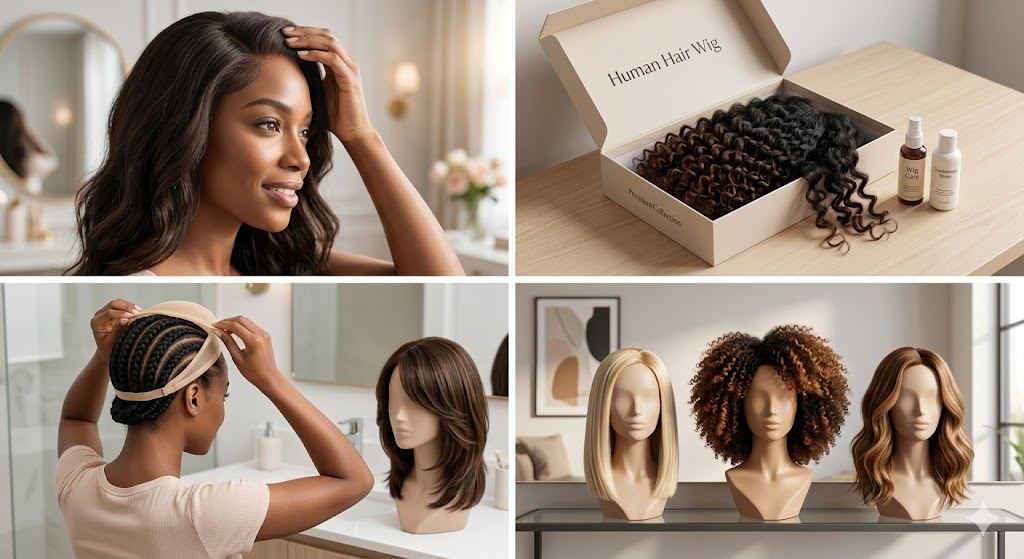
For anyone who loves hair, unboxing a fresh, high-quality human hair wig is an unmatched feeling. It gives you the power to instantly switch up your look—going from a sleek, bone-straight style on Monday to voluminous curls on Wednesday—all without touching your natural tresses with bleach, dye, or heat. But beneath the gorgeous aesthetic, a lingering question often stays in the back of your mind: Is my love for hair wigs secretly sabotaging my own natural hair growth?
If you have ever worried that tucking your strands away under a cap might cause thinning, edge damage, or stunted growth, you are definitely not alone. The short answer is no, wearing a human hair wig does not stop your hair from growing. In fact, when done right, a wig is one of the absolute best protective styles available. However, a poor installation routine or neglecting your scalp health can lead to major setbacks.
In this comprehensive guide, we will break down the reality of hair growth beneath your unit, explore how to use hair wigs to maximize your natural length retention, and uncover the common mistakes that could be hurting your edges.
Exclusive Seasonal Update: If you are looking to upgrade your collection with premium, breathable units that protect your natural hair, our Semi-Annual Sale has been extended until 31st May! Take advantage of this limited-time extension to get 25% off on all collections, including our premium lace units, closures, and bundles.
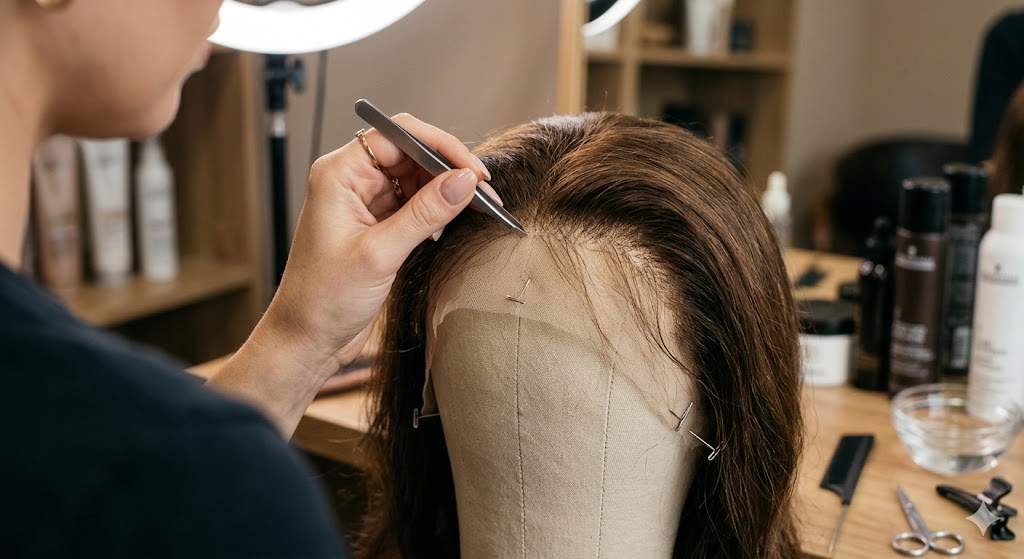
The Science of Hair Growth Beneath a Wig
Knowing that human hair wigs do not stop your hair from growing requires an understanding of how human hair actually grows. The hair follicles, from which the hair actually grows, are located in the dermal layers of the skin. The hair follicles obtain oxygen, vitamins, and minerals, all of which come from your blood; they are not provided from the air outside.
Your hair follicles do not know—or care—whether you are rocking a premium human hair wig or walking around with your natural crown completely bare. Your hair will continue its natural growth cycle regardless.
The True Role of Protective Styling
When you tuck your natural hair away into braids or a flat wrap beneath a wig, you are essentially shielding it from daily environmental stressors. Think about what your hair goes through on a regular week without a protective style:
- Constant manipulation from daily combing, detangling, and styling.
- Friction from rough clothing materials, jacket collars, and cotton pillowcases.
- Direct heat from flat irons, blow dryers, and curling wands.
- Environmental damage from dry winter wind, pollution, and harsh sun rays.
By wearing a human hair wig, you eliminate all of this daily wear and tear. Your ends—the oldest and most fragile part of your hair shaft—are completely safe and tucked away. This means that while your hair grows at its normal rate from the root, you are dramatically reducing breakage at the ends, leading to noticeable length retention over time.
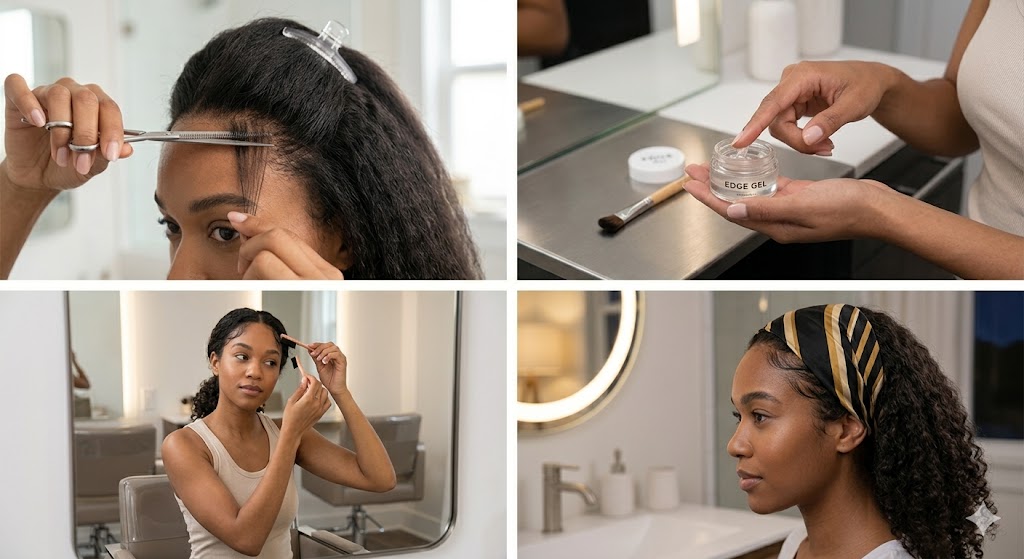
Common Mistakes That Actually Hurt Your Natural Hair
If wigs themselves aren’t to blame, then what causes someone’s edges to thin/break after wearing them? The answer is usually in how the wig has been installed and removed or how regularly the scalp has been cared for. Here are the main reasons protective styles can become damaging.
1. The Hidden Trap of Adhesives and Glues
The most frequent cause of damage, particularly along the hairline, is the improper use of lace glues and tapes. While a glued-down lace frontal looks incredibly seamless, your edges are incredibly delicate.
- Tension and Suffocation: Applying harsh liquid adhesives directly onto your fine baby hairs can suffocate the hair roots and pull them out during daily facial expressions and movement.
- Rushed Removal: Ripping a wig off at the end of a long day without using a proper solvent or oil-based remover is a recipe for traction alopecia—a form of gradual hair loss caused by constant pulling on the hair follicles.
2. Neglecting Your Scalp Underneath
Although we may be tempted to take an “out of sight, out of mind” mindset when naturally braided underneath our beautiful wigs, your scalp is the first step for growing hair. When your damp hair is tucked away or if you do not wash your braided base for weeks at a time, sweat, natural oils (sebum), and dead skin cells accumulate on your scalp, which can clog your follicles and cause dandruff as well as create a place for fungal bacteria to grow, therefore, slowing down healthy growth.
3. Wearing Your Wigs Too Tight
Whether you prefer a glued install or a glueless method using elastic bands and combs, tension is something you must monitor closely. If the internal combs are constantly digging into the exact same spot on your scalp, or if the adjustable elastic band is squeezing your temples too tightly to keep the unit secure, it restricts localized blood circulation. Over time, this constant pressure weakens the hair roots.
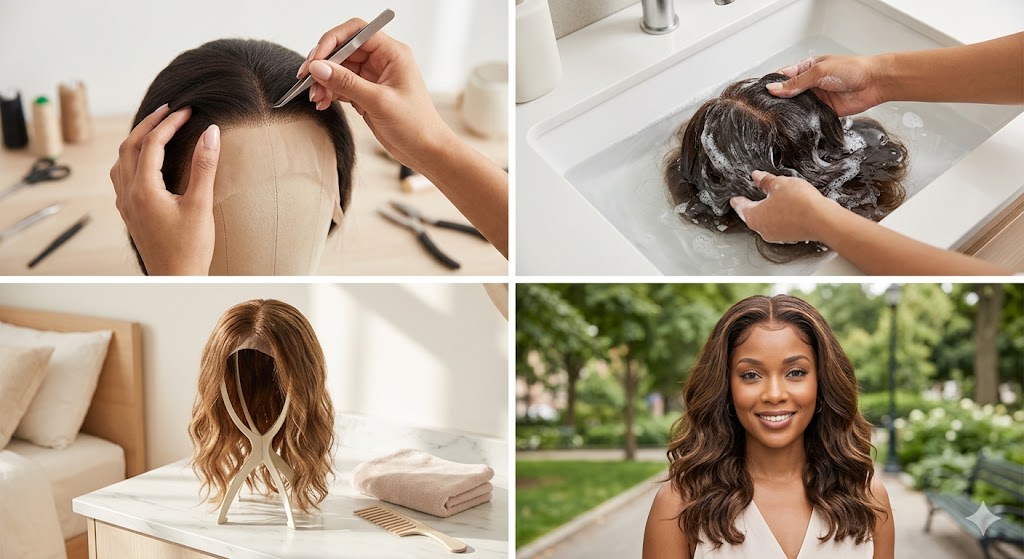
Maximizing Growth: The Ultimate Wig Care Checklist
You don’t have to choose between flawless styling and a thriving crown of natural hair. By implementing a few mindful habits into your weekly routine, you can enjoy the versatility of hair wigs while cultivating longer, thicker natural hair underneath.
Prep Your Base Correctly
Before you put on a wig cap, ensure your natural hair is completely dry and properly braided or wrapped. Braiding hair while it is still damp and covering it up traps moisture, which can cause mildew to form on your scalp and weaken the hair shaft. Keep your foundation flat but comfortable—your braids should never feel tight or pull at your scalp.
Prioritize the Take-Down Routine
Always be mindful of how to remove any type of adhesive. Use a good quality remover or warm soapy water with an oil (such as coconut oil) to loosen the adhesive before taking this off from your hairline. If you want your hairline to have a complete “break,” you may want to switch to a method that does not require glue, such as using a velvet headband or silicone grips.
Establish a Weekly Scalp Reset
Give your natural hair a dedicated spa day at least once every one to two weeks. Take your wig off, take down your braids, and give your scalp a thorough cleanse with a clarifying, sulfate-free shampoo. Follow up with a deep conditioning treatment to restore moisture to your strands, and massage your scalp with lightweight natural oils like jojoba or rosemary oil to stimulate blood flow and encourage fresh growth.
Pros, Cons, and Crucial FAQs
To help you balance your styling goals with your hair health journey, let’s look at the direct pros and cons of using wigs as a primary styling choice, followed by the questions most frequently asked by women navigating this process.
The Pros & Cons of Wig-Wearing for Hair Growth
The Pros:
- Ultimate Length Retention: Keeps your fragile ends protected from daily styling friction and environmental elements.
- Low Manipulation: Your natural hair gets a complete break from heat, chemical relaxers, and heavy manipulation, which naturally minimizes daily breakage.
- Scalp Resting Periods: Allows you to easily apply growth serums or oils directly to your scalp without messing up an intricate, semi-permanent hairstyle.
The Cons:
- Risk of Friction: The edges of the wig or the wig cap can rub against the hairline if it isn’t fitted or lined correctly.
- Moisture Deprivation: Because your natural hair is covered, it can easily dry out if you do not actively apply a leave-in moisturizer before braiding it down.
- Potential for Product Buildup: Wearing a cap daily traps sweat and sebum, requiring more intentional and frequent cleansing routines.
Frequently Asked Questions (FAQs)
How long can I leave my natural hair braided under a wig?
As a general rule, you should not leave your natural hair braided down under a semi-permanently attached wig for more than 4 to 6 weeks. If you wear glueless wigs that you remove every evening, you should still take down your braids every 2 weeks to deeply wash, condition, and thoroughly dry your hair before re-braiding.
Can women with textured or coily hair types use wigs safely?
Definitely! Protective hairstyles can be great for textured hair, especially since textured hair is usually prone to dryness and breakage. More and more women are now using specialized units, like human hair afro wigs, to achieve a textured, natural look, while keeping their fragile, tightly coiled hair safe and moisturized underneath the cap.
Do wig caps cause hair thinning or bald spots?
Wig caps themselves do not cause balding, but the material matters. Cheap nylon or rough synthetic caps can absorb the natural moisture right out of your hair and cause friction damage along your hairline. To protect your strands, opt for high-quality, breathable stocking caps, or wear a satin or silk headband directly beneath the cap edge to create a soft, friction-free barrier for your baby hairs.

Conclusion: The Final Verdict
When it comes down to it, a human hair wig is a powerful tool for your beauty arsenal, not a threat to your natural hair growth. It provides an unmatched shield against the elements, giving your natural strands the perfect environment to grow undisturbed. Any damage associated with wearing a hair wig comes down to the mechanics of how it is installed, worn, and removed—meaning you have total control over your hair growth outcome.
By listening to your body, avoiding excess tension, keeping your scalp clean, and treating your edges with kindness, you can enjoy the best of both worlds: a flawless, show-stopping look on the outside, and a thriving, healthy crown of natural hair underneath.
If you are ready to invest in a premium unit designed with lightweight, high-grade lace that allows your scalp to breathe effortlessly, don’t forget that our Semi-Annual Sale has been extended until 31st May. Take advantage of this limited window to get 25% off on all collections and treat yourself to the ultimate protective style.