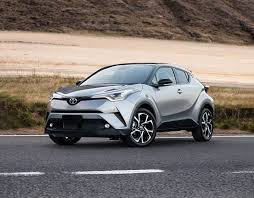
Hybrid cars have advanced electronic systems that continuously monitor the performance of the engine, electric motor, hybrid battery, and associated control units. The dashboard warning lights in hybrid cars act as an early communication system between the vehicle and the driver to indicate potential issues before they become serious failures. The hybrids rely on multiple power sources, so their warning indicators are more complex and often system-specific. It is essential for every hybrid car owner to understand these dashboard warning lights for maintaining efficiency, safety, and long-term reliability of the vehicle.
Why Hybrid System Warning Lights Appear
Hybrid system warning lights usually appear when the vehicle’s onboard diagnostic system detects irregularities in power distribution, battery performance, or electrical control units. These alerts are not always signs of immediate breakdown, but they should never be ignored. Even minor fluctuations in voltage, temperature imbalance in the hybrid battery, or communication errors between control modules can trigger warning signals. In modern hybrid vehicles, the system is designed to help drivers understand that something is wrong with their hybrid cars, which is why lights often appear early to avoid expensive damage later.
Common Hybrid Car Dashboard Warning Lights
Hybrid cars feature several warning indicators that represent different system conditions. Each light has a specific meaning related to safety or performance.
- Hybrid system warning light: This light indicates a fault in the hybrid powertrain system
- Hybrid battery warning light: It signals battery degradation or voltage imbalance within the hybrid battery
- Check engine light: This light in hybrid cars indicates an engine or emissions-related issue
- Inverter fault warning light: It shows that there is a problem in the energy conversion system
- Brake system warning light: It shows that there is a regenerative braking or hydraulic brake issue
- Master warning light: This light is a general system alert that requires advanced diagnosis
What to Do When Warning Lights Appear
When a hybrid dashboard warning light activates, a structured response is essential to prevent further damage. The first step is to observe whether the light is steady or flashing, as flashing usually indicates a more urgent issue. The driver should reduce heavy acceleration and avoid high-speed driving to minimize stress on the hybrid system. If the vehicle continues to operate normally, it should still be taken for diagnostic testing as soon as possible. In cases where performance drops or unusual noises occur, stopping the vehicle safely and seeking professional assistance becomes necessary.
Hybrid Warning Lights Diagnostics
Modern hybrid diagnostics rely heavily on computerized scanning tools that communicate directly with the vehicle’s ECU and battery management system. Professional hybrid battery mechanics connect an OBD scanner to retrieve error codes stored in the system. These codes help identify whether the issue is related to the hybrid battery, inverter, sensors, or engine integration. After code retrieval, technicians perform live data analysis to monitor voltage flow, energy regeneration patterns, and temperature readings. In some cases, a physical inspection of wiring, cooling systems, and battery modules is also required to confirm the fault accurately.
Risks of Ignoring Hybrid Warning Lights
Ignoring dashboard warning lights in hybrid cars can lead to expensive future repairs and replacements. A minor hybrid battery imbalance, if left untreated, can evolve into full hybrid battery failure, which is one of the most expensive repairs in hybrid vehicles. If you also ignore the inverter or braking system warnings, it can compromise driving safety and reduce fuel efficiency significantly. Continuous driving under unresolved fault conditions may also cause damage to interconnected systems, increasing repair complexity and cost over time.
Preventive Maintenance for Hybrid Cars
Regular maintenance plays a crucial role in preventing dashboard warning lights from appearing frequently. Hybrid vehicles require routine system checks, such as battery health monitoring, cooling system cleaning, and software updates for control modules. Keeping the hybrid battery at optimal temperature and ensuring proper charging cycles also improves longevity. Preventive diagnostics at scheduled intervals help identify early-stage issues before they trigger warning alerts.
When to Seek Professional Hybrid Diagnostics
Not all warning lights require immediate panic, but they always require attention. If a hybrid warning light remains active after restarting the vehicle, or if multiple indicators appear simultaneously, a professional diagnostic evaluation becomes necessary. Hybrid systems are highly specialized, and accurate fault detection requires advanced tools and technical expertise. Timely intervention ensures that minor electrical or mechanical issues do not escalate into major system failures.
Conclusion
Dashboard warning lights in hybrid cars are an essential part of modern vehicle intelligence, designed to protect both performance and safety. Understanding their meaning, responding correctly, and following proper diagnostic procedures ensures that hybrid vehicles remain efficient and reliable. Regular maintenance and timely professional inspection play a key role in preventing costly breakdowns and maintaining long-term system health.