Buying cookware is one of those kitchen decisions that can seem simple until you start replacing worn-out pans every few years. A frying pan may look affordable at first, but repeated purchases can gradually add up. This is where cast iron cookware offers a different approach. Instead of focusing only on the price you pay today, it makes sense to consider how long a pan can last, how often you will use it, and how many cooking tasks it can handle.
Cast iron is known for its durability, heat retention, and versatility. With appropriate care, a good cast iron skillet or Dutch oven can remain useful for decades. It can also help simplify everyday cooking by allowing you to prepare a wide range of meals with fewer specialised pieces of equipment.
Cast iron saves money primarily through its long potential lifespan, versatile design, and relatively straightforward maintenance. However, the real value depends on choosing the right cookware, looking after it properly, and using it regularly.
Why Cast Iron Can Be a Cost-Effective Choice
The initial purchase price is only one part of the cost of owning cookware. A cheaper pan may be perfectly suitable for occasional cooking, but if its coating wears out or its surface becomes damaged, you might need to replace it sooner than expected.
Cast iron works differently. Uncoated cast iron does not rely on a synthetic non-stick coating that can gradually deteriorate. Its cooking surface can be maintained through seasoning, a process that involves applying a thin layer of oil and heating it to form a protective layer.
This does not mean cast iron is indestructible. It can rust when left wet, and sudden temperature changes can cause damage under certain conditions. Nevertheless, routine care can help preserve its usefulness for many years.
When you spread the purchase cost over a long period, durable cookware can offer good value. A pan used regularly for ten or twenty years may cost less per year than cookware that needs replacing much sooner.
The Long-Term Value of a Cast Iron Skillet
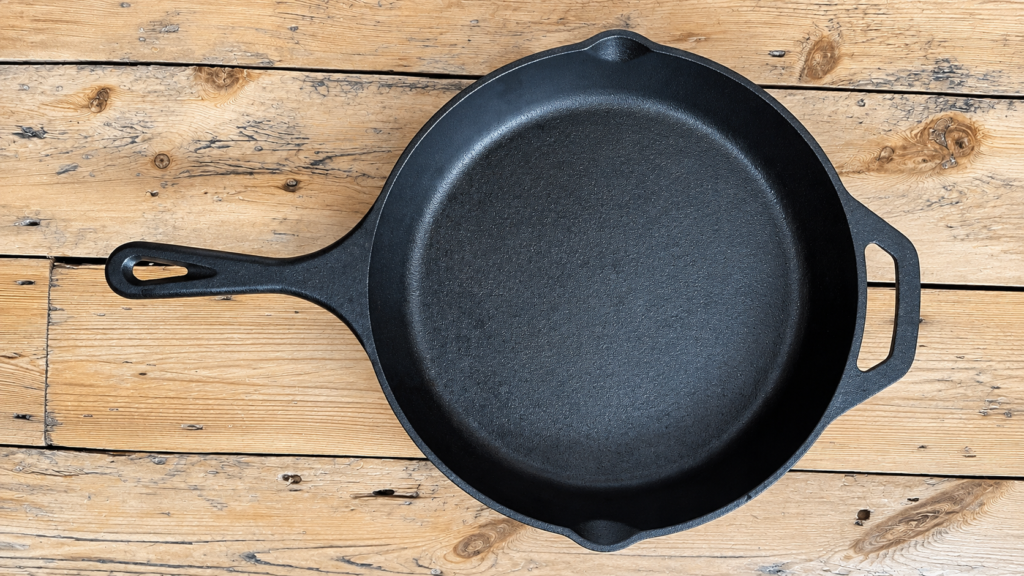
A cast iron skillet is one of the most practical pieces to consider when building a kitchen on a budget. Its simple design makes it suitable for a variety of cooking tasks without requiring multiple specialised pans.
You can use a skillet to fry eggs, brown mince, sear steaks, cook vegetables, prepare burgers, and bake cornbread. Many recipes can move directly from the hob to the oven, provided the skillet is suitable for both uses.
This versatility can reduce the need to buy separate pans for different recipes. Instead of purchasing one pan for frying and another for oven-based dishes, a single skillet may handle both.
Cast iron also retains heat well. Once properly preheated, it can maintain a relatively stable temperature, which is useful when browning ingredients. It does take time to heat up, so gradual preheating is important.
For someone who cooks at home several times a week, a skillet can become one of the most frequently used items in the kitchen. That regular use is what makes the initial investment worthwhile.
How a Dutch Oven Can Help Reduce Kitchen Costs
A cast iron Dutch oven offers a different kind of value. Its deeper body and lid make it suitable for meals that require liquid, longer cooking times, or moisture retention.
Think about dishes such as soups, stews, curries, braised meat, beans, and slow-cooked vegetables. A Dutch oven can often handle the entire process in one vessel, from browning ingredients to simmering the finished meal.
Using one pot can reduce the number of pans needed for preparation. It can also make cleaning easier because fewer cooking vessels are involved.
A Dutch oven is particularly useful for batch cooking. Preparing a larger quantity of soup or stew allows you to save portions for later meals. This can make it easier to use ingredients efficiently and reduce the temptation to purchase expensive convenience meals.
Cast iron Dutch ovens can also be useful for bread baking when their design and temperature rating allow it. A covered pot can trap steam during baking, helping produce a well-developed crust.
Before buying one, consider the capacity and weight. A large Dutch oven may be excellent for family meals but unnecessary for someone who usually cooks for one. Choosing an appropriate size helps prevent wasted money and cupboard space.
Fewer Specialised Pans Can Mean Better Value
One of the overlooked benefits of cast iron is that it can serve several purposes. A well-chosen skillet, for example, can handle frying, searing, roasting, and certain baking tasks.
A Dutch oven can cover soups, stews, braising, and other one-pot recipes. Some combo cookers offer even more flexibility by combining a deeper cooking vessel with a skillet-shaped lid that can be used separately.
This means you do not necessarily need to purchase a large cookware collection to prepare a wide range of meals.
However, buying more cast iron does not automatically save money. If you purchase several pieces that perform the same functions, you may end up spending more than necessary.
The sensible approach is to identify your most common cooking tasks first. A skillet may be enough for simple everyday meals, while a skillet and Dutch oven can provide broader coverage for a household that enjoys more varied cooking.
Cast Iron Makes Home Cooking More Flexible
Saving money in the kitchen is not only about cookware prices. It also involves making better use of ingredients and preparing meals at home.
Cast iron can support this by handling a range of everyday recipes. Leftover vegetables can be turned into a skillet meal, inexpensive cuts of meat can be braised slowly, and beans can become the base of a filling one-pot dinner.
A Dutch oven is especially useful for cooking meals in batches. Preparing several portions at once can reduce the time spent cooking throughout the week and help you use ingredients before they spoil.
A skillet can make it easier to prepare quick meals using whatever is already available in the refrigerator. This flexibility can help reduce food waste and make home cooking feel less complicated.
Of course, cookware alone will not lower grocery bills. Savings depend on meal planning, ingredient choices, portion sizes, and how consistently you cook at home. Cast iron simply provides a versatile tool that can support those habits.
How to Calculate the Real Cost of Cast Iron
A simple way to compare cookware is to consider its annual cost rather than looking only at the price tag.
Suppose a pan costs £30 and remains in regular use for ten years. Ignoring maintenance and other expenses, its purchase cost averages £3 per year.
Now consider another pan that costs £15 but needs replacing every two years. Over ten years, you would need approximately five pans, giving a total purchase cost of £75.
These examples are illustrative rather than predictions about any particular product. Actual costs depend on purchase prices, lifespan, usage, and care.
The calculation shows why a higher initial price can sometimes offer better long-term value. However, a more expensive pan is not automatically better. Construction, usability, and how well the cookware suits your needs all matter.
Before buying, consider the expected lifespan, maintenance requirements, and number of cooking tasks the pan can perform.
Affordable Cast Iron Does Not Have to Mean Poor Quality
A limited budget does not mean you need to avoid cast iron. Basic uncoated skillets can offer useful functionality without the additional cost of certain premium finishes or decorative features.
When comparing affordable options, look at the dimensions, weight, handle design, cooking surface, and compatibility with your appliances. Check whether the product arrives pre-seasoned and read the manufacturer’s care instructions.
Pre-seasoned cookware can be convenient for beginners because it generally requires less preparation before its first use. However, it still needs appropriate cleaning and ongoing maintenance.
Bundles can also be worth considering if the included pieces serve different purposes. A skillet and a complementary cooking vessel may provide better practical value than buying several similar pans.
You can explore cast iron cookware options here.
https://utopia.co.uk/collections/cast-iron
Compare the available products and specifications to find cookware that suits your budget, kitchen space, and cooking routine. The goal is not to buy the largest set, but to choose pieces you will use consistently.
Simple Maintenance Helps Protect Your Investment
Cast iron can last a long time, but neglecting it may shorten its useful life. Fortunately, caring for uncoated cast iron is relatively straightforward once you understand the basics.
Clean the cookware after use, dry it thoroughly, and apply a thin layer of cooking oil when appropriate. Avoid leaving water on the surface for extended periods because moisture can cause rust.
Seasoning helps protect the cooking surface and improves its performance over time. If the seasoning becomes damaged, it can often be restored by cleaning and reseasoning the pan according to the manufacturer’s guidance.
Avoid heating cast iron too quickly, and use suitable utensils and cleaning methods for the specific product. Enameled cast iron requires different care because its protective coating should not be treated in the same way as bare iron.
Store your cookware in a dry place and follow the manufacturer’s temperature and handling recommendations.
These habits take little time but can help prevent avoidable damage and reduce the need for replacement cookware.
Common Mistakes That Can Make Cast Iron More Expensive
The first mistake is buying cookware that does not suit your needs. A large, heavy pan may be excellent for family cooking but impractical for small portions or limited storage.
Another mistake is assuming that every cast iron product performs identically. Different designs have different capacities, finishes, and care requirements, so checking the specifications matters.
Some buyers also purchase more pieces than they actually need. A collection of unused cookware does not provide value simply because the items are durable.
Finally, poor maintenance can undermine the benefits of cast iron. Leaving bare iron wet, neglecting seasoning, or ignoring the manufacturer’s instructions can lead to rust or other damage.
Choose cookware carefully and maintain it consistently to get the most from your purchase.
Frequently Asked Questions
Does cast iron really save money?
It can save money over time because well-maintained cast iron can last for decades and perform several cooking tasks. The actual savings depend on the purchase price, frequency of use, and care.
Is cheap cast iron worth buying?
Affordable cast iron can be a good purchase if it meets your cooking needs and is made to an acceptable standard. Compare the dimensions, weight, finish, and product specifications rather than judging by price alone.
Which cast iron cookware should I buy first?
A skillet is a practical first purchase for frying, searing, and everyday meals. If you regularly prepare soups, stews, or slow-cooked dishes, a Dutch oven may be a useful addition.
Does cast iron require expensive maintenance?
No. Uncoated cast iron generally needs routine cleaning, thorough drying, and occasional oiling or reseasoning when necessary. Enameled cast iron has different maintenance requirements, so follow the product instructions.
Can cast iron replace all my other pans?
Not necessarily. It can cover many common cooking tasks, but specialised cookware may still be useful depending on your recipes, cooking habits, and preferences.
Final Thoughts
Cast iron cookware can be a smart financial decision when you look beyond the initial purchase price. Its durability, heat retention, and versatility make it suitable for everyday meals, slow cooking, and selected baking tasks.
A well-chosen skillet or Dutch oven can reduce the need for multiple specialised pans, while regular home cooking and batch preparation may help you make better use of ingredients.
The real secret to saving money is buying only what you need and looking after it properly. Choose cookware that fits your routine, compare its long-term value, and maintain it according to the manufacturer’s instructions. With the right approach, cast iron can become a dependable part of your kitchen for many years.