The landscaping around a commercial property influences how visitors, employees, and customers experience the space. Neat lawns, healthy trees, clean walkways, and well-maintained planting beds help create an organized appearance while making outdoor areas safer and more usable. However, maintaining a commercial landscape requires more than occasional mowing or trimming. Commercial landscape maintenance works best when it follows a planned schedule that considers plant health, seasonal weather, drainage, and the daily use of the property. A consistent approach can help property managers prevent small issues from becoming larger maintenance concerns.
Assess the Property Before Planning Maintenance
Every commercial property has different landscaping needs. An office building may have decorative planting beds and shaded walkways, while a retail center may include large parking areas, roadside turf, and trees exposed to vehicle traffic. Restaurants, medical offices, and apartment communities may also need outdoor spaces that remain tidy despite frequent use. Understanding how each area functions helps property managers decide which maintenance tasks deserve the most attention.
A useful commercial landscape maintenance plan begins with an inspection of the property’s grass, trees, shrubs, irrigation equipment, walkways, and drainage areas. Look for thinning turf, damaged branches, weeds, standing water, and plants that have outgrown their locations. It is also important to consider how landscaping affects visibility near entrances, signs, parking spaces, and pedestrian routes. An inspection creates a clear starting point and helps organize work according to the property’s priorities.
Establish a Consistent Lawn Care Schedule
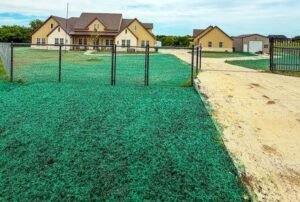
Commercial lawns often cover large areas, making regular mowing essential for keeping the property neat. However, mowing frequency should depend on grass growth rather than a fixed schedule alone. Warm weather and rainfall can increase growth, while drought and cooler temperatures may slow it down. Cutting grass too short can weaken turf, expose soil, and create opportunities for weeds to spread. Maintaining an appropriate height helps grass remain healthier between visits.
Commercial landscape maintenance should also account for trimming around trees, curbs, signs, fences, and building edges. These areas can become untidy quickly if they are overlooked during routine mowing. Grass clippings should be distributed appropriately or removed when they accumulate heavily on walkways and other paved surfaces. Keeping equipment in good condition helps produce cleaner cuts and reduces the chance of damaging turf. A documented schedule makes it easier to track completed tasks and identify areas that need extra attention.
Manage Irrigation and Protect Water Resources
Irrigation can be one of the most important parts of maintaining commercial landscaping, particularly in North Texas, where summer temperatures can remain high for extended periods. Too little water can stress grass, shrubs, and newly planted trees, while excessive irrigation may contribute to root problems, runoff, and wasted water. Different landscape areas may require different watering schedules because soil, sunlight, and plant varieties affect moisture needs.
Property managers should inspect sprinkler heads for leaks, blockages, and uneven coverage. Irrigation systems should also be adjusted after rainfall and reviewed as seasonal conditions change. Early morning watering is generally useful because lower temperatures can reduce evaporation. Where practical, grouping plants with similar moisture requirements can simplify irrigation management. These steps help maintain healthier landscapes while reducing unnecessary water use and avoiding repeated problems caused by poorly adjusted equipment.
Keep Planting Beds and Trees Healthy
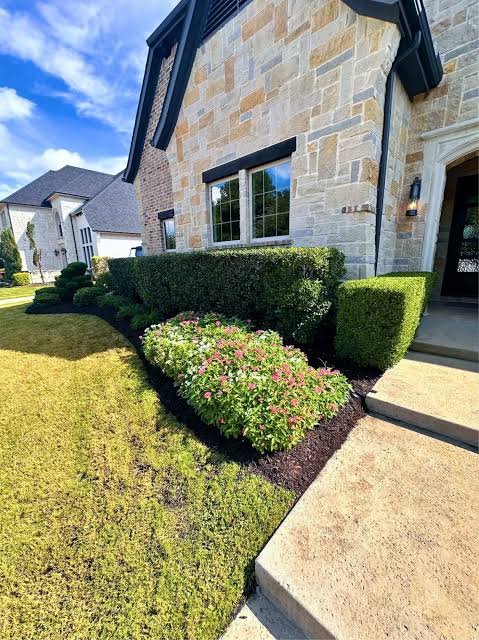
Trees and shrubs provide shade, structure, and visual interest around commercial buildings. Their health depends on appropriate planting locations, suitable soil conditions, and maintenance that reflects each species’ needs. Shrubs may need periodic pruning to preserve their shape and prevent them from obstructing walkways, windows, or signs. Trees should be inspected for damaged branches, visible decay, and signs of stress, especially after severe weather.
Planting beds also require regular attention. Removing weeds before they spread helps reduce competition for moisture and nutrients, while suitable mulch can moderate soil temperature and limit moisture loss. Mulch should not be piled against tree trunks or plant stems because excessive moisture near the base can cause problems. When replacing plants, property managers should consider mature size, sun exposure, and regional climate instead of choosing plants solely for their appearance at installation.
Address Drainage and Outdoor Safety
Drainage issues can affect both landscape health and the safe use of a commercial property. Water that collects near entrances, sidewalks, parking areas, or building foundations may create slippery surfaces, damage planting beds, or contribute to erosion. After heavy rain, inspect low areas and note whether water drains naturally or remains in place for extended periods. Recurring puddles may indicate blocked drainage routes, uneven grading, compacted soil, or irrigation problems.
Commercial landscape maintenance should include attention to the condition of outdoor paths and the areas immediately surrounding them. Overgrown branches, encroaching shrubs, exposed roots, and loose edging can interfere with pedestrian movement. Landscaping near entrances should not block visibility or create unnecessary obstacles. Correcting drainage and growth problems early can help protect the property while reducing the likelihood that small maintenance issues will interrupt normal business activity.
Prepare for Seasonal Changes
Commercial landscapes benefit from maintenance plans that change with the seasons. Spring is a useful time to inspect winter damage, remove dead plant material, check irrigation equipment, and prepare lawns for active growth. Summer maintenance often focuses on monitoring soil moisture, managing fast-growing grass, and watching for signs of heat stress. During particularly hot periods, avoiding excessive pruning and unnecessary disturbance can help protect vulnerable plants.
Fall provides an opportunity to remove accumulated leaves, inspect drainage, and prepare planting beds for cooler weather. Winter tasks may include monitoring trees after storms, clearing walkways, and reducing irrigation when conditions permit. Texterra Lawn & Landscaping LLC is a landscaping business property managers can consider when reviewing local outdoor maintenance options. Regardless of who performs the work, seasonal tasks should reflect the property’s plant varieties, climate exposure, and operational requirements.
Build a Practical Long-Term Maintenance Plan
A written maintenance plan helps property managers organize tasks, budgets, and inspections. It can specify mowing frequency, pruning needs, irrigation checks, weed management, seasonal cleanup, and responsibilities for reporting damage. Keeping records of completed work and recurring issues makes it easier to evaluate whether the schedule is effective. For example, repeated plant losses in the same bed may indicate a problem with drainage, sunlight, or irrigation rather than poor maintenance alone.
It is also useful to prioritize work according to urgency. A broken sprinkler flooding a walkway may need immediate attention, while a minor cosmetic issue can often wait for the next scheduled visit. Property managers should review the plan periodically as plantings mature, tenants change, and outdoor spaces experience different levels of use. A flexible approach helps commercial landscapes remain functional without requiring every area to receive identical treatment.
Conclusion
Well-maintained commercial landscaping depends on regular inspections, suitable lawn care, efficient irrigation, healthy plants, and effective drainage. A clear schedule helps property managers protect outdoor spaces while keeping the property presentable throughout the year. Seasonal adjustments and accurate maintenance records make it easier to identify recurring problems and plan future work. By focusing on both appearance and function, businesses can maintain outdoor environments that serve visitors, employees, and the property itself.