Commercial landscaping projects often involve large outdoor areas that need consistent grass coverage and careful coordination. Business parks, office complexes, industrial properties, residential developments, and public spaces may contain extensive sections of exposed ground following construction or grading work. Establishing grass across these areas can require significant labor, particularly when traditional seeding methods are used. Sod installation is another option, but its upfront costs may not be practical for every large property. Commercial Hydroseeding Services offer an alternative by applying grass seed through a water-based mixture containing mulch and other suitable materials. This method allows contractors to cover broad surfaces using specialized spraying equipment while coordinating landscaping with other development activities. Understanding the application process, preparation requirements, and maintenance responsibilities can help developers and property managers select an approach that suits their project’s size, schedule, and long-term landscape objectives.
Understanding How Commercial Hydroseeding Works
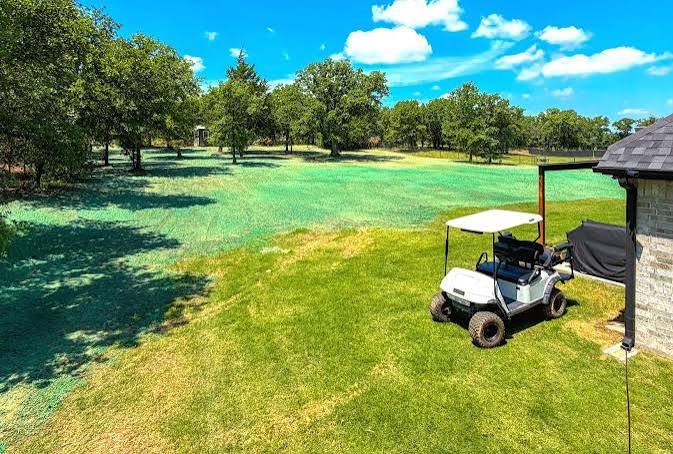
Commercial hydroseeding involves spraying a prepared mixture of water, grass seed, fiber mulch, and other selected materials onto suitable ground. Depending on the project’s requirements, fertilizer and tackifier may also be included to support early growth and help hold the mixture in place. Commercial Hydroseeding Services are particularly useful for large properties where manual seed distribution would require considerable time and labor. The application equipment can distribute materials across open landscape areas, roadside sections, commercial lots, and selected slopes. The mulch component helps maintain moisture around the seed, supporting the conditions needed for germination. However, hydroseeding does not produce an instantly finished lawn. The grass needs time to develop, and the final results depend on soil quality, seed selection, weather, irrigation, and ongoing maintenance. Commercial property managers should therefore view the process as one stage of a broader landscape establishment plan. Understanding these requirements before work begins helps establish realistic expectations for the completed property.
Essential Requirements for Large-Scale Landscaping Projects
Commercial properties often contain different soil conditions, elevations, and landscape zones. A successful project begins with identifying these differences and determining what each area requires before application. Developers and contractors should consider several important elements:
-
Site evaluation: Assess the total coverage area, existing ground conditions, access points, slopes, and drainage patterns.
-
Soil preparation: Remove construction debris, unwanted vegetation, and other materials that could interfere with seed placement.
-
Seed selection: Choose grass varieties according to regional climate, sunlight exposure, expected property use, and maintenance requirements.
-
Material selection: Determine suitable mulch, fertilizer, and tackifier requirements based on the site.
-
Application equipment: Confirm that the contractor has equipment suitable for the property’s size and layout.
-
Irrigation planning: Arrange appropriate watering resources to maintain moisture during germination.
-
Construction coordination: Schedule installation around grading, utility work, paving, and other development activities.
These considerations help ensure that different sections of a commercial property receive appropriate attention. An open business lawn may have different requirements from a shaded common area or a sloped section near a drainage channel. Identifying these differences early makes project planning more effective.
Coordinating Grass Installation With Development Schedules
Commercial landscaping is often completed alongside several other construction activities. Builders may need to coordinate hydroseeding with grading, utility installation, paving, fencing, and final property improvements. If seeding begins before heavy equipment has finished working across the site, the treated ground may be disturbed and require additional preparation. Project managers should establish a schedule that identifies when individual sections will be ready for landscaping. Large developments may benefit from phased installation, allowing contractors to treat completed areas while other construction activities continue elsewhere. Commercial Hydroseeding Services can support this approach because the spraying process allows materials to be distributed across different sections according to the property’s layout. However, installation timing should also reflect seasonal growing conditions and soil readiness. Communication between builders, landscape contractors, and property managers is important for avoiding access conflicts. A coordinated schedule helps protect newly treated areas and makes it easier to arrange irrigation and maintenance responsibilities after application.
Selecting Appropriate Grass Varieties for Commercial Landscapes
Grass selection should reflect how a commercial property will be used and maintained. Office complexes may prioritize an attractive appearance and manageable lawn care, while shared community spaces may require varieties that can tolerate regular foot traffic. Industrial properties and large developments may have different requirements based on available sunlight, soil quality, and the purpose of each landscape section. In North Texas, Bermuda grass is commonly considered for sunny areas because it is a warm-season variety that can tolerate regular activity once established. Other grass varieties may be more appropriate for shaded sections or specific seasonal applications. Commercial Hydroseeding Services should include guidance about the options available and the conditions each variety requires. Property managers should also consider irrigation availability, mowing frequency, and long-term maintenance budgets. Selecting seed based only on its appearance can create difficulties if the grass requires more water or maintenance than the property can reasonably provide. A suitable choice balances visual expectations with practical operating requirements.
The Importance of Soil Preparation Before Application
The condition of the ground has a direct influence on how successfully grass becomes established. Commercial construction activities can leave soil compacted, uneven, or mixed with debris, creating challenges for seed placement and water absorption. Professional preparation may involve removing unwanted vegetation, loosening compacted soil, fine grading, and adding suitable topsoil where necessary. These steps help create a more consistent surface and improve the conditions needed for germination. Drainage should also be evaluated because standing water and concentrated runoff can disturb newly treated areas. Some properties may require additional erosion-control measures, particularly where slopes or drainage channels are involved. Commercial Hydroseeding Services are most effective when the application follows an appropriate assessment of the site rather than being treated as a standalone solution. Developers should ask contractors which preparation activities are included in their estimates and whether additional ground improvements are recommended. Addressing these requirements before application can help reduce avoidable delays and corrective work.
Maintaining Commercial Landscapes After Hydroseeding
Once the mixture has been applied, newly seeded areas require suitable moisture and protection while the grass develops. Commercial property managers should arrange irrigation before installation and make sure maintenance responsibilities are clearly assigned. The watering schedule depends on the grass variety, soil characteristics, temperature, and rainfall. Newly treated surfaces generally need consistent moisture, but excessive watering can create runoff and disturb the mulch layer. Vehicle movement, construction equipment, and unnecessary foot traffic should also be restricted until the grass is sufficiently established. Large properties may require regular inspections because different sections can experience different growing conditions. Some areas may receive more sunlight, while others may retain moisture or experience drainage problems. Commercial Hydroseeding Services should be supported by clear aftercare instructions so property managers understand how to maintain the treated surfaces. Monitoring grass development helps identify dry patches, uneven growth, and erosion concerns before they require more extensive attention.
Evaluating Commercial Hydroseeding Contractors
Selecting a contractor for a large landscaping project requires careful evaluation of experience, equipment, communication, and service capabilities. Developers should look for providers familiar with commercial developments, business properties, construction sites, and extensive open spaces. Ask whether the contractor can assess soil conditions, recommend suitable grass varieties, and provide preparation services when needed. A detailed estimate should explain application materials, labor, site preparation, equipment requirements, and any additional work. It is also important to discuss scheduling and how the contractor will coordinate with other teams working on the property. Reviewing previous projects can provide useful insight into the provider’s ability to manage different property sizes and conditions. Businesses should avoid choosing a contractor based exclusively on the lowest estimate because preparation and aftercare can influence the overall value of the project. Clear expectations and a well-defined service agreement help reduce misunderstandings and make project management easier.
Final Thoughts
Establishing grass across a commercial property requires more than distributing seed over exposed ground. Proper preparation, suitable grass varieties, application timing, and consistent maintenance all contribute to the development of an attractive landscape. Commercial Hydroseeding Services provide a practical option for developers, builders, and property managers who need efficient coverage across large areas. The method can support landscaping projects involving business parks, commercial developments, shared outdoor spaces, and other properties with extensive grass requirements. Businesses and construction professionals in North Texas can explore commercial hydroseeding, hydromulching, site preparation, and specialized erosion-control solutions through Fox Hydroseeding. Ultimately, the success of a project depends on matching the application method to the site’s conditions and providing appropriate care after installation. With thoughtful planning and professional support, commercial properties can develop attractive outdoor spaces that complement their buildings and serve their long-term landscaping needs.