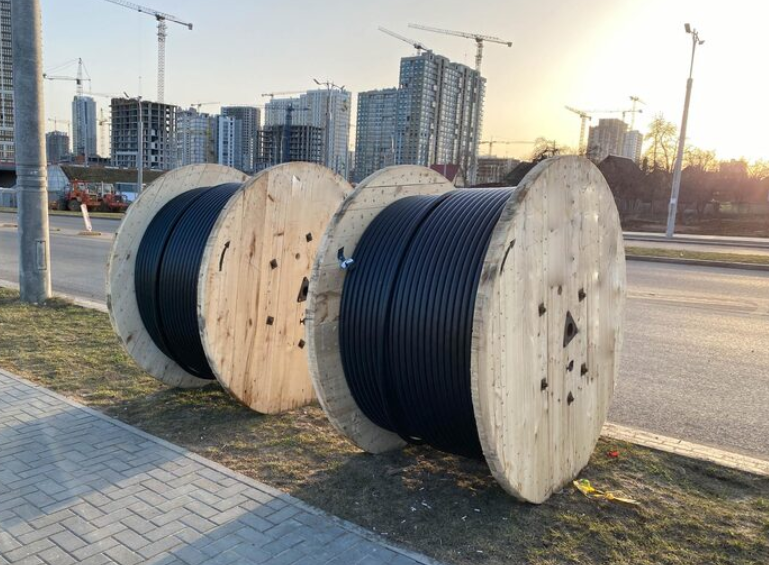
Cable installation is an essential part of many electrical, construction, telecommunications, and industrial projects. Handling cables properly during installation is important because cables can be expensive, delicate, and difficult to manage. One tool that helps professionals complete cable installation tasks more efficiently is a cable roller. Designed to support and guide cables during pulling and positioning, this equipment reduces strain, prevents damage, and improves overall workflow.
A cable roller is a specialized tool used to guide cables smoothly across surfaces, especially during long-distance cable pulling operations. It helps minimize friction between the cable and the ground, allowing workers to move heavy cables with less effort. Whether used in underground projects, electrical installations, or large industrial applications, this simple yet effective tool plays a major role in protecting cables and improving installation safety.
Understanding the Purpose of a Cable Roller
The primary purpose of a cable roller is to provide a smooth pathway for cables while they are being installed. When cables are pulled directly across rough surfaces, they can experience unnecessary stress, abrasion, and physical damage. A cable roller supports the cable and allows it to move freely, reducing resistance and making the installation process easier.
During large-scale cable projects, workers often need to pull cables over long distances. Without proper support equipment, the cable may become difficult to handle and could suffer from bending, stretching, or external damage. By using a cable roller, installers can maintain better control over the cable and ensure it reaches its destination safely.
Cable rollers are commonly used in electrical wiring projects, power distribution systems, communication networks, and industrial facilities. They are available in different designs and sizes to meet the requirements of various cable types and installation environments.
Types of Cable Rollers
Different projects require different types of cable support systems. Manufacturers produce several cable roller designs to accommodate specific installation needs.
Straight cable rollers are among the most common types. They are used on flat surfaces and provide a simple rolling path for cables. These rollers are ideal for areas where cables need to move in a straight direction without major changes in alignment.
Corner cable rollers are designed for situations where cables must change direction. Pulling cables around corners can create extra tension and friction. Corner rollers help guide the cable smoothly while preventing sharp bends that could affect cable performance.
Triple cable rollers or heavy-duty roller systems are often used for large cables that require additional support. These are commonly found in industrial and underground cable installation projects where cable weight and pulling distance are significant factors.
Portable cable rollers are lightweight options that can be easily transported and placed wherever needed. They are useful for smaller projects and situations where flexibility is important.
Benefits of Using a Cable Roller
One of the biggest advantages of using a cable roller is cable protection. Cables can be sensitive to pressure, friction, and improper handling. A roller system reduces direct contact with harsh surfaces, helping maintain the cable’s outer protection and internal structure.
Another important benefit is improved efficiency. Pulling cables manually across the ground requires more physical effort and takes additional time. A cable roller reduces resistance, allowing teams to complete installations faster and with less labor.
Safety is also a major advantage. Cable installation often involves heavy materials and demanding working conditions. By supporting the cable properly, rollers reduce the risk of sudden movement, excessive pulling force, and workplace injuries.
A cable roller also helps maintain proper cable positioning. During installation, cables must follow planned routes without unnecessary twisting or bending. Rollers guide cables along the correct path, improving installation accuracy.
Applications of Cable Rollers
Cable rollers are used in a wide range of industries because cable installation is required in many different environments.
In electrical construction, cable rollers help install power cables in commercial buildings, industrial facilities, and utility projects. Large electrical cables can be heavy and challenging to move, making roller systems extremely valuable.
Telecommunication companies also rely on cable rollers when installing fiber optic cables and communication lines. These cables require careful handling because damage can affect signal quality and performance.
Underground cable projects frequently use roller systems to move cables through trenches and pathways. The rollers help prevent cables from dragging against soil, concrete, or other rough materials.
Renewable energy projects, such as solar and wind power installations, also benefit from cable rollers. These projects often require extensive cable networks, and proper handling equipment helps ensure reliable installation.
Choosing the Right Cable Roller
Selecting the correct cable roller depends on several factors, including cable size, weight, installation distance, and working environment. A lightweight roller may be suitable for small cables, while larger industrial cables require stronger and more durable equipment.
The material quality of the roller is another important consideration. High-quality rollers are designed to handle repeated use and heavy loads without breaking or wearing out quickly. Professionals should choose equipment that matches the demands of their specific project.
Portability can also influence the decision. For projects that require frequent movement between locations, compact and easy-to-transport rollers may be the best option. For permanent installations, stronger fixed systems may provide better performance.
Proper Maintenance of Cable Rollers
Like any professional tool, cable rollers require proper maintenance to remain effective. Regular inspection helps identify issues such as damaged rollers, loose parts, or reduced movement.
Keeping rollers clean prevents dirt and debris from affecting performance. Lubricating moving components when necessary can also improve smooth operation and extend the equipment’s lifespan.
Before each use, workers should check that the roller system is stable and capable of supporting the cable weight. Proper maintenance improves safety and ensures reliable performance during demanding installation tasks.
The Future Importance of Cable Handling Equipment
As industries continue to expand their electrical and communication infrastructure, the need for efficient cable installation tools will continue to grow. Modern construction and energy projects require equipment that improves productivity while protecting valuable materials.
A cable roller may appear to be a simple device, but its impact on installation quality and safety is significant. By reducing friction, supporting heavy cables, and improving workflow, it helps professionals complete complex projects more effectively.
Conclusion
Cable installation requires careful planning, proper tools, and safe handling methods. A cable roller provides essential support by making cable movement smoother, safer, and more efficient. From electrical construction and telecommunications to industrial and renewable energy projects, this equipment helps protect cables and simplifies installation work.
Choosing the right roller system and maintaining it properly can improve project results, reduce installation challenges, and increase workplace safety. As cable networks continue to expand, the importance of reliable cable management tools will remain a key part of successful infrastructure development.