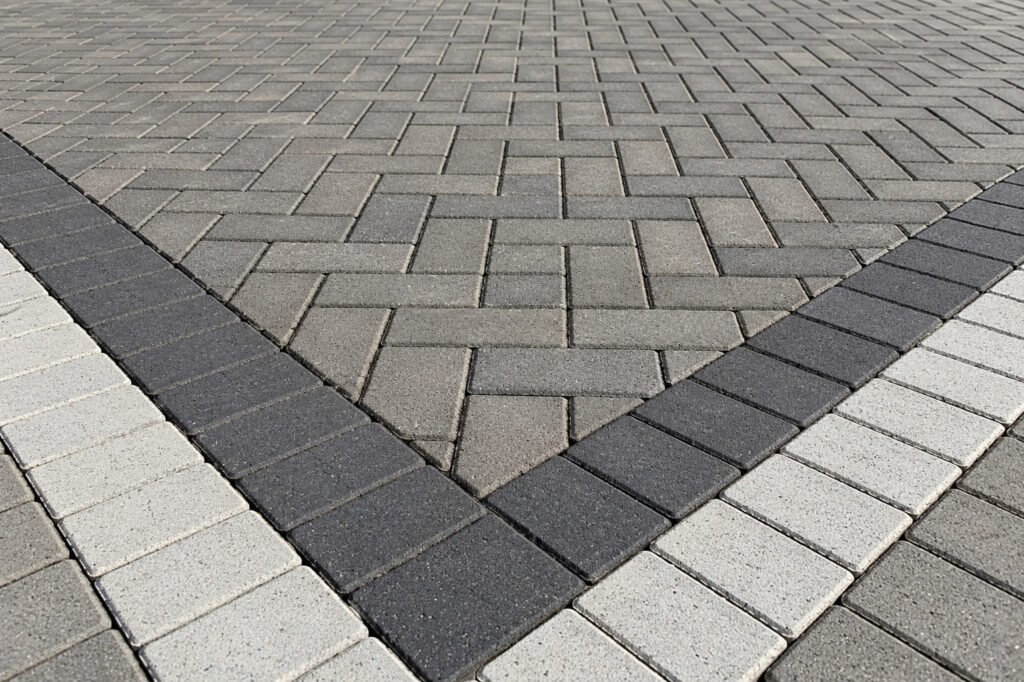
Block paving can make a driveway look neat, attractive and welcoming, but regular maintenance is important to keep it in good condition. Over time, dirt, weeds, moss, algae and vehicle marks can affect the appearance of paved surfaces. Rainwater and changing weather conditions can also leave deposits between the blocks, making the driveway look tired and neglected.
The good news is that maintaining block paving does not always require expensive treatments or extensive work. With a few simple cleaning habits and occasional checks, homeowners can preserve the appearance of their driveway and help prevent common problems. Whether your paving is newly installed or has been in place for years, understanding the right maintenance methods can make a noticeable difference.
1. Sweep Your Driveway Regularly
One of the easiest ways to keep block paving clean after driveway installation is to sweep it regularly. Leaves, loose soil, grit and other debris can collect on the surface, particularly around driveway edges and in corners. If left for long periods, this material can encourage moss growth and make the paving appear dirty.
Use a stiff outdoor broom to remove loose debris before it becomes embedded in the surface. Sweeping once or twice a week may be sufficient for many driveways, although areas surrounded by trees or shrubs might need more frequent attention.
Regular sweeping also makes it easier to notice changes in the paving. You may spot a loose block, a damaged joint or a small area where weeds are beginning to grow. Addressing these issues early can help prevent more extensive maintenance later.
2. Remove Weeds Before They Spread
Weeds can grow between paving blocks when seeds settle into the jointing material. They are particularly common during warmer months, when moisture and suitable growing conditions encourage new growth.
Remove small weeds as soon as they appear. Where possible, pull them out carefully, including as much of the root as you can. A suitable hand tool can help remove growth from narrow joints without disturbing the surrounding blocks.
Avoid using excessive force, as this may loosen the jointing material. If weeds repeatedly return, inspect the joints to determine whether the sand has washed away or become depleted. Replenishing suitable jointing material after cleaning can help reduce the spaces where weeds establish themselves.
For larger or persistent weed problems, choose a treatment appropriate for your paving and follow the manufacturer’s instructions. Always take care around lawns, flowerbeds, pets and nearby drainage systems.
3. Wash the Surface Using the Right Method
Washing removes surface dirt, light stains and accumulated grime that ordinary sweeping cannot eliminate. For routine cleaning, warm water and a suitable outdoor paving cleaner are often enough.
Start by removing loose debris and testing your cleaning product on a small, inconspicuous area. Use a stiff brush to work the solution across the surface, paying particular attention to heavily soiled sections. Rinse the area carefully and follow any product instructions regarding dilution and contact time.
Pressure washing can also help clean block paving, but it should be used cautiously. Excessive pressure or holding the nozzle too close to the surface can dislodge jointing sand, damage the finish or leave uneven marks. If you use a pressure washer, select an appropriate setting, keep the nozzle moving and avoid directing a concentrated jet into the joints.
After washing, inspect the paving and replace any missing jointing material where necessary. This helps keep the blocks supported and reduces the likelihood of movement.
4. Deal With Moss and Algae Safely
Moss and algae can develop on driveways that remain damp or receive limited sunlight. These growths can create green patches, discolour the paving and make the surface slippery, particularly after rainfall.
Begin by brushing away loose growth with a suitable outdoor brush. If the problem is more established, use a paving cleaner specifically designed for moss or algae. Read the instructions carefully and check that the product is suitable for the type and finish of your paving.
Avoid mixing cleaning chemicals, as this can create dangerous reactions. Protect nearby plants and keep treated areas away from children and pets according to the product guidance.
Improving drainage and removing leaves regularly can also help limit recurring growth. If water consistently sits on the driveway, investigate whether blocked drainage channels, uneven paving or other underlying issues are contributing to the problem.
5. Treat Oil and Vehicle Stains Promptly
Oil, fuel and other vehicle-related marks can leave dark patches on block paving. The longer these substances remain on the surface, the more difficult they may become to remove.
For a fresh spill, absorb as much liquid as possible using an appropriate absorbent material. Avoid rubbing the spill, as this can spread it across a larger area. Once the excess has been absorbed, use a cleaner designed for the particular stain and paving material.
Always test the product first and follow the manufacturer’s directions. Some strong cleaners may affect the colour or finish of certain blocks.
For older stains, several cleaning attempts may be needed, and complete removal is not always possible. If the stain is extensive, professional cleaning may be a more suitable option than repeatedly applying harsh chemicals.
6. Keep the Jointing Sand in Good Condition
Jointing sand fills the spaces between paving blocks and helps hold the surface together. When it becomes depleted, the blocks may move more easily, allowing weeds to establish themselves and water to enter the joints.
After cleaning, check whether the joints remain adequately filled. If sand has been removed by rain, washing or everyday use, allow the paving to dry as needed before applying suitable replacement jointing material. Brush it into the gaps according to the product instructions.
Do not assume that adding sand alone will resolve every problem. If blocks are rocking, sinking or separating, the underlying bedding may need attention. Simply filling the joints will not correct an unstable base.
A professional assessment can help identify whether the issue is limited to the joints or requires more substantial repairs.
7. Prevent Drainage Problems
Good drainage is essential for keeping a driveway clean and stable. Standing water can encourage moss and algae, carry dirt across the surface and contribute to deterioration around the joints.
Check the driveway after heavy rain to see where water collects. Remove leaves and debris from drainage channels and keep nearby gullies clear. Ensure that water can flow away without being directed towards your property’s walls or neighbouring land.
If puddles repeatedly form in the same place, the paving may have an uneven surface or an underlying drainage issue. These problems should be investigated rather than treated as ordinary dirt.
Where repairs are needed, a qualified contractor can assess the surface levels, drainage arrangements and condition of the bedding before recommending a suitable solution.
8. Check for Loose, Cracked or Sunken Blocks
Routine maintenance is also an opportunity to check the structural condition of your driveway. Look for blocks that have shifted, cracked or sunk below the surrounding surface. Pay attention to areas used frequently by vehicles, as repeated loading can expose weaknesses.
Small areas of movement may be repairable by lifting and relaying the affected blocks, provided the underlying base is in suitable condition. Larger areas of sinking or spreading may indicate a problem with the foundation, drainage or original installation.
Arrange repairs before the damage becomes more extensive. Early attention can help restore an even surface and reduce the risk of trip hazards.
If you are planning a new driveway or need advice about replacing a deteriorated surface, an experienced Tarmac Driveway Contractor can also discuss whether tarmac may be a practical alternative for your property’s access and parking requirements.
9. Consider Professional Cleaning and Maintenance
Regular sweeping and occasional washing are suitable for many homeowners, but some driveways need more attention. Deep-set stains, widespread moss, missing jointing sand and uneven blocks can be difficult to manage without the right equipment and experience.
Professional maintenance can help identify the cause of recurring problems and recommend appropriate cleaning or repairs. Depending on the condition of the driveway, the work might include careful surface cleaning, joint restoration, replacing damaged blocks or correcting localised areas of movement.
When comparing contractors, ask what their cleaning or repair process involves and whether the methods are suitable for your particular paving. A reliable contractor should explain the recommended work clearly and avoid promising results that cannot be guaranteed.
Conclusion: Keep Your Driveway Clean and Well Maintained
A cleaner block-paved driveway starts with simple habits such as regular sweeping, timely weed removal, careful washing and checking the joints. Paying attention to stains, moss, drainage and loose blocks can also help maintain an attractive surface while reducing the likelihood of more costly repairs. If your driveway needs professional cleaning, repairs or a complete replacement, choosing the right contractor can help you find a solution suited to your property.
Advanced Driveway Solutions provides driveway and outdoor improvement services in Morecambe and the surrounding areas, including block paving, tarmac driveways, resin surfaces, gravel driveways, imprinted concrete, fencing and patio installations. If your existing paving is worn or you are considering a new surface, a Block Paving Contractor Driveway specialist can help you explore suitable options for your home. Contact the team to discuss your requirements and plan the next steps for improving your driveway.
Advanced Driveway Solutions
10 Altham Rd, Morecambe LA4 4UG, United Kingdom
+44 7944 680279