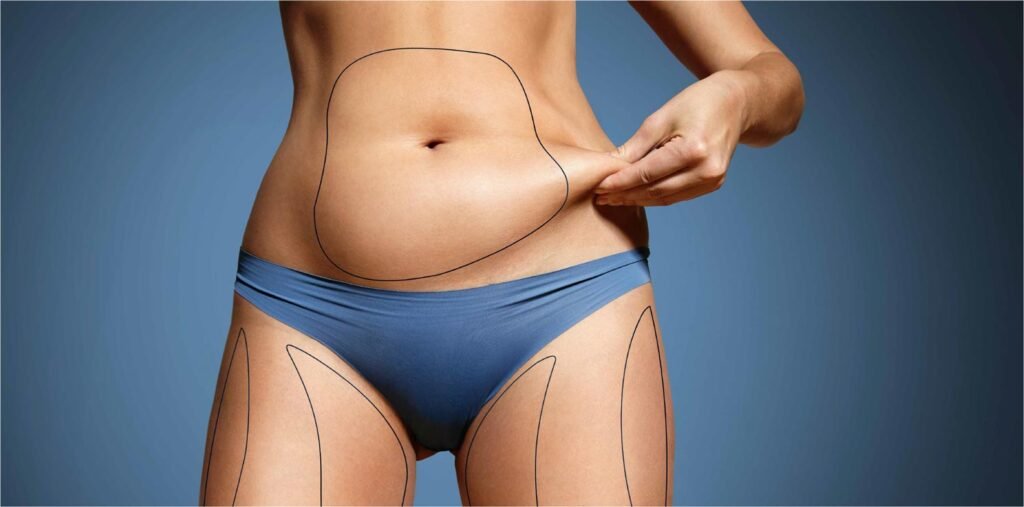
Abdominal appearance is influenced by several factors, including skin elasticity, fat distribution, muscle strength, and the condition of the underlying abdominal wall. Some individuals notice that their stomach remains rounded or protrudes even after maintaining a healthy lifestyle and following regular exercise routines. In certain cases, this appearance may be associated with a condition known as abdominal muscle separation, or diastasis recti.
Understanding muscle separation is an important part of planning abdominal contouring surgery. It helps surgeons evaluate the abdominal wall, determine whether muscle tightening is appropriate, and develop a treatment plan that addresses both excess skin and changes in abdominal structure. This assessment is particularly relevant for individuals considering abdominoplasty after pregnancy, significant weight changes, or ageing.
When exploring Best abdominoplasty Dubai, patients should understand that successful surgical planning involves more than removing loose skin. It also requires evaluating the deeper abdominal structures to determine which techniques may help achieve a balanced and natural-looking abdominal contour.
What Is Abdominal Muscle Separation?
Abdominal muscle separation, medically known as diastasis recti, occurs when the two parallel rectus abdominis muscles move farther apart along the middle of the abdomen. These muscles are connected by a band of connective tissue called the linea alba.
Under normal circumstances, the connective tissue helps maintain the position of the abdominal muscles and supports the abdominal wall. However, when it stretches excessively, the muscles may become separated, creating a visible gap along the centre of the abdomen.
This condition can affect the appearance and function of the abdominal area. Some individuals notice a persistent abdominal bulge, while others experience reduced core stability or difficulty maintaining abdominal tension.
Muscle separation is commonly associated with pregnancy because the growing uterus places increasing pressure on the abdominal wall. However, it can also develop following substantial weight fluctuations, changes in abdominal pressure, or other factors that affect connective tissue.
Understanding this condition before surgery helps establish whether the patient’s concerns are primarily related to excess skin, localised fat, muscle separation, or a combination of these factors.
Why Is Muscle Separation Important Before Abdominoplasty?
Abdominoplasty, commonly known as a tummy tuck, is designed to improve abdominal contours by addressing excess skin and, when appropriate, underlying muscle laxity or separation.
When muscle separation is present, removing loose skin alone may not address the entire concern. The abdomen could continue to appear rounded because the underlying abdominal wall remains stretched.
This is why evaluating the muscles is an important part of the initial surgical consultation.
A surgeon may assess the degree of separation, the condition of the connective tissue, and the overall abdominal structure. These findings help determine whether muscle repair, also known as rectus plication, should form part of the procedure.
The objective is to create a treatment plan that considers the complete abdominal structure rather than focusing exclusively on the visible skin.
Understanding muscle separation also helps patients develop realistic expectations. The most suitable surgical approach depends on individual anatomy, tissue condition, and personal treatment goals.
How Does Muscle Separation Develop After Pregnancy?
Pregnancy is one of the most common circumstances associated with diastasis recti. As the baby grows, the abdominal muscles and connective tissues gradually stretch to accommodate the expanding uterus.
This stretching can cause the rectus abdominis muscles to move apart. Although the abdominal wall may recover to some extent after childbirth, the degree of recovery varies between individuals.
Several factors can influence the development and persistence of muscle separation, including:
- Repeated pregnancies: Multiple pregnancies can place repeated stretching demands on the abdominal wall.
- Changes in connective tissue: Individual differences in tissue elasticity can influence how effectively the abdominal wall returns to its previous condition.
- Abdominal expansion: Significant stretching during pregnancy may contribute to persistent separation.
- Age-related changes: Natural changes in tissue strength and elasticity can affect abdominal support.
- Weight fluctuations: Significant changes in body weight can influence abdominal shape and tissue condition.
Not every individual who has experienced pregnancy develops significant muscle separation. Similarly, not every person with a protruding abdomen has diastasis recti. A professional assessment is necessary to identify the underlying cause.
How Do Surgeons Assess Muscle Separation Before Surgery?
A detailed physical examination is an important starting point when evaluating abdominal muscle separation.
During the consultation, the surgeon reviews the patient’s medical history, previous pregnancies, weight changes, surgical history, and abdominal concerns. This information helps provide a clearer picture of how the abdominal wall may have changed over time.
The physical examination may include assessing the abdominal muscles while the patient performs specific movements, such as gently raising the head or tightening the abdominal muscles.
The surgeon may evaluate:
- The width and location of the separation.
- The firmness and condition of the connective tissue.
- The degree of abdominal protrusion.
- The amount of excess skin present.
- The distribution of remaining abdominal fat.
- The overall strength and condition of the abdominal wall.
In selected cases, imaging such as an ultrasound may help assess the separation more accurately, particularly when the physical examination does not provide sufficient information.
These findings help the surgeon determine whether muscle tightening is appropriate and how it may be incorporated into the overall surgical plan.
What Is Muscle Repair During Abdominoplasty?
Muscle repair, commonly referred to as rectus plication, is a technique that may be performed during abdominoplasty when abdominal muscle separation is present.
The procedure generally involves bringing the separated rectus abdominis muscles closer together and securing them with sutures along the midline. This helps restore a more supportive abdominal wall structure.
The technique does not involve removing the abdominal muscles. Instead, it focuses on tightening the stretched connective tissue that separates them.
Muscle repair may help improve the abdominal profile by reducing the outward prominence associated with muscle separation. It can also contribute to improved abdominal wall support.
However, the technique is not necessary for every patient undergoing a tummy tuck. Individuals with good muscle positioning and concerns mainly related to loose skin may require a different surgical approach.
The decision to perform muscle repair depends on the surgeon’s examination and the patient’s individual anatomy.
How Does Muscle Separation Affect the Final Abdominal Shape?
Muscle separation can have a noticeable influence on abdominal appearance because the rectus muscles help support the front of the abdominal wall.
When these muscles move apart, the abdominal area may develop a rounded or protruding appearance. This can remain noticeable even when the individual has relatively little excess fat.
During abdominoplasty, addressing both the skin and underlying muscle structure may help create a more balanced abdominal contour when both concerns are present.
The final appearance depends on several anatomical factors, including skin elasticity, fat distribution, the extent of muscle separation, and the condition of the surrounding tissues.
It is also important to understand that muscle repair does not automatically produce a completely flat stomach. Natural body structure, tissue characteristics, and individual healing responses all influence the final contour.
A carefully planned procedure aims to improve abdominal proportions while respecting the patient’s existing anatomy.
Who May Benefit From Muscle Tightening During a Tummy Tuck?
Muscle tightening may be considered for individuals who have abdominal muscle separation alongside loose skin or other changes in abdominal contour.
Patients who may benefit from an assessment include:
- Individuals experiencing persistent abdominal protrusion after pregnancy.
- People with noticeable muscle separation following significant weight changes.
- Patients whose abdominal wall appears stretched or weakened.
- Individuals with excess lower abdominal skin and underlying muscle laxity.
- Patients seeking abdominal contour improvement after maintaining a relatively stable weight.
However, the presence of these concerns does not automatically mean that muscle repair is required.
The surgeon must determine whether the separation is significant enough to influence the surgical result and whether the patient is an appropriate candidate for the procedure.
A personalised consultation is therefore essential before selecting a surgical technique.
How Does Muscle Separation Influence the Choice of Abdominoplasty Technique?
Not all patients require the same type of abdominoplasty. The choice of technique depends on the location of excess skin, the condition of the abdominal muscles, and the overall amount of tissue requiring adjustment.
For individuals with substantial loose skin and muscle separation across the abdominal wall, a full abdominoplasty may be considered. This procedure generally addresses the broader abdominal area and may include muscle tightening when indicated.
A mini abdominoplasty may be more appropriate for selected patients whose concerns are mainly concentrated below the belly button. However, its suitability depends on the extent of skin laxity and the underlying muscle condition.
In some cases, additional contouring techniques may be considered depending on fat distribution and individual goals.
The surgeon evaluates these factors together rather than choosing a procedure based solely on the amount of visible loose skin.
For patients researching Best abdominoplasty Cost in Dubai, it is worth understanding that the surgical technique, extent of treatment, and complexity of the individual case can influence the overall treatment plan and associated fees.
What Should Patients Discuss During Their Surgical Consultation?
A detailed consultation allows patients to understand their abdominal condition and the treatment options available to them.
Rather than focusing only on removing excess skin, patients should discuss the condition of their abdominal muscles and whether muscle tightening may be beneficial.
Important topics to discuss include the following:
The extent of muscle separation: Ask whether the abdominal muscles are separated and how significantly this affects the abdominal profile.
The condition of the skin: Discuss whether the loose skin is concentrated below the belly button or extends across the entire abdomen.
The proposed surgical technique: Understand why a particular abdominoplasty approach is being recommended.
Muscle repair requirements: Ask whether rectus plication is necessary and how it may influence the surgical plan.
Expected abdominal contour: Discuss realistic outcomes based on existing anatomy, tissue quality, and personal goals.
Treatment costs: Request a clear explanation of what is included in the proposed treatment and whether additional procedures are being considered.
Having these discussions helps patients make informed decisions and understand the reasoning behind their recommended procedure.
Why Is Personalised Surgical Planning Important?
Every abdomen has a different anatomical structure. Two individuals may have similar amounts of excess skin but very different underlying muscle conditions.
One patient may have significant muscle separation with relatively limited loose skin, while another may have extensive skin laxity without noticeable separation.
These differences influence the surgical approach.
A personalised assessment helps the surgeon determine whether the primary concern involves the skin, abdominal muscles, fat distribution, or several factors together.
It also helps prevent unnecessary procedures by ensuring that the recommended technique is appropriate for the patient’s actual condition.
When considering Best abdominoplasty Dubai, patients should prioritise a consultation that includes a detailed examination of the abdominal wall, clear communication about treatment options, and realistic expectations regarding the outcome.
Conclusion
Understanding abdominal muscle separation is an essential part of planning abdominoplasty for patients who experience abdominal protrusion, loose skin, or changes in their abdominal structure after pregnancy or weight fluctuations.
Diastasis recti can affect the appearance and support of the abdominal wall, meaning that skin removal alone may not address every concern. Through a detailed examination, surgeons can determine whether muscle tightening should be included in the procedure and which abdominoplasty technique is most appropriate.
For individuals considering Best abdominoplasty Dubai, the most important step is understanding their individual abdominal anatomy before making a surgical decision. A personalised treatment plan that evaluates both the external appearance and underlying muscle structure can help establish realistic goals and support a balanced approach to abdominal contouring.
Frequently Asked Questions
1. What is muscle separation in the abdomen?
Muscle separation, also known as diastasis recti, occurs when the two rectus abdominis muscles move apart because the connective tissue between them becomes stretched. It can contribute to abdominal protrusion and changes in core support.
2. Why should muscle separation be assessed before abdominoplasty?
Assessing muscle separation helps the surgeon understand whether the abdominal bulge is related to stretched muscles, excess skin, or a combination of factors. This information supports appropriate surgical planning.
3. Can abdominoplasty correct abdominal muscle separation?
Yes, abdominoplasty can include a technique called rectus plication, which brings separated abdominal muscles closer together using sutures. Whether this technique is appropriate depends on the patient’s anatomy and surgical assessment.
4. Is muscle tightening necessary for every tummy tuck?
No. Muscle tightening is not required for every patient. It is generally considered when noticeable abdominal muscle separation or laxity is present and the surgeon determines that repair may improve the treatment outcome.
5. Can muscle separation develop without pregnancy?
Yes. Although pregnancy is a common contributing factor, muscle separation may also develop in individuals who have experienced significant weight fluctuations, changes in abdominal pressure, or other factors affecting connective tissue.
6. How do surgeons identify diastasis recti?
Surgeons usually begin with a physical examination, assessing the abdominal muscles, connective tissue, and degree of separation. Ultrasound imaging may also be recommended in selected cases to provide additional information.
7. Does muscle repair make the stomach completely flat?
Muscle repair may improve abdominal contour by addressing separation in the abdominal wall. However, it cannot guarantee a completely flat stomach because skin elasticity, fat distribution, natural anatomy, and other individual factors also influence the result.
8. What is the difference between full and mini abdominoplasty?
Full abdominoplasty generally addresses excess skin across a larger area of the abdomen and may include muscle tightening. Mini abdominoplasty focuses mainly on the lower abdomen and is suitable for selected patients with more limited concerns.
9. Does muscle separation affect the cost of abdominoplasty in Dubai?
It can influence the overall treatment plan because muscle repair may add complexity to the procedure. The final cost depends on the surgical technique, individual requirements, and other aspects of the treatment plan.
10. How can I know whether I need muscle tightening during abdominoplasty?
A consultation with a qualified plastic surgeon is the most reliable way to determine whether muscle tightening is appropriate. The surgeon will assess your abdominal muscles, skin condition, tissue elasticity, and aesthetic goals before recommending a procedure.