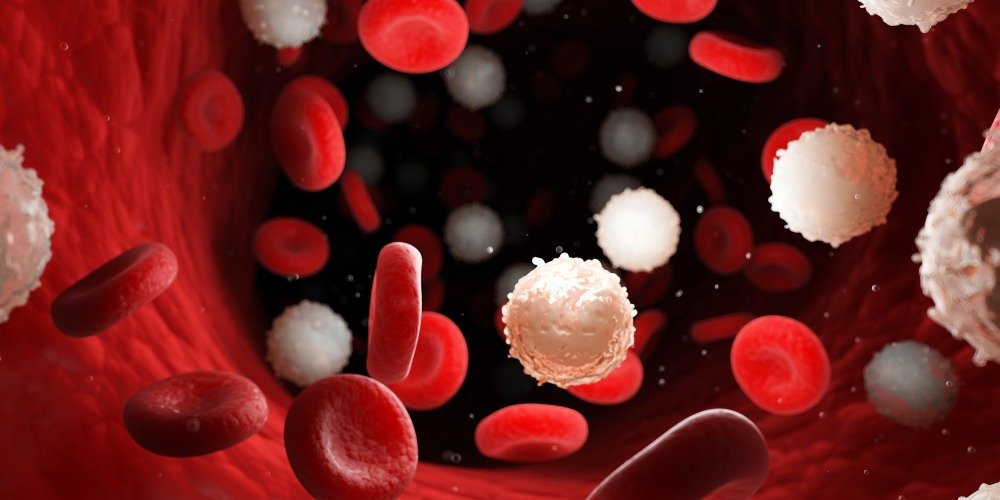
Anemia is a common blood condition that can develop for several different reasons, including low iron levels, vitamin deficiencies, changes in red blood cell production, or other underlying health factors. Because anemia can have different causes, a detailed assessment usually involves more than identifying a low haemoglobin level. Blood tests can provide useful information about red blood cells, haemoglobin, iron stores, vitamin levels, and other markers that help a doctor understand the overall picture.
For people seeking an assessment in the UAE, Anemia Dubai services can include a review of symptoms, medical history, dietary factors, previous test results, and appropriate laboratory investigations. Understanding what blood tests may be reviewed can help patients feel more prepared for their appointment with Dr. Barbara.
Why Are Blood Tests Important When Assessing Anemia?
Blood tests are an important part of evaluating anemia because they provide measurable information about the number, size, and characteristics of blood cells. They can also help identify nutritional factors or other findings that may contribute to changes in haemoglobin levels.
Rather than relying on a single result, a doctor may consider several blood parameters together. This approach can help distinguish between different patterns of anemia and determine whether additional investigation may be appropriate.
The exact tests selected depend on the patient’s symptoms, medical history, age, dietary habits, previous laboratory results, and clinical assessment.
Complete Blood Count During an Anemia Assessment
A complete blood count, commonly called a CBC or full blood count, is often one of the first laboratory tests considered during an anemia assessment.
The test provides information about several components of the blood, including:
- Haemoglobin levels
- Red blood cell count
- Haematocrit
- Mean corpuscular volume
- Mean corpuscular haemoglobin
- Mean corpuscular haemoglobin concentration
- Red cell distribution width
- White blood cells
- Platelets
Haemoglobin is particularly important because it is the protein in red blood cells responsible for carrying oxygen. The red blood cell indices can provide additional information about the characteristics of the cells.
For example, mean corpuscular volume, or MCV, describes the average size of red blood cells. A doctor may use this measurement alongside other results to identify whether the blood picture is associated with smaller, normal-sized, or larger red blood cells.
Haemoglobin and Haematocrit Levels
Haemoglobin and haematocrit are two measurements that may receive particular attention during an anemia evaluation.
Haemoglobin measures the concentration of haemoglobin in the blood, while haematocrit indicates the proportion of blood made up of red blood cells.
These results can be interpreted according to factors such as age and sex, along with the patient’s overall clinical situation. A doctor may also compare current results with previous blood tests to identify whether the values have changed over time.
Looking at trends can be useful because a single laboratory result does not always provide the complete clinical picture.
Red Blood Cell Indices
Red blood cell indices can provide additional information about the characteristics of red blood cells.
MCV, for example, measures average red blood cell size. Other indices may describe the amount of haemoglobin within each red blood cell or the concentration of haemoglobin inside the cells.
RDW, or red cell distribution width, provides information about variation in red blood cell size.
These measurements can help a doctor recognise different patterns that may be associated with particular types of anemia. They are generally interpreted together rather than individually.
Iron Studies and Ferritin Testing
Iron studies may be reviewed when iron deficiency is being considered.
Ferritin is commonly used to assess the body’s stored iron. Other iron-related tests may include serum iron, transferrin, total iron-binding capacity, and transferrin saturation.
These results can help provide a broader understanding of iron availability and storage.
Ferritin can be particularly useful because iron deficiency may develop before substantial changes are seen in some other blood measurements. However, ferritin results are interpreted in the context of the patient’s overall health and other laboratory findings.
During an Anemia Dubai assessment, a doctor may therefore consider both the complete blood count and relevant iron studies when determining whether iron status requires further attention.
Vitamin B12 and Folate Tests
Vitamin B12 and folate are important nutrients involved in normal red blood cell production. If a blood test suggests larger-than-average red blood cells, a doctor may consider checking these vitamin levels.
Vitamin B12 testing can help assess whether the body has an adequate supply of this nutrient. Folate testing can provide information about folate status.
Dietary patterns, certain medications, digestive conditions, and other factors may influence vitamin levels. For this reason, laboratory findings may be reviewed alongside the patient’s medical and nutritional history.
Reticulocyte Count
A reticulocyte count measures young red blood cells in the bloodstream.
Reticulocytes are newly produced red blood cells released by the bone marrow. Measuring them can provide information about how actively the bone marrow is producing new red blood cells.
A doctor may consider a reticulocyte count when evaluating an abnormal blood count or trying to understand how the body is responding to changes in red blood cell levels.
This test can add useful information when interpreted alongside the CBC and other laboratory findings.
Peripheral Blood Smear
In some situations, a peripheral blood smear may be considered.
During this test, a sample of blood is examined under a microscope to evaluate the appearance of individual blood cells. A laboratory professional can assess characteristics such as red blood cell size, shape, colour, and variation.
The appearance of blood cells can provide additional information when the results of a standard blood count require further evaluation.
A blood smear is not necessarily required for every person being assessed for anemia. The decision depends on the findings from the initial assessment.
Kidney Function Tests
Kidneys play an important role in the production of red blood cells because they produce erythropoietin, a hormone that helps signal the bone marrow to make red blood cells.
For this reason, kidney function may be reviewed when assessing certain patterns of anemia.
Blood tests such as creatinine and other measures of kidney function can provide information about how effectively the kidneys are working.
If the patient’s medical history or other findings indicate that kidney function should be evaluated, these tests may form part of the broader laboratory assessment.
Thyroid Function Testing
Thyroid function may also be considered in selected patients.
Thyroid hormones influence several processes throughout the body, and thyroid disorders can sometimes be associated with changes in blood counts.
A doctor may request thyroid-related blood tests when the patient’s symptoms, medical history, or other laboratory findings make this relevant.
The choice of thyroid tests depends on the individual clinical situation rather than being automatically required for every anemia assessment.
Reviewing Previous Blood Test Results
An anemia assessment does not always begin with a completely new set of laboratory tests.
If a patient has recently had blood work, the doctor may review those results during the appointment. Previous CBCs, iron studies, vitamin measurements, kidney function tests, and other relevant investigations may provide useful information.
Comparing older and newer results can show whether blood measurements have remained stable or changed over time.
Patients attending an appointment may therefore benefit from bringing previous laboratory reports or making them available to the doctor.
How Symptoms Relate to Blood Test Results
Symptoms can provide important context when laboratory results are being interpreted.
People with anemia may report symptoms such as tiredness, reduced energy, dizziness, headaches, shortness of breath during activity, or difficulty concentrating. However, symptoms can vary considerably between individuals.
A doctor may ask when symptoms began, whether they have changed, and whether they occur during specific activities.
The laboratory findings are then considered alongside this information rather than being interpreted separately.
Medical History and Blood Test Interpretation
Blood test results are only one part of an anemia assessment. Medical history can help provide context for laboratory findings.
A doctor may ask about:
- Previous anemia or blood test abnormalities
- Dietary habits
- Menstrual history where relevant
- Previous medical conditions
- Digestive health
- Current and recent medications
- Vitamin or mineral supplements
- Previous procedures
- Family medical history
- Recent changes in general health
This information can help determine which laboratory tests may be useful and how existing results should be interpreted.
Dietary Factors and Nutritional Blood Tests
Diet can influence the body’s supply of nutrients required for normal red blood cell production.
Iron, vitamin B12, and folate are particularly relevant nutrients when evaluating certain patterns of anemia.
A doctor may therefore ask about the patient’s usual diet, dietary restrictions, appetite, and use of nutritional supplements.
If a nutritional deficiency is suspected, appropriate blood tests can provide objective information that complements the dietary history.
How Anemia Cost in Dubai May Depend on the Assessment
Patients researching Anemia Cost in Dubai may notice that the price of an assessment can vary depending on the services included.
The overall cost may depend on factors such as the consultation, laboratory investigations, number of tests requested, and whether additional follow-up is required.
Not every patient needs the same collection of blood tests. A doctor may select investigations according to symptoms, medical history, previous results, and the findings from the initial assessment.
For this reason, discussing the planned assessment with the clinic can provide a clearer understanding of the expected costs.
What to Bring to an Anemia Appointment
Preparing relevant information before an appointment can make the assessment more efficient.
Patients may consider bringing:
- Previous blood test reports
- Current medication details
- Information about vitamin or mineral supplements
- Relevant medical records
- A list of symptoms
- Information about dietary habits
- Details of previous anemia evaluations
Having these details available can help the doctor understand the patient’s history and decide which investigations may be appropriate.
Anemia Assessment with Dr. Barbara
At Dr. Barbara, an anemia assessment can involve reviewing symptoms, medical history, previous laboratory results, and relevant blood tests.
The assessment can be tailored according to the individual rather than relying on a standard set of investigations for every patient. Depending on the clinical picture, this may include a complete blood count, iron studies, vitamin testing, reticulocyte count, or other laboratory investigations.
The purpose of reviewing these results is to understand the patient’s blood profile and identify information that may help guide the next stage of assessment.
Conclusion
Blood tests provide valuable information when evaluating anemia and can help a doctor understand changes in haemoglobin, red blood cells, iron status, vitamin levels, and other relevant markers. A complete blood count is commonly an important starting point, while additional investigations such as ferritin, iron studies, vitamin B12, folate, reticulocyte count, kidney function, thyroid testing, or a peripheral blood smear may be considered depending on the individual situation.
For patients searching for Anemia Dubai, a personalised assessment can help ensure that laboratory results are interpreted alongside symptoms, medical history, dietary factors, and previous test results. Dr. Barbara can review the available information and determine which investigations may be appropriate for the patient’s assessment.
Understanding the purpose of different blood tests can also help patients feel more informed when discussing their results and next steps with their doctor.
FAQs
What is the first blood test usually reviewed for anemia?
A complete blood count is commonly an important initial test. It provides information about haemoglobin, red blood cells, and several red blood cell indices that help describe the blood profile.
Does an anemia assessment always require several blood tests?
Not necessarily. The tests selected depend on the patient’s symptoms, medical history, previous results, and findings from the clinical assessment.
What does a complete blood count show?
A complete blood count provides information about haemoglobin, red blood cells, white blood cells, platelets, and several measurements describing red blood cell characteristics.
Why is ferritin tested during an anemia assessment?
Ferritin provides information about the body’s stored iron. It may be reviewed when iron deficiency is being considered.
Are vitamin B12 and folate tested for anemia?
They may be tested when the clinical assessment or blood count suggests that a vitamin-related cause should be considered, particularly when red blood cells are larger than usual.
What is an MCV blood test?
MCV stands for mean corpuscular volume. It describes the average size of red blood cells and can help doctors identify different patterns in a blood count.
What is a reticulocyte count?
A reticulocyte count measures young red blood cells in the bloodstream. It can provide information about the body’s production of new red blood cells.
Can previous blood tests be reviewed during an anemia appointment?
Yes. Previous laboratory reports can be useful because they allow a doctor to compare current findings with earlier results and identify changes over time.
Are kidney function tests part of every anemia assessment?
No. Kidney function testing may be considered when the patient’s symptoms, medical history, or blood results indicate that it could provide useful information.
Why might thyroid tests be considered?
Thyroid function can influence several processes in the body, and thyroid-related blood tests may be considered when the clinical picture makes them relevant.
What is a peripheral blood smear?
A peripheral blood smear involves examining blood cells under a microscope. It can provide additional information about the size, shape, and appearance of red blood cells.
Can diet affect anemia-related blood tests?
Diet can influence nutrients such as iron, vitamin B12, and folate, which are involved in normal red blood cell production. Dietary information may therefore be discussed during an assessment.
What information should I provide to the doctor?
It can be helpful to provide previous blood test results, medication details, supplement information, relevant medical history, symptoms, and dietary information.
How is anemia assessed at Dr. Barbara?
An assessment may include a review of symptoms, medical history, previous laboratory results, and appropriate blood tests. The investigations can be selected according to the individual’s clinical situation.
How much does anemia assessment cost in Dubai?
Anemia Cost in Dubai can vary depending on the consultation and laboratory investigations required. The exact cost is best confirmed with the clinic based on the planned assessment.