Most people shopping for work boots in Canada know what a steel toe is. But a regular steel toe boot leaves the top of your foot exposed.
Picture a heavy pipe rolling off a rack and landing across your foot. Your toes might be fine, but the long bones across the top of your foot, called the metatarsals, have very little padding. A break there is painful and slow to heal.
So how do you know if your job needs more than a toe cap? Metatarsal work boots cover that gap, and this guide explains what they are and when to wear them.
What Metatarsal Work Boots Actually Protect
Your metatarsals are the five long bones across the top of your foot, between your toes and your ankle. They sit close to the skin with very little padding, so a heavy hit can crack them. Plenty of work boots Canada workers wear only have a toe cap. Metatarsal work boots add a rigid guard over the top of the foot as well.
- Covers the instep: A toe cap only protects the front. The guard stretches that protection back toward your ankle.
- Spreads out the force: Instead of one spot taking the whole hit, the guard shares it across a wider area.
- Works with your toe cap: These boots also have Grade 1 toe protection, so your toes and instep are both covered.
- Comes in two styles: Internal guards are built into the boot and look like regular work boots. External guards sit on the outside and often flex as you walk.
How to Spot a CSA-Certified Metatarsal Boot
If you’re buying work boots in Canada, look for CSA Z195 certification. Here’s what to check on the boot itself.
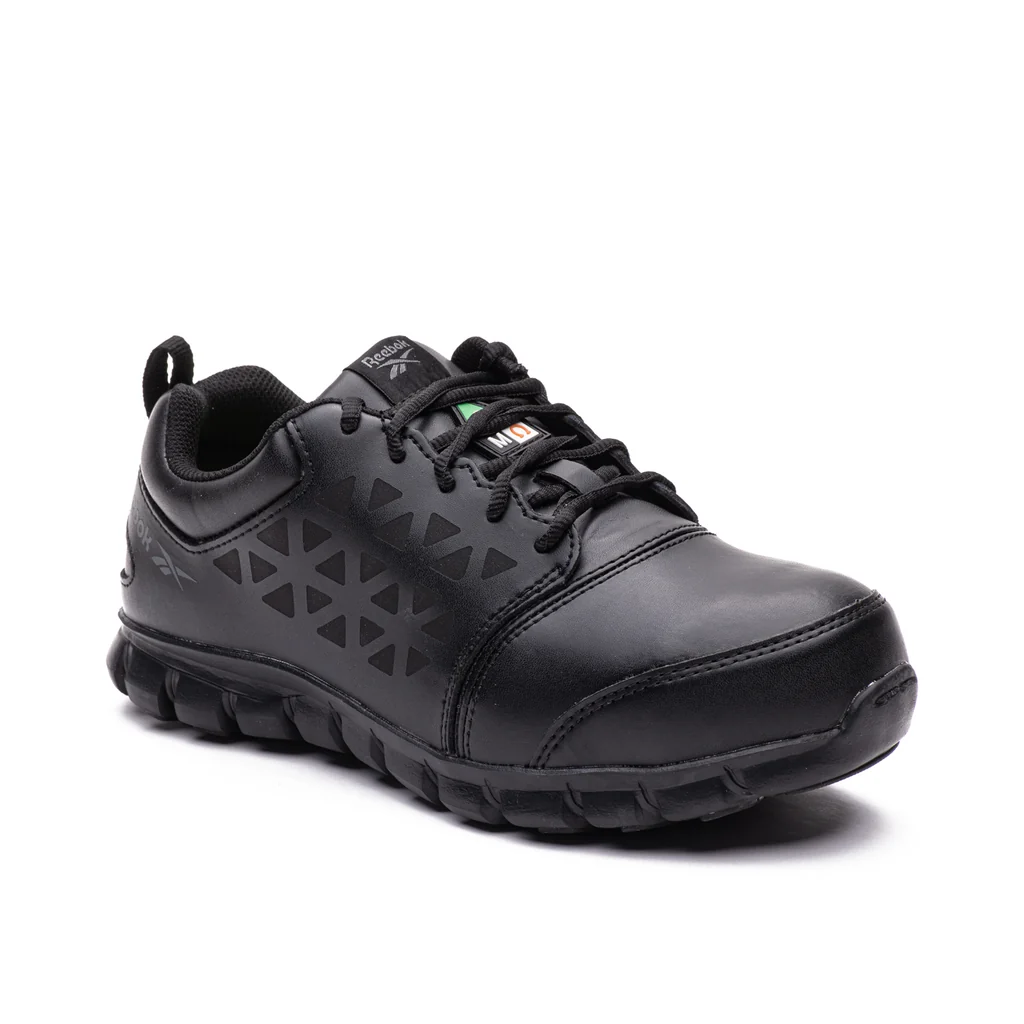
- The “M” patch: Look for a dark grey rectangle with the letter M. That’s the mark for metatarsal protection.
- The location: CSA markings sit on the outer side or the tongue of the right boot.
- The toe rating: Metatarsal boots must also have Grade 1 toe protection, so your toes are covered too.
- The impact rating: Guards are rated to withstand impacts up to 101.7 joules.
Check the label before you buy. A guard without certification isn’t one you can count on. Workplace safety rules across Canada require CSA-certified footwear where foot hazards exist, so the mark matters on the job.
When You Should Wear Metatarsal Work Boots
Jobs and Worksites That Call for Them
Metatarsal protection makes sense anywhere heavy things can drop, roll, or swing near your feet. A falling steel plate or a rolling pipe doesn’t aim for your toes. That covers a lot of ground in the work boots Canada crews rely on every day.
- Metal fabrication and heavy manufacturing
- Foundries and steel work
- Demolition and heavy construction
- Pipe handling and industrial maintenance
- Loading docks and warehouses that move heavy, awkward loads
If your day involves any of these, a toe cap alone may not be enough.
Signs Your Current Boots Aren’t Enough
Think about the last time something nearly landed on your foot. If it missed your toes but would’ve hit the top of your foot, that’s a warning worth taking seriously. The same goes for a hazard assessment at work that lists instep impact as a risk.
Plenty of people only think about metatarsal protection after they’ve been hurt. That’s a hard way to learn. Being careful won’t always save you, because most drops happen fast and without warning.
Not sure what your site needs? Ask your supervisor or safety lead. Requirements depend on the workplace and the hazards on it.
The Upsides and the Trade-Offs
What You Gain
The biggest win is simple: a part of your foot that’s usually exposed gets real cover. That means a lower chance of a serious injury and fewer days lost to recovery. On a busy site, it also means one less thing to worry about. For the work boots Canada crews wear, that peace of mind is often the real payoff.
What You Give Up
These boots are heavier than regular safety boots. The guard can feel stiff across the top of your foot, and the break-in period tends to run longer. They cost more too. In summer, they can run hot.
Someone on their feet for a ten-hour shift will feel the weight more than someone doing short tasks. But when the hazard is real, the trade-off is usually worth it.
Tips for Choosing Work Boots That Fit the Job
Before you buy work boots in Canada, run through these quick checks.
- Fit: Try them on with your work socks. The guard shouldn’t press when you crouch.
- Weather: Choose insulated, waterproof pairs for winter.
- Sole: Choose slip-resistant soles for wet or icy ground.
- Break-in: Wear new boots for a few short shifts first.
- Replace: Replace them after a heavy hit.
Conclusion
Metatarsal work boots cover the part of your foot that a toe cap leaves open. They carry the CSA “M” mark, include Grade 1 toe protection, and suit jobs where heavy objects can fall, roll, or swing near your feet.
They aren’t for everyone. The extra weight and cost only make sense when the risk is real, so it helps to look at what your day on the job actually involves. Your safety lead can help you decide.
Whatever you choose, make sure the boots are CSA-certified and fit well enough to wear all shifts. The right pair of work boots Canada workers trust should feel secure, protect what’s exposed, and let you focus on the job instead of the next thing that might drop.