Digging pays the bills, but it doesn’t always pay enough. Some weeks you’re slammed, other weeks the phone doesn’t ring and the machine just sits there, costing you money anyway. Every operator I know has been through that slow stretch at least once.
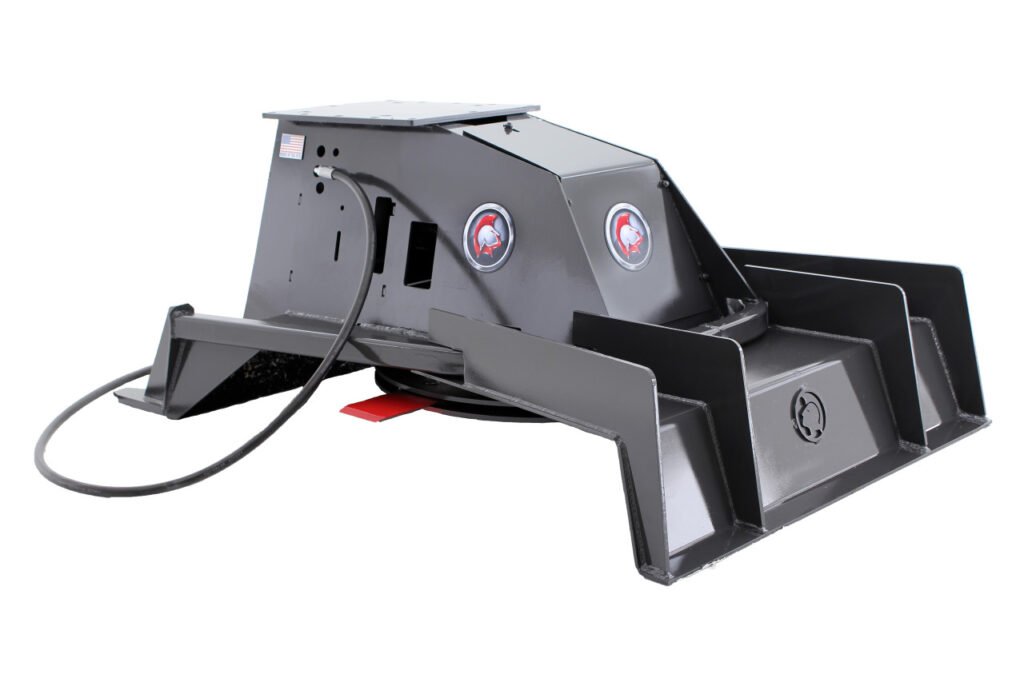
That’s why more guys are bolting a brush cutter mini excavator setup onto the machine they already own. Same excavator, same operator, but suddenly you’re offering a service that most of your competitors don’t. Clearing overgrown lots, fence lines, ditch banks, rough acreage. People need it done, and they’ll pay for it, usually without haggling as much as they do on dig work.
The Problem With Living on Buckets Alone
A bucket does one thing well. It digs. And when excavation work slows down, because of weather, a bad housing quarter, or just plain bad luck, your income slows down right with it. You still have the loan payment, the insurance, the fuel for trips that go nowhere.
Adding a second revenue stream isn’t about working harder. It’s about making the machine earn in the weeks it’d otherwise be parked. Clearing work doesn’t care what the construction market is doing, brush grows either way.
Why Clearing Work Pays Better Than People Expect
Here’s the thing, a lot of property owners can’t do this themselves. They don’t have the equipment, or the time, or honestly the patience. So they call someone. That someone could be you.
Landowners with overgrown back acres, developers prepping a site, farms with fence rows going wild, they all hire it out. Municipal and county buyers need roadsides and drainage ditches kept open, and they’d rather work with a local operator than wait on a big contract. And because clearing is repeat work, one good customer can turn into a standing job every year. Brush doesn’t stay cut.
What Makes the Mini Excavator a Good Fit
You’ve got reach, and that matters more than you’d think. The boom lets you work down embankments, along creek edges, around trees, places where a tractor or skid steer would just struggle to get positioned. Tracks keep you steady on slopes. And the compact size gets you through gates and narrow trails that bigger machines can’t touch.
Not many operators think of their excavator as a clearing machine. They should.
Picking the Right Cutter Without Overspending
Match is everything here. Your machine’s hydraulic flow and pressure need to line up with what the cutter wants, otherwise it bogs down, and you’ll chew through hoses and seals faster than you’d like. For most mini excavators, a standard flow unit does the job fine. You don’t need to chase high flow just because it sounds impressive.
Check the cutting width against the jobs you’ll actually take. Wide is great in open ground, but it’s a pain on narrow trails. And look at how the rotor and blades are built, because brush with dirt and the occasional rock will wreck a cheap head quick. Spartan Equipment builds theirs for that kind of daily beating, which is kind of the point when you’re charging customers by the hour.
Running It Smart So You Actually Make Money
Time is money, obviously. Work in steady passes instead of trying to swallow everything at once, and let the cutter do the work. Forcing it just wears the head and the hydraulics out faster. On slopes, going top down helps, and it’s safer too.
Walk the ground first. Pull out metal, big rocks, old wire if you spot it. Keep people back, debris can fly. And check your blades before each job, a dull cutter leaves ugly stumps and makes the whole thing take longer than it should. Customers notice ugly work.
Does the Math Work Out?
For most operators who have regular clearing demand, yeah. A few paid jobs can cover a big chunk of the attachment cost, and after that it’s mostly fuel and upkeep. Even if you only take on clearing work a few times a year, it fills gaps in your schedule that would otherwise be dead time.
A good mini excavator attachment also doesn’t lock you into one job. Same machine clears brush Monday, digs a trench Tuesday, so you’re spreading the cost across more work. That flexibility is really the whole appeal.
Wrapping It Up
Operators aren’t leaving buckets behind, they’re just refusing to depend on them completely. Adding a brush cutter mini excavator setup gives you another way to get paid, work that doesn’t depend on the construction cycle, and a service people actually keep calling you back for. If your machine’s sitting idle too often, picking up the right mini excavator attachment is probably the easiest fix.
Spartan Equipment is running 25% OFF SITEWIDE with code DIESEL25 this October, so if you’ve been on the fence, it’s a decent time to make the move before winter slows everything down.