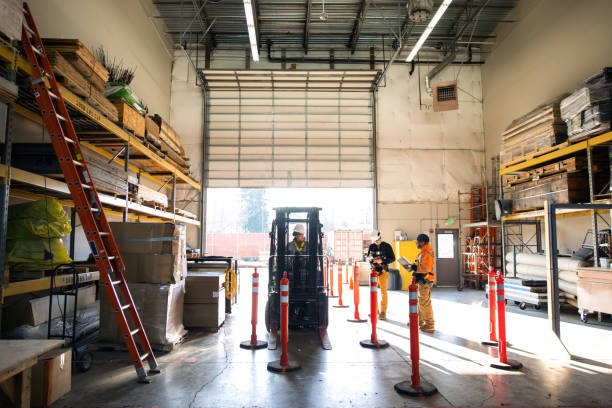
Most businesses that run equipment don’t think twice about who’s operating it. Someone’s done the job before, they show the new hire, and that becomes the process. It’s common. And it works, until it doesn’t.
How do you even know when those habits have crossed into real liability? Experience on the job isn’t the same as certified training, and in Canada, that difference matters more than most business owners realise.
This article walks through the specific situations where looking at operator training packages stops being optional and starts being the only sensible move for your operation.
What Operator Training Actually Covers
- First, it’s not just a general safety briefing. Operator training is equipment-specific, so workers get trained on the exact machine they’ll be running, whether that’s a forklift, scissor lift, boom lift, skid steer, or an overhead crane.
- A proper operator training package combines two things: theory and hands-on practical. The theory side covers hazard awareness, load limits, and pre-use inspections. Then comes a practical evaluation with a qualified trainer who confirms the operator can actually handle that machine safely.
- Finally, there’s documentation. A trained operator leaves with a certification record, and that paper trail is exactly what protects a business when a safety inspector or an insurance adjuster starts asking questions.
The Obvious Triggers Most Businesses Miss Until It’s Too Late
Most businesses don’t skip operator training on purpose. They just don’t realise the moment has already passed them by. Here are three real situations that should’ve triggered a training conversation but typically don’t.
You’ve Added New Equipment to the Worksite
Bringing in a new machine doesn’t mean experienced operators can just figure it out. Different equipment has different controls, different load capacities, and different blind spots. So prior experience on a similar machine isn’t a legal substitute for proper, equipment-specific training under Canadian OHS regulations. Each piece of powered equipment comes with its own risks.
You’ve Hired New Staff or Expanded Seasonally
Warehouses, construction crews, and logistics operations often bring on staff fast, especially in busy seasons. The usual approach? Have someone experienced show the new hire the ropes. But peer-taught habits aren’t the same as certification, and they won’t hold up if a Ministry of Labour inspector shows up. High-turnover environments carry extra risk here, and that gap is where most small businesses get caught off guard.
You’ve Had a Near-Miss or an Incident
This one’s the most telling. And if something almost went wrong on your site, training documentation is the very first thing a safety inspector will ask for. An incident, even a minor one, changes what’s expected of your business overnight. Waiting until that point to look into operator training packages is exactly the situation these programs are built to prevent.
Where Canadian Law Draws the Line on Operator Training
Most business owners assume that if nothing bad has happened, they’re probably fine legally. That’s not how Canadian occupational health and safety law sees it. Regulations vary by province, so it’s always worth verifying specific requirements with the relevant provincial authority.
Ontario’s Industrial Establishments Regulation (O. Reg. 851)
In Ontario, forklift and powered equipment use falls under the Occupational Health and Safety Act, specifically O. Reg. 851. That regulation requires operators to be trained and competent before touching any machine. And “competent” doesn’t mean familiar with the equipment. It means trained, evaluated, and documented with records a business can actually produce on request.
Alberta and British Columbia Follow the Same Standard
In Alberta, the OHS Act puts the responsibility on employers to confirm workers are properly trained before operating powered mobile equipment. WorkSafeBC in British Columbia takes the same approach. So regardless of the province, the expectation is consistent: certified operators and documented proof to back it up.
What Happens When You Can’t Produce the Records
This is where it gets real. If a Ministry of Labour inspector shows up and asks for operator training records, a verbal explanation won’t cut it. Documented competency means a certification record, a practical evaluation on file, and a date attached to it. Without that paper trail, the business is legally exposed, no matter how long the operator has been on the job.
What a Proper Operator Training Package Actually Includes
- It starts with a theory component. This covers the knowledge side of things: hazard recognition, equipment-specific controls, load limits, and what to check during a pre-use inspection. Some providers deliver this in a classroom setting, others online.
- Next comes the practical evaluation. A qualified trainer works directly with the operator on the actual equipment to confirm they can handle it safely in real conditions, not just answer questions correctly on paper.
- After that, documentation gets issued. A proper certification record ties the operator’s name to a specific machine, with a date and an expiry. Most certifications run for three years, though some insurers and employers set their own recertification timelines.
- Finally, reputable operator training packages keep records on file. That matters when an audit, a claim, or an insurance review comes up unexpectedly.
The Bottom Line on Operator Training
For most businesses running powered equipment, the triggers covered here aren’t future possibilities. They’re already showing up in daily operations, through new hires, expanding fleets, or that near-miss nobody fully talked about afterward.
Operator training packages exist for exactly this reason. They give businesses a clear, structured, documented way to certify their people before the wrong situation forces that conversation.