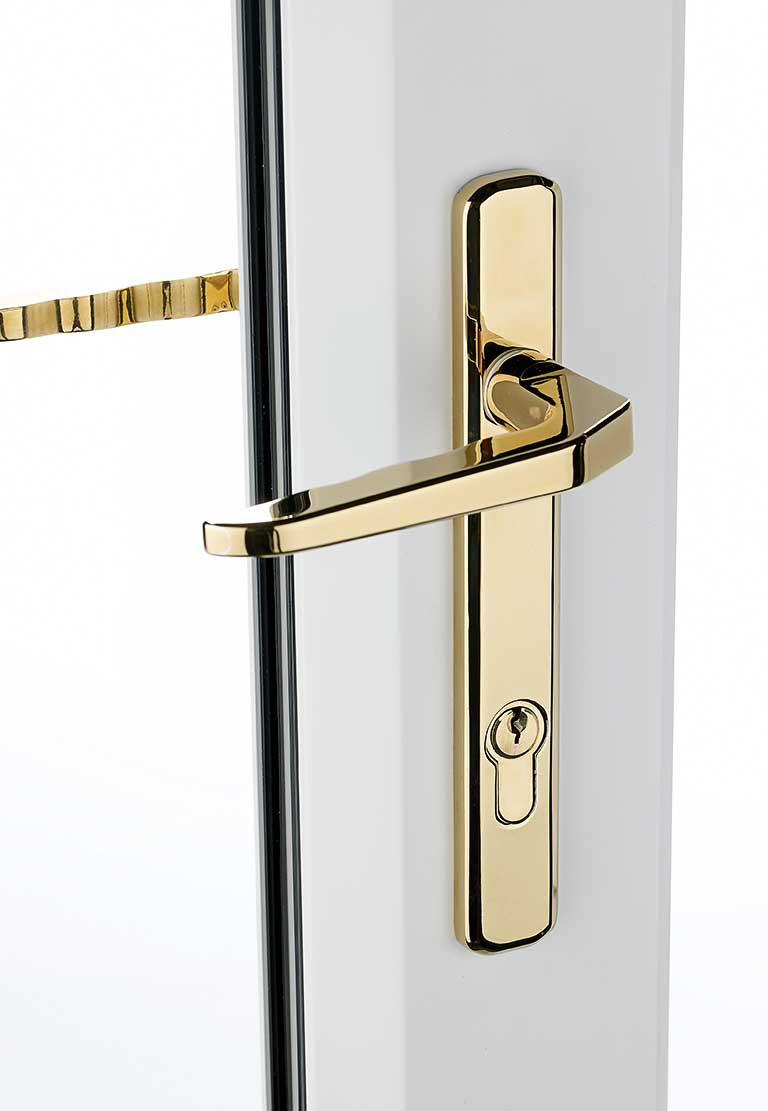
Installing a new door knob may seem like a straightforward home improvement task, but even small mistakes can affect the security, appearance, and functionality of your door. Whether you’re replacing an old handle or fitting a new one, paying attention to the installation process is essential. A properly fitted uPVC door knob improves daily use, extends the life of the hardware, and helps maintain the overall performance of the door.
Many homeowners attempt the installation themselves to save time and money. While this is possible with the right tools and preparation, overlooking key details often leads to loose fittings, alignment issues, or premature wear. Understanding the most common mistakes can help you complete the job correctly the first time.
Choosing the Wrong Door Knob
One of the biggest installation errors starts before the work even begins. uPVC door knob is designed to fit every door. Selecting the wrong size, style, or mechanism can create compatibility problems that are difficult to fix later.
Before purchasing replacement hardware, measure the existing hole diameter, backset, and door thickness. Compare these measurements with the manufacturer’s specifications to ensure a proper fit. Buying a product simply because it looks attractive may result in unnecessary modifications or poor performance.
Ignoring the Manufacturer’s Instructions
Many people skip the instruction manual, assuming all door knobs are installed the same way. However, different manufacturers use unique mounting systems, screws, and internal mechanisms.
Reading the installation guide carefully helps prevent assembly errors and ensures each component is installed in the correct order. Spending a few extra minutes reviewing the instructions can save hours of troubleshooting later.
Using the Wrong Tools
Installing hardware with unsuitable tools often causes scratches, stripped screws, or damaged finishes. A basic toolkit is usually enough for most installations, but each tool should match the fasteners provided.
Commonly needed tools include:
- Phillips screwdriver
- Flat-head screwdriver
- Measuring tape
- Pencil for marking
- Drill with appropriate bits if new holes are required
- Spirit level for alignment
Using power tools with excessive force can damage delicate hardware or over-tighten screws.
Failing to Check Door Alignment
Sometimes the issue isn’t the hardware at all. If the door is sagging or misaligned, installing a new knob will not solve the problem.
Before beginning the installation, inspect the hinges and confirm that the door closes evenly against the frame. If the door rubs the frame or doesn’t latch correctly, address those problems first. Installing hardware on an uneven door often leads to sticking, excessive wear, and locking difficulties.
Incorrect Hole Measurements
Accurate measurements are critical for a successful installation. Even slight measurement errors can prevent the latch from operating smoothly.
Always verify:
- Distance from the edge of the door
- Height of the existing knob
- Diameter of mounting holes
- Latch position
Measure twice before drilling any new holes. Repairing incorrectly drilled holes is time-consuming and may affect the appearance of the door.
Over-Tightening the Screws
Many installers assume tighter screws mean a stronger installation. In reality, excessive tightening can create several problems.
Over-tightened screws may:
- Distort internal components
- Crack plastic trim pieces
- Damage screw threads
- Restrict smooth knob rotation
Tighten screws until the hardware feels secure without forcing them beyond resistance.
Leaving Screws Too Loose
The opposite mistake is equally common. Loose screws allow movement between the knob and the door surface.
Over time, this movement increases wear on both the hardware and the door itself. Periodically checking screw tightness after installation helps maintain stability and prevents future problems.
Forgetting to Test the Latch
Many people finish installation and immediately consider the job complete without testing the mechanism.
Always perform several checks before putting the door back into regular use:
- Turn the knob multiple times.
- Open and close the door repeatedly.
- Confirm the latch retracts smoothly.
- Ensure the latch fully extends when released.
- Verify the door closes without resistance.
Testing immediately allows small adjustments before everything is fully tightened.
Installing the Latch Backwards
A surprisingly common mistake is inserting the latch in the wrong direction. Most latches include an angled face designed to slide smoothly into the strike plate.
If installed backwards, the door may become difficult to close, requiring extra force each time. Always ensure the beveled side faces the direction the door closes.
Misaligning the Strike Plate
Even when the knob is installed perfectly, a poorly aligned strike plate can cause locking problems.
After installation, confirm that:
- The latch enters the strike plate cleanly.
- The door closes without pushing or lifting.
- The lock engages fully.
- There is no rubbing against the frame.
Minor strike plate adjustments often solve issues that appear to be hardware defects.
Neglecting Regular Maintenance
Installation is only the beginning. Even the best-quality hardware benefits from occasional maintenance.
Routine care includes:
- Cleaning dirt from moving parts
- Tightening loose screws
- Applying a suitable lubricant when needed
- Inspecting for signs of corrosion or wear
Simple maintenance helps extend the lifespan of the hardware and ensures reliable operation.
Using Low-Quality Replacement Parts
Choosing the cheapest available hardware may reduce upfront costs, but poor-quality materials often wear out much faster.
Quality replacement components generally offer:
- Better corrosion resistance
- Smoother operation
- Improved durability
- More secure fastening systems
- Longer service life
Investing in reliable products usually reduces future repair expenses.
Ignoring Weather Protection
Exterior doors are constantly exposed to changing weather conditions. Moisture, dust, sunlight, and temperature fluctuations all affect hardware over time.
Choosing weather-resistant finishes and keeping moving parts clean helps prevent rust, sticking, and premature deterioration. In regions with heavy rain or coastal conditions, selecting corrosion-resistant materials becomes even more important.
Forgetting Final Safety Checks
Before considering the project complete, perform one final inspection of the entire installation.
Check that:
- All screws are secure.
- The knob turns smoothly.
- The latch functions correctly.
- The lock operates without sticking.
- The door opens and closes effortlessly.
A few minutes spent on final testing can prevent future inconvenience and improve long-term reliability.
Conclusion
Proper installation plays a major role in the performance and longevity of any door hardware. Rushing the process or overlooking small details often results in unnecessary repairs, poor operation, and reduced security. By selecting compatible hardware, following installation instructions carefully, using the correct tools, and testing every component before finishing, homeowners can avoid the most common problems.
Taking a careful, methodical approach ensures your uPVC door knob operates smoothly for years to come. Whether you are completing a DIY project or supervising professional installation, understanding these common mistakes helps protect your investment while keeping your door secure, functional, and attractive.