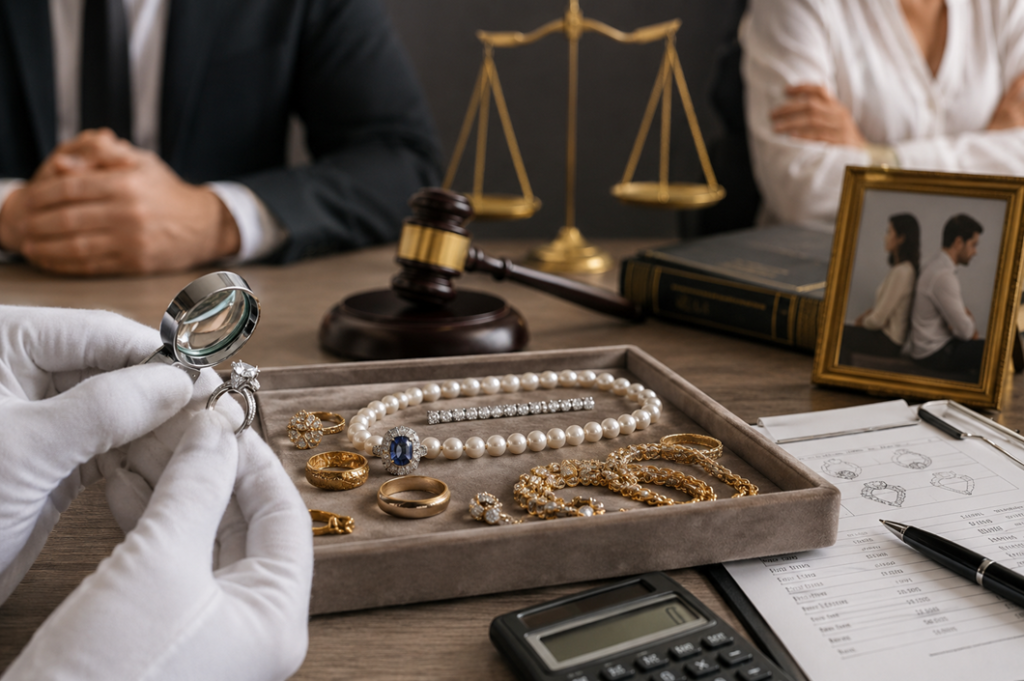
Divorce can get pretty complicated, more so when it comes to sorting out valuable assets. And jewellery, well, it can be tricky because it usually has that double meaning, financial and personal, in a way that makes a fair assessment feel hard. It might be an engagement ring, a family heirloom tucked away for years, a luxury watch, or even investment-grade gemstones. In all those cases, you really need a solid jewellery valuation, because otherwise the result can feel uneven.
In court situations, professional jewellery valuations give an independent read on how much something is worth, so both sides can work toward a settlement that feels fair and is grounded in real market data, not just personal opinions. If divorcing couples understand the way valuation experts figure out the true value, it helps everyone make steadier choices, and it can also prevent unnecessary wrangles that drag on longer than they should.
Why Jewellery Matters in Divorce Settlements?
Jewellery is often included in the marital asset division because many pieces reflect a genuine monetary commitment. Sometimes they’ve also grown in value over time due to rarity, brand standing, or those price shifts in precious metal and gemstone markets.
When people start talking about jewellery in divorce settlements, courts and legal professionals usually want objective evidence, not just opinions. And without a professional valuation report, things get messy, like arguments about who owned what, the true worth, or how the assets should be split.
A certified valuation report helps; it can show the following:
● The current market value of jewellery items
● A balanced distribution of marital assets
● Clarity during negotiations 
● Proper records for legal proceedings
● Less chance of disputes later on
What Is a Professional Jewellery Valuation?
A professional jewellery valuation is basically a formal appraisal done by a qualified valuer. They examine and appraise jewellery using a range of criteria. After that, you receive a report that includes a clear description of each item, plus an estimated value depending on why you’re valuing it in the first place.
Valuation experts typically look at the following:
● Precious metal content and purity
● Gemstone quality and characteristics
● Craftsmanship details
● Brand or designer influence
● Condition, wear, and ageing
● Current market demand
● Historical significance
Overall, the valuation process is meant to ensure that the important factors are considered before a fair and defensible value is determined.
How Valuation Experts Determine True Value?
1. Physical Examination
The first step is basically a careful look at the jewellery item. Valuers do a thorough inspection, using specialised equipment to study gemstones, check precious metals, and confirm authenticity.
During this stage, experts often write down things like:
● Weight
● Dimensions
● Hallmarks
● Metal purity
● Gemstone characteristics
● Manufacturing details
For trustworthy jewellery valuations, proper documentation really becomes the basis.
2. Gemstone Assessment
In a lot of pieces, gemstones are the main driver of the price. Diamonds, sapphires, emeralds, and rubies get evaluated using standards that are recognised internationally.
They focus on things such as:
● Carat weight
● Colour
● Clarity
● Cut quality
● Origin, if it applies
And yes, even small changes in quality can swing the overall valuation quite a bit.
3. Precious Metal Analysis
Gold, platinum, silver, and other precious metals are assessed by purity and weight. Market prices move fairly often, so using the most current pricing data matters a lot when figuring value.
The valuer typically determines the following:
● Metal type
● Purity level
● Total weight
● Current market rates
That way, the valuation stays aligned with today’s market conditions.
4. Market Research
Valuation professionals compare similar items that are being sold right now. They look at auction results, dealer inventories, retail pricing, and industry databases.
This helps establish the following:
● Replacement value
● Market value
● Resale value
For jewellery in a divorce settlement, the market value is usually the most relevant number, since it mirrors what a willing buyer would reasonably pay.
5. Brand and Provenance Considerations
Luxury brands such as Cartier, Tiffany & Co., Van Cleef & Arpels, and Bulgari might earn a premium price due to reputation, plus demand.
Provenance can also play a role. Jewellery with historical importance, celebrity ownership, or documented heritage may end up worth far more than similar pieces that don’t have that kind of background.
The Importance of Independent Jewellery Valuations
The importance of independent jewellery valuations really can’t be overstated, because it gives both parties a straight line, unbiased assessment. And yeah, emotions tend to creep in and kinda mess with how people see value, especially during divorce proceedings, so professional expertise becomes pretty critical, no question.
There are a few benefits that come up again and again, like the following:
● Objective evidence for talks
● Support for legal documentation, and, honestly
● Less back and forth between the parties
● Help with court requirements
● confidence in settlement outcomes
Independent jewellery valuations also help make sure that neither party gets an unfair advantage or disadvantage during the split of assets.
Jewellery Valuation vs Probate Jewellery Valuation
Even if it can look basically the same at a first glance, the valuation process really isn’t identical because the purpose makes a difference, and so the approach changes a bit.
Jewellery Valuation for Divorce
Most of the time, this is done to figure out the current market value, so spouses get a fair split of assets. It’s all about equitable distribution, and that means the method has to fit the legal outcome you’re aiming for.
Probate Jewellery Valuation
Typically, a probate jewellery valuation is done after someone passes away to establish the value of the jewellery that’s being placed in the estate. Executors rely on it for estate management, tax reporting, and settling what goes to each beneficiary.
While both are supported by professional assessment, the valuation date and the legal rules involved can vary quite a lot.
Many valuation specialists also provide probate jewellery valuation and divorce appraisals, and they try to make sure everything meets the correct legal standards, even when the situation sounds similar on the surface.
Final Thoughts
Figuring out the real worth of jewellery usually means more than just a quick guess. A professional jewellery valuation service brings the right experience, the market context and impartial analysis that helps keep things fair when assets need to be divided. For cases including jewellery in a divorce settlement, having an independent valuation can lower the conflicts and make sure the outcome feels more equitable.
If you’re seeking a jewellery valuation for divorce proceedings, estate planning, insurance, or even a probate jewellery valuation, collaborating with a reputable professional is the steadier path to get accurate and defensible values. Proper jewellery valuations not only safeguard your financial position but also help create a smoother and more transparent legal process.