Sciatica pain can appear suddenly and make everyday activities uncomfortable. The sharp, burning pain that travels from the lower back through the hips and down the leg can affect movement and sleep. While severe cases require medical attention, some simple techniques may provide quick relief within minutes. This guide explains 12 effective ways to reduce sciatica discomfort safely.
What Is Sciatica Pain?
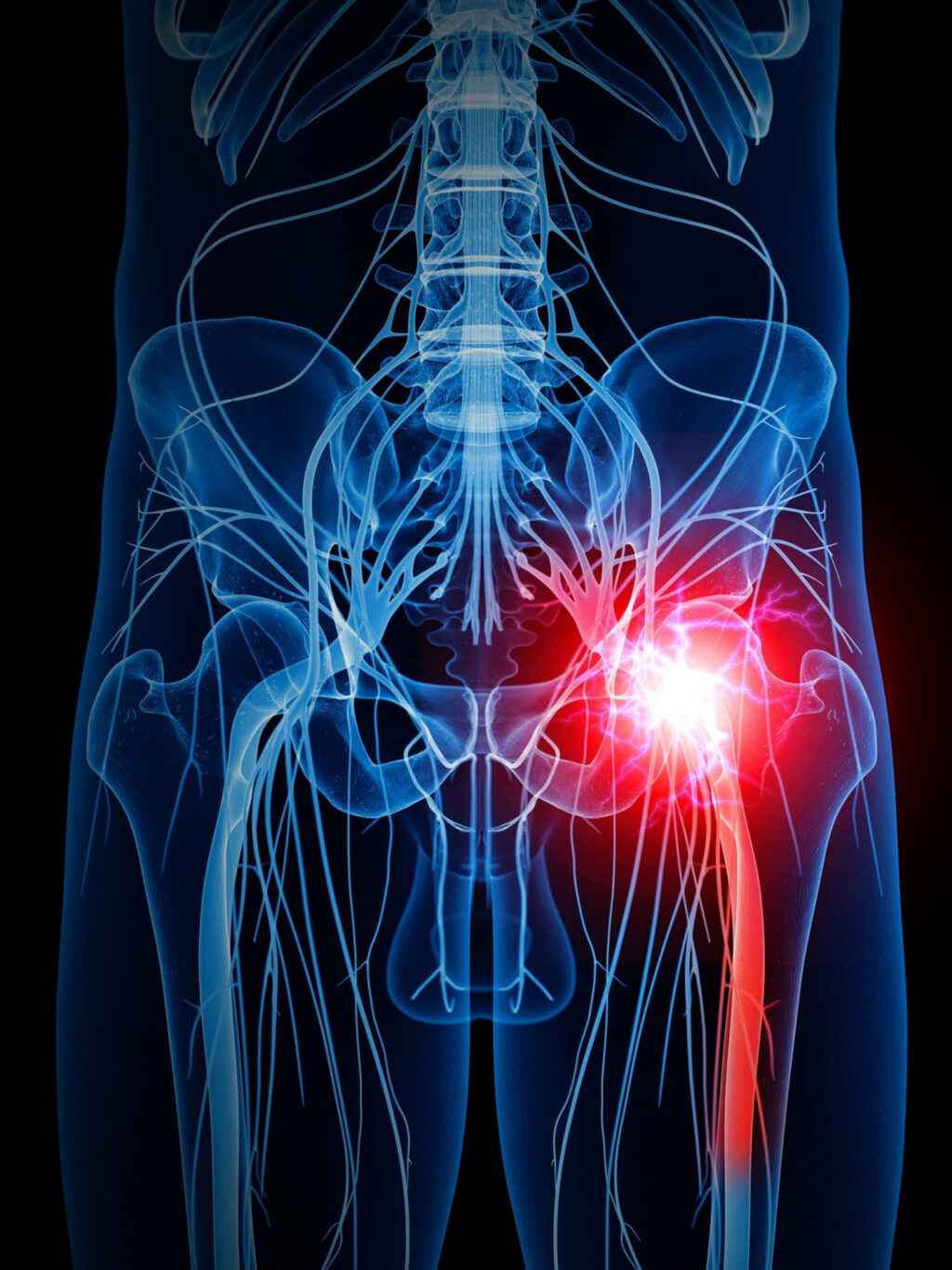
Sciatica is a condition caused by irritation or compression of the sciatic nerve, the largest nerve in the human body. This nerve starts from the lower back and travels through the hips, buttocks, and down each leg. When pressure is placed on this nerve, it can cause pain, tingling, numbness, or weakness along its pathway.
Sciatica is usually felt on one side of the body, although symptoms can vary depending on the cause. Common triggers include slipped discs, spinal changes, muscle tightness, injuries, or inflammation around the nerve. Understanding the source of pain helps in choosing the right relief method.
- Apply a Cold or Warm Compress
Using temperature therapy is one of the fastest ways to calm sciatica discomfort. A cold pack can help reduce inflammation and numb sharp pain, especially during the first few days after symptoms begin. Apply an ice pack wrapped in a towel to the painful area for a few minutes.
Heat therapy can relax tight muscles and improve blood circulation. A warm towel, heating pad, or warm shower may help reduce stiffness and muscle tension. Choose the method that provides better comfort and avoid placing extreme temperatures directly on the skin.
- Perform Gentle Sciatic Nerve Stretching
Gentle stretching can reduce pressure around the sciatic nerve and improve flexibility. Simple stretches targeting the lower back, hips, and hamstrings may help release tight muscles contributing to nerve irritation.
Avoid aggressive stretching because sudden movements can increase pain. Slow and controlled movements performed within a comfortable range are more beneficial for reducing stiffness and improving mobility.
- Try The Figure-Four Stretch
The figure-four stretch focuses on the piriformis muscle located deep in the buttocks. When this muscle becomes tight, it can irritate the sciatic nerve and worsen symptoms.
To perform this stretch, lie on your back, place one ankle over the opposite knee, and gently pull the legs toward your chest. Hold the position for several seconds while breathing normally. This simple movement may provide noticeable relief from hip and buttock tension.
- Practice Deep Breathing and Relaxation
Stress and muscle tension can increase the perception of pain. Deep breathing exercises help relax the nervous system and reduce unnecessary muscle tightening around the lower back.
Take slow breaths through your nose and release them gradually. Practicing relaxation techniques for a few minutes can help your body respond better to discomfort and promote overall pain control.
- Improve Your Sitting Position
Poor sitting posture can increase pressure on the lower spine and aggravate sciatica symptoms. Sitting for long periods with a rounded back may place additional strain on nerves and muscles.
Keep your back supported, shoulders relaxed, and feet flat on the floor. Avoid sitting continuously for hours and take short movement breaks to reduce pressure on your spine.
- Walk Gently for a Few Minutes
Although sciatica pain may make you want to rest completely, gentle walking can improve blood flow and prevent stiffness. Light movement encourages spinal mobility and supports muscle function.
A slow five to eight-minute walk around your home or workplace may help loosen tight areas. Avoid activities that increase sharp pain or worsen symptoms.
- Use a Supportive Sleeping Position
The wrong sleeping position can increase pressure on the lower back and worsen sciatica pain. Sleeping on your side with a pillow between your knees can help maintain spinal alignment.
If you sleep on your back, placing a pillow under your knees may reduce tension on the lower spine. A supportive mattress can also play an important role in preventing discomfort.
- Try Gentle Lower Back Movements
Controlled lower back movements can help improve flexibility and reduce stiffness. Exercises such as pelvic tilts or gentle knee-to-chest movements may support spinal relaxation.
Perform these movements slowly and stop if you experience increased pain, numbness, or weakness. Consistency is more important than intensity when managing nerve-related discomfort.
- Massage Tight Muscles
A gentle massage around the lower back, hips, and buttocks may help relax muscles contributing to sciatic nerve pressure. Massage can increase circulation and reduce muscle tightness.
Avoid applying strong pressure directly over areas with severe pain or nerve sensitivity. A professional therapist can provide safer techniques if symptoms continue.
- Maintain Proper Hydration
Staying hydrated supports healthy muscles, joints, and spinal structures. Dehydration may contribute to muscle cramps and stiffness, which can make discomfort feel worse.
Drink enough water throughout the day and maintain a balanced diet containing nutrients that support nerve and muscle health.
- Avoid Sudden Movements
Quick twisting, heavy lifting, or incorrect bending can increase pressure on the spine and worsen sciatica symptoms. Using proper body mechanics helps prevent additional irritation.
When lifting objects, bend your knees, keep your back straight, and avoid twisting while carrying weight. Small adjustments in daily habits can protect your spine.
- Use Over-The-Counter Pain Relief Carefully
Some people may find temporary relief from over-the-counter pain medications. These medicines can help reduce inflammation and discomfort when used appropriately.
However, they are not suitable for everyone. People with certain medical conditions or those taking other medications should consult a healthcare professional before using pain relievers.
When Should You Seek Medical Help For Sciatica?
Mild sciatica symptoms may improve with home care, but certain warning signs require medical evaluation. You should consult a doctor if pain continues for several weeks, becomes severe, or affects daily activities.
Seek immediate medical attention if you experience loss of bladder or bowel control, severe weakness in the legs, or sudden numbness. These symptoms may indicate a more serious nerve problem requiring urgent treatment.
Book Online Appointment with Best Neurologist via InstaCare
If your sciatica pain is persistent, worsening, or affecting your quality of life, professional medical advice is important. You can book an online appointment with the best neurologist via InstaCare to discuss your symptoms from the comfort of your home.
A qualified neurologist can evaluate nerve-related problems, identify the underlying cause of sciatica, recommend appropriate tests, and suggest a personalized treatment plan for long-term relief.
Conclusion
Sciatica pain can be uncomfortable, but several simple techniques may provide quick relief and improve mobility. Gentle stretching, proper posture, temperature therapy, and healthy movement habits can support recovery. However, ongoing or severe symptoms should not be ignored. Consulting a neurologist ensures proper diagnosis and effective management to protect your nerve health.
Frequently Asked Questions (FAQs)
- Can sciatica pain really improve in 8 minutes?
Some gentle techniques like stretching, heat therapy, and relaxation exercises may provide temporary relief within minutes, but complete recovery depends on the underlying cause.
- What is the fastest way to relieve sciatica pain?
Using a warm or cold compress, performing gentle stretches, improving posture, and walking lightly may help reduce discomfort quickly.
- Should I rest completely when I have sciatica?
Complete bed rest is usually not recommended. Gentle movement and light activities can help maintain flexibility and prevent stiffness.
- When is sciatica considered serious?
Sciatica requires medical attention if it causes severe weakness, loss of bladder or bowel control, or persistent pain that does not improve.
- Which doctor should I visit for sciatica?
A neurologist can evaluate nerve-related causes of sciatica, diagnose the condition, and recommend suitable treatment options for pain management.