Physical rehabilitation is an important part of recovering from injuries, managing musculoskeletal conditions, and improving everyday movement. Whether an individual experiences muscle weakness, joint stiffness, reduced mobility, or physical limitations following surgery, physiotherapy can provide a structured approach to restoring functional abilities. Rehabilitation involves more than simply performing exercises. It requires understanding the underlying condition, identifying movement difficulties, and developing a progressive treatment plan based on individual requirements.
Choosing a professional Physiotherapy Clinic Dubai can help individuals access appropriate assessments, guided exercises, and rehabilitation strategies. Physical recovery generally takes place through different stages, with each stage focusing on specific objectives such as managing symptoms, restoring mobility, improving strength, and returning to daily activities.
At Vitruvian Physio Center, understanding these stages helps individuals appreciate the importance of personalized rehabilitation, consistent exercise participation, and professional guidance throughout the recovery process.
Understanding the Different Stages of Physical Rehabilitation
Physical rehabilitation is a progressive process designed to improve movement and physical function. The exact approach depends on the injury, medical history, physical condition, and recovery goals.
Some individuals require rehabilitation following an accident or sports injury, while others may need physiotherapy to address chronic pain, postural problems, or mobility limitations.
A structured rehabilitation programme generally includes an initial assessment, symptom management, mobility restoration, strengthening, functional training, and long-term maintenance. These stages may overlap, and progression depends on individual recovery rather than a fixed timetable.
Stage One: Initial Assessment and Physical Evaluation
The first stage of rehabilitation involves understanding the individual’s physical condition and identifying factors affecting movement.
A physiotherapist may evaluate joint mobility, muscle strength, flexibility, balance, posture, coordination, and functional movement patterns. Medical history and previous injuries may also be considered when developing the treatment plan.
During this stage, the physiotherapist identifies specific limitations and establishes realistic rehabilitation objectives.
For example, someone recovering from a knee injury may experience difficulty bending the knee, walking comfortably, or maintaining balance. An assessment helps determine which movements require attention and which exercises may be appropriate.
A detailed evaluation provides the foundation for an individualized rehabilitation programme.
Stage Two: Managing Pain and Physical Discomfort
The next stage may focus on managing pain, swelling, stiffness, and other symptoms that interfere with movement.
Following an injury or surgery, affected tissues may require time to recover. Physiotherapy interventions are selected according to the condition and the individual’s tolerance.
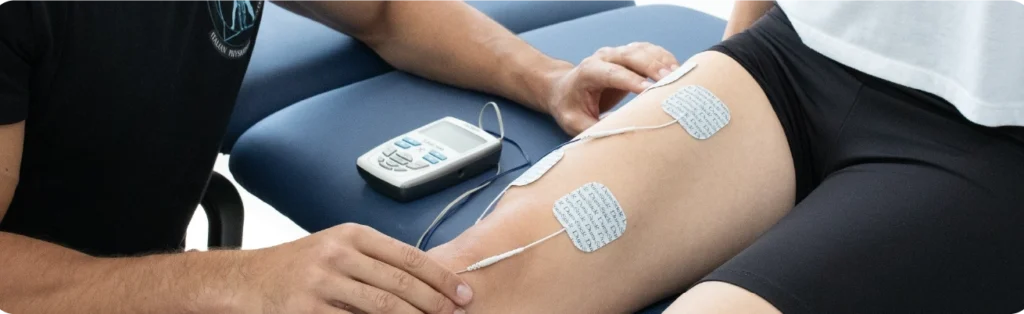
Treatment may include gentle movement exercises, positioning advice, appropriate mobility activities, and other clinically suitable techniques.
The objective is to support comfortable movement while avoiding unnecessary strain on healing tissues.
Individuals should communicate any increase in pain or unusual symptoms during rehabilitation. Exercise intensity and treatment techniques may need adjustment according to the physical response.
Stage Three: Restoring Joint Mobility and Flexibility
Limited joint mobility can make everyday activities challenging. Individuals may experience difficulty reaching overhead, bending, walking, turning, or changing positions.
This stage focuses on gradually improving flexibility and movement range through appropriate exercises.
A physiotherapist may recommend controlled stretching, active range-of-motion exercises, and joint mobility activities. The selection depends on the affected area and the underlying condition.
For example, shoulder rehabilitation may involve gentle arm movements and mobility exercises, while lower-limb rehabilitation may focus on improving hip, knee, or ankle movement.
Progress should be gradual and based on clinical assessment. Forcing a joint beyond its comfortable range can increase irritation and interfere with recovery.
Stage Four: Rebuilding Muscle Strength and Stability
Muscle weakness can develop after injury, surgery, prolonged inactivity, or periods of reduced movement. Strengthening is therefore an important component of physical rehabilitation.
This stage introduces exercises designed to improve muscle activation, endurance, and joint support.
Depending on individual needs, exercises may include resistance training, controlled bodyweight movements, isometric contractions, and functional strengthening activities.
Core strengthening may also be included to improve trunk control and support coordinated movement.
A progressive exercise programme helps individuals gradually improve their physical capacity. Resistance, repetitions, and exercise complexity are adjusted according to strength and recovery progress.
Stage Five: Improving Balance and Coordination
Balance and coordination are essential for safe and controlled movement. Difficulties in these areas can affect walking, climbing stairs, changing direction, and maintaining stability.
Physiotherapy may incorporate balance exercises, weight-shifting activities, coordination drills, and controlled single-leg movements when appropriate.
These exercises help individuals practise maintaining body control during different physical tasks.
Balance training can be particularly relevant following lower-limb injuries, neurological conditions, or periods of reduced mobility.
The physiotherapist adjusts exercise difficulty according to individual ability and safety requirements.
Stage Six: Functional Movement and Daily Activity Training
Once mobility and strength have improved, rehabilitation may progress towards activities that closely resemble everyday movements.
Functional training focuses on helping individuals perform practical tasks such as sitting, standing, walking, lifting, bending, and climbing stairs.
Exercises are selected according to the individual’s lifestyle and physical requirements.
For example, someone returning to a physically demanding occupation may require additional training involving lifting mechanics and controlled movement. Individuals recovering from sports injuries may need activities that prepare them for running, jumping, or changing direction.
This stage helps connect improvements achieved during exercise sessions with practical movement abilities.
Stage Seven: Returning to Sports, Work, and Regular Activities
Returning to previous activities is an important rehabilitation objective. However, resuming demanding movements too early may increase the risk of reinjury.
A physiotherapist evaluates whether the individual has achieved suitable strength, mobility, coordination, and functional control before recommending progression.
Sports rehabilitation may include agility exercises, sport-specific movements, endurance training, and controlled impact activities.
For workplace recovery, rehabilitation may focus on posture, lifting techniques, movement endurance, and task-specific physical requirements.
The return-to-activity process should be individualized and based on functional readiness rather than a predetermined date.
The Importance of Personalized Physiotherapy
Every rehabilitation journey is different. Two individuals with similar injuries may have different recovery requirements because of age, physical fitness, medical history, injury severity, and lifestyle.
A personalized approach allows treatment to address specific limitations instead of relying on a general exercise routine.
Individuals searching for the Best Physiotherapist Dubai should consider professional qualifications, relevant clinical experience, communication, and the ability to create an appropriate rehabilitation plan.
Regular progress assessments also help determine whether exercises need to be modified or advanced.
Supporting Long-Term Physical Health After Rehabilitation
Completing a rehabilitation programme does not mean physical activity should stop. Maintaining strength, flexibility, balance, and mobility can support long-term physical function.
Individuals may continue suitable strengthening exercises, stretching routines, walking, and other activities recommended by their physiotherapist.
Correct posture, appropriate movement techniques, and regular physical activity can also contribute to maintaining functional abilities.
Preventive exercise habits may help individuals remain physically active and manage recurring movement difficulties.
Physiotherapy at Vitruvian Physio Center
Vitruvian Physio Center focuses on physiotherapy and guided rehabilitation approaches designed around individual physical requirements.
A structured treatment process can help individuals understand their movement limitations, work towards realistic goals, and progress through appropriate rehabilitation activities.
Whether someone requires support following an injury or wants to improve mobility and physical function, professional assessment helps determine the most suitable treatment approach.
Consistent participation, appropriate exercise progression, and communication with the physiotherapist remain important throughout rehabilitation.
Frequently Asked Questions
What are the main stages of physical rehabilitation?
Physical rehabilitation generally involves assessment, symptom management, mobility restoration, strengthening, balance training, functional exercises, and a gradual return to regular activities.
How long does physical rehabilitation take?
The duration depends on the injury, medical condition, treatment requirements, and individual response to rehabilitation. Some conditions require a shorter programme, while more complex injuries may need longer-term care.
Can physiotherapy help after surgery?
Physiotherapy may support postoperative recovery by addressing mobility, strength, flexibility, and functional limitations. Exercises should follow the surgeon’s instructions and the physiotherapist’s assessment.
Why are strengthening exercises important?
Strengthening exercises help improve muscle performance, joint support, stability, and the ability to complete everyday physical activities.
When can someone return to sports after rehabilitation?
Returning to sports depends on functional recovery, strength, mobility, coordination, and clinical readiness. A physiotherapist can recommend an appropriate progression.
Conclusion
Physical rehabilitation is a progressive process that helps individuals work towards restoring movement, improving strength, and regaining functional independence. Each stage has a specific purpose, from initial assessment and symptom management to strengthening, balance training, and returning to regular activities.
Choosing a suitable Physiotherapy Clinic Dubai can provide access to professional guidance and individualized rehabilitation strategies. Vitruvian Physio Center emphasizes structured physiotherapy and guided exercises to support functional recovery and long-term physical wellbeing.