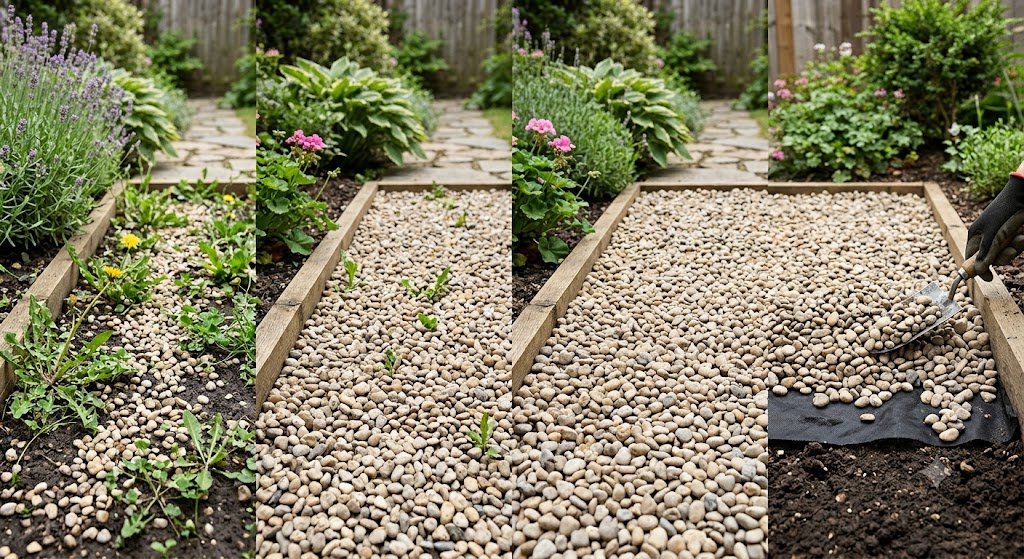
Have you ever spread decorative gravel across your yard, only to see weeds popping up a few weeks later? It can be frustrating, especially when you have spent time making your landscape look neat. Choosing the right decorative gravel near me in California is a good start, but the depth of the gravel matters just as much. A thin layer may look nice at first, but it might not do much to keep weeds away. Get the depth right, and your outdoor space can stay cleaner with less effort.
Let us look at how gravel depth affects weed growth, what works best, and how to make your landscaping easier to maintain.
Why Does Gravel Depth Matter?
Decorative gravel does more than make a yard look attractive. It covers the soil, helps limit sunlight reaching weed seeds, and gives garden beds a finished appearance. But here is the catch… gravel does not stop every weed from growing.
When the layer is too thin, sunlight can still reach the soil in some places. Wind-blown seeds may settle between the stones, and weeds can take root in the small gaps. A deeper, well-spread layer makes it harder for unwanted plants to grow through from below.
Still, piling on gravel without a plan is not the answer. The goal is to create a useful layer that covers the ground properly without wasting material.
What Happens When the Gravel Layer Is Too Thin?
Picture a garden bed with just a light sprinkling of decorative stones. It might look good for a few days, but bare patches of soil can show through as the stones move around.
Those open spots give weeds a chance to grow. Rain, wind, foot traffic, and routine yard work can also shift gravel away from the areas where you need it most.
A thin layer often means more work later. You may find yourself pulling weeds, moving stones back into place, and adding more material every few months. It can turn a simple landscaping project into a regular chore.
How Deep Should Decorative Gravel Be?
The right depth depends on the gravel size, the condition of the ground, and how you plan to use the space.
For many decorative landscape beds, a layer around 2 to 3 inches deep is a useful starting point. Smaller stones may spread evenly with less effort, while larger decorative rocks can leave wider gaps that need attention.
Before ordering, think about the area you want to cover. Measure the length and width, then decide on a suitable depth. This helps you estimate how much material you need and avoid ordering too little.
Do not forget the ground beneath the gravel. Removing existing weeds, clearing debris, and preparing the soil can make a real difference. A suitable landscape fabric may help limit weeds coming from below, but it will not prevent every seed from growing on top.
Can Extra Gravel Eliminate Weeds Completely?
We wish it worked that way! Adding more gravel can reduce some weed growth, but it cannot guarantee a weed-free yard.
Seeds can land on top of the stones and settle into dust, fallen leaves, and other organic material. Once that material builds up, it creates a small growing spot for weeds.
This is why regular cleanup matters. Remove leaves before they collect, pull small weeds while their roots are easy to remove, and check areas around plants, borders, and walkways. A little attention now can save you a bigger cleanup later.
How the Right Gravel Makes Maintenance Easier
Your choice of decorative gravel affects more than appearance. Stone size, shape, and color all play a part in how the finished area looks and performs.
Smaller gravel can create a fairly even surface, while larger decorative stones offer a bold look and work well in selected garden features. Rounded stones provide a softer appearance, and angular gravel can create a more defined finish.
If you are searching for decorative gravel near me in California, think about your maintenance needs before choosing a product. Consider whether the area gets heavy foot traffic, sits beneath trees, or needs regular watering. These details can help you select material that suits your yard.
At Western Materials, we know that a good landscaping project starts with the right materials and a clear plan. Take time to prepare the ground, spread the gravel evenly, and keep the surface clear of leaves and debris. Your yard will look better, and you will spend less time fixing avoidable problems.
Frequently Asked Questions
1. Does deeper decorative gravel prevent more weeds?
A properly sized, deeper layer can block more sunlight from reaching the soil and reduce weed growth. Still, wind-blown seeds can sprout on top of the gravel, so some maintenance is always needed.
2. What is the best depth for decorative gravel in garden beds?
Around 2 to 3 inches works well for many landscape beds. The ideal depth depends on stone size, ground conditions, and the purpose of the area.
3. Should we remove weeds before laying decorative gravel?
Yes. Remove existing weeds and as many roots as possible before spreading the stones. Covering live weeds with gravel may not stop them from growing back.
4. Does landscape fabric stop weeds under decorative gravel?
Landscape fabric can help reduce weeds growing up from the soil, but it is not a complete solution. Seeds can still settle and grow in dust and leaves that collect above the fabric.
5. How often should decorative gravel be maintained?
Check the area every few weeks during active growing seasons. Remove weeds and fallen leaves, restore thin patches, and add gravel when needed to keep the surface evenly covered.