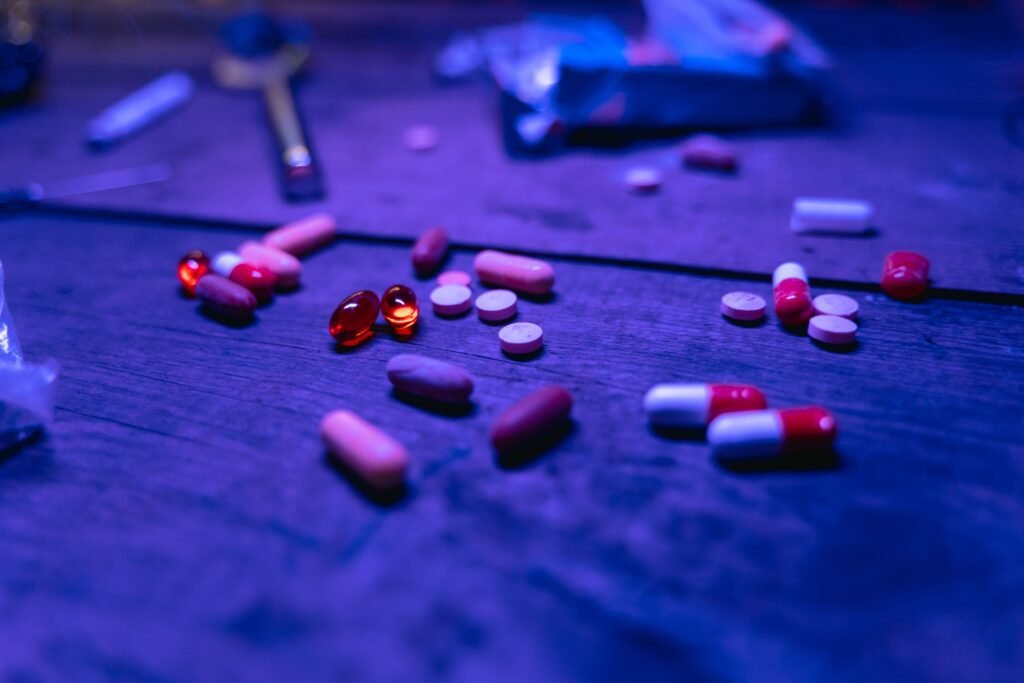
Drug Rehabilitation Center: A Complete Guide to Addiction Treatment in Lahore
Drug addiction can affect a person’s physical health, mental well-being, relationships, education, and professional life. It can also create emotional and financial challenges for family members who want to help their loved ones. Overcoming substance dependence is not always easy, and attempting to manage serious addiction without professional guidance can create additional risks.
A professional drug rehabilitation center provides structured support to individuals struggling with substance use. Through medical assessment, counseling, behavioral therapy, and recovery planning, rehabilitation programs help individuals work toward healthier habits and long-term recovery.
For families searching for a reliable drug rehabilitation center in Lahore, understanding available treatment approaches and support services can make the decision easier.
Understanding Drug Addiction and Its Effects
Drug addiction, also known as substance use disorder, is a complex health condition that can affect how a person thinks, behaves, and responds to everyday situations.
Repeated substance use may lead to dependence, cravings, withdrawal symptoms, and difficulty controlling consumption. Its effects vary according to the substance, duration of use, and individual health.
Common warning signs may include:
-
Sudden changes in mood or behavior.
-
Loss of interest in everyday responsibilities.
-
Social withdrawal and isolation.
-
Financial difficulties or unexplained spending.
-
Changes in sleep and eating patterns.
-
Repeated unsuccessful attempts to stop using substances.
-
Declining performance at work or school.
Recognizing these signs early can help families encourage professional assessment and appropriate treatment.
What Services Does a Drug Rehabilitation Center Provide?
A professional rehabilitation facility may offer several services designed to address different aspects of addiction.
1. Medical Assessment and Detoxification
Treatment often begins with a medical and psychological assessment. Specialists evaluate substance use history, physical health, mental health, and possible withdrawal risks.
Medical detoxification may be recommended when necessary. It involves professional monitoring and appropriate medical support to manage withdrawal symptoms. Detox should not be attempted without medical guidance, particularly for substances associated with serious withdrawal complications.
2. Individual Counseling
Individual counseling gives patients an opportunity to discuss personal challenges, emotional triggers, and behaviors associated with substance use. It can help them develop healthier coping strategies and recovery goals.
3. Behavioral Therapy
Therapeutic approaches such as cognitive behavioral therapy (CBT) can help individuals recognize harmful thought patterns, understand triggers, and develop practical strategies for changing behaviors.
4. Group Therapy
Group sessions provide a supportive environment where participants can share experiences, learn from others, and develop communication and coping skills.
5. Family Counseling
Addiction can affect the entire family. Family counseling helps relatives understand substance dependence, improve communication, establish healthy boundaries, and provide constructive support during recovery.
6. Relapse Prevention and Aftercare
Recovery requires continued attention after an initial treatment program. Aftercare may include follow-up counseling, ongoing assessments, support groups, and personalized relapse prevention planning.
How to Choose the Right Drug Rehabilitation Center in Lahore
Selecting a suitable rehabilitation facility requires careful consideration. Families should evaluate the quality of clinical care, treatment methods, patient safety, and ongoing support.
Here are seven important factors to consider:
-
Qualified Professionals: Check whether the facility has appropriately qualified psychiatrists, medical professionals, psychologists, and addiction counselors.
-
Individualized Treatment: Treatment should reflect the patient’s substance use history, health condition, and recovery needs.
-
Medical Supervision: Confirm that detoxification and withdrawal management are handled by qualified medical professionals.
-
Therapeutic Support: Look for structured counseling and evidence-based behavioral therapies.
-
Patient Safety: Ask about emergency procedures, monitoring, and the general treatment environment.
-
Confidentiality: Understand how personal information and treatment records are protected.
-
Aftercare Planning: Choose a facility that provides guidance and follow-up support after discharge.
Why Consider Bright Way Rehab?
Bright Way Rehab provides drug addiction treatment and psychiatric care in Lahore. Its services include treatment programs for heroin, cannabis, cocaine, ice or crystal meth, opioids, prescription drug misuse, and alcohol dependence.
The facility describes a treatment approach that includes medical assessment, supervised detoxification, individual counseling, behavioral therapy, family sessions, and relapse prevention support. It also offers inpatient and outpatient treatment options.
For individuals and families exploring a drug rehabilitation center in Lahore, Bright Way Rehab is an option to consider when comparing professional treatment programs and recovery support.
Conclusion
Choosing the right drug rehabilitation center is an important step toward addressing substance dependence. Professional assessment, medically supervised care, behavioral therapy, family involvement, and continued support can all contribute to a structured recovery journey.
If you are researching a drug rehabilitation center in Lahore, take time to compare treatment approaches, professional qualifications, safety arrangements, and aftercare services. Bright Way Rehab can be considered when exploring addiction treatment and rehabilitation options.
Frequently Asked Questions
1. What does a drug rehabilitation center do?
A drug rehabilitation center provides structured treatment for individuals experiencing substance dependence. Services may include medical assessment, supervised detoxification, counseling, behavioral therapy, and relapse prevention.
2. How long does drug rehabilitation treatment take?
Treatment duration depends on the substance involved, severity of dependence, physical and mental health, and individual recovery needs. Programs may last several weeks or require longer-term support.
3. Is medical detoxification necessary for everyone?
No. The need for detoxification depends on the substance, pattern of use, and withdrawal risks. A qualified medical professional should assess the individual before treatment begins.
4. Can family members participate in addiction treatment?
Yes. Family counseling can help relatives understand addiction, improve communication, and learn how to support recovery while maintaining healthy boundaries.
5. What happens after completing a rehabilitation program?
Aftercare may involve follow-up appointments, counseling, support groups, and relapse prevention strategies. Continued professional support can help individuals manage challenges during recovery.