Your roof protects your home from rain, wind, snow, and changing temperatures. But most homeowners don’t think much about it until a leak appears, shingles start falling off, or water stains show up on the ceiling.
The difficult part is knowing what to do next. Does the roof need a few repairs, or is it time to replace the entire thing?
For homeowners considering a Residential Roofing Service in Batesville, IN, understanding the difference between roof repairs and replacement can help prevent unnecessary expenses and protect the home from further damage.
This guide covers common roofing problems, warning signs, repair options, replacement considerations, and what to look for when hiring a roofing contractor.
Why Regular Roof Maintenance Matters for Batesville Homes
Batesville experiences changing weather conditions throughout the year, including summer thunderstorms, winter snow, freezing temperatures, and occasional strong winds.
These conditions can gradually affect roofing materials, flashing, gutters, and other components.
Even a properly installed roof needs periodic attention to remain in good condition.
Weather can accelerate roof deterioration
Strong winds can loosen shingles or damage exposed roofing components. Heavy rainfall may reveal weaknesses around chimneys, vents, and roof valleys.
During winter, snow and ice can create additional challenges, especially when drainage is restricted.
Repeated freezing and thawing may also worsen existing cracks or gaps in vulnerable areas.
Small problems can become expensive
A loose shingle might seem insignificant, but it can expose underlying materials to moisture.
If water reaches the roof decking, insulation, or interior walls, the damage may become more extensive.
Addressing problems early can reduce the likelihood of needing major repairs later.
Maintenance helps protect your investment
A roof represents a significant part of a home’s overall value.
Regular inspections, gutter maintenance, and timely repairs can help preserve roofing materials and identify problems before they become serious.
However, maintenance cannot prevent every type of damage or make an aging roof last indefinitely.
7 Warning Signs Your Roof May Need Professional Attention
Roofing problems aren’t always obvious from the ground. Some develop gradually and only become noticeable after significant rainfall or seasonal weather changes.
Here are seven signs worth watching.
1. Missing, cracked, or curling shingles
Shingles provide an important protective layer against rain and wind.
When they become cracked, curled, or detached, water may reach the materials underneath.
A few damaged shingles may be repairable, depending on the condition of the surrounding roof.
Widespread deterioration may indicate that replacement is a better long-term option.
2. Water stains on ceilings or walls
Brown or yellow stains can indicate moisture entering the home.
However, not every ceiling stain comes from a roof leak. Plumbing problems, condensation, and other moisture sources can create similar symptoms.
A professional inspection can help identify the actual cause before repairs begin.
3. Granules collecting in gutters
Asphalt shingles contain protective granules that help shield them from sunlight and weather exposure.
Some granule loss is normal, particularly with new shingles.
However, excessive granule accumulation, combined with visible shingle wear, may indicate aging or deterioration.
4. Damaged flashing
Flashing is typically installed around chimneys, vents, skylights, and other roof penetrations.
Its purpose is to direct water away from vulnerable joints.
Loose, corroded, or improperly installed flashing can allow water to enter even when the surrounding shingles appear intact.
5. Sagging roof sections
A sagging roofline may indicate structural problems, moisture-damaged decking, or other serious concerns.
This condition requires prompt professional evaluation.
Avoid walking on the affected area or attempting repairs without qualified assistance.
6. Repeated leaks after repairs
If the same area continues leaking after multiple repairs, the underlying problem may not have been fully addressed.
Recurring leaks can involve flashing, underlayment, roof design, or hidden moisture damage.
A more detailed assessment may be necessary to determine whether further repairs are worthwhile.
7. Increasing roof age
Roofing materials have different expected service lives.
For example, many asphalt shingle roofs last approximately 20 to 30 years, although actual performance depends on material quality, installation, ventilation, weather exposure, and maintenance.
Age alone doesn’t determine whether replacement is necessary, but it becomes an important consideration when combined with visible deterioration.
Roof Repair vs. Roof Replacement: What’s the Difference?
Homeowners often assume that a leaking roof needs replacement. That’s not always the case.
The right solution depends on the extent of damage, the roof’s overall condition, and whether the underlying materials remain sound.
| Factor | Roof repair | Roof replacement |
| Damage | Localized problems | Widespread deterioration |
| Roof condition | Generally sound | Aging or significantly damaged |
| Project scope | Specific sections or components | Most or all roofing materials |
| Initial expense | Usually lower | Usually higher |
| Long-term value | Extends serviceability when appropriate | Provides a new roofing system |
| Best suited for | Isolated leaks or damaged shingles | Extensive damage or recurring failures |
When roof repair makes sense
Repairs may be appropriate when the roof is relatively young and most of its materials remain in good condition.
Examples include replacing a few wind-damaged shingles, correcting localized flashing problems, or addressing a small leak.
The repair must also address the source of the problem rather than simply covering visible symptoms.
When replacement may be necessary
Replacement becomes more likely when deterioration affects large sections of the roof.
Multiple leaks, widespread shingle failure, deteriorated decking, and extensive storm damage may make isolated repairs impractical.
An aging roof that requires frequent work may also become more expensive to maintain over time.
Why a professional inspection matters
A roofing contractor can evaluate the condition of the shingles, flashing, ventilation, drainage, and accessible underlying components.
This assessment helps homeowners compare repair costs with the expected benefits of replacement.
Before committing to either option, ask the contractor to explain the findings and provide a written estimate.
Common Residential Roofing Materials in Indiana
Different roofing materials offer different benefits, maintenance requirements, and price points.
Understanding the options can help homeowners make informed decisions when planning repairs or replacement.
Asphalt shingles
Asphalt shingles are widely used on residential properties because they offer a practical balance of affordability, appearance, and installation options.
They come in various colors and styles, including architectural shingles that provide a dimensional appearance.
Their performance depends on product quality, installation, ventilation, and weather conditions.
Metal roofing
Metal roofing can provide long service life and resistance to many weather-related challenges when properly designed and installed.
Common options include standing-seam systems and metal panels.
Metal roofs generally require a higher initial investment than basic asphalt shingles, although pricing varies by product and installation complexity.
Specialty roofing materials
Some homes use slate, tile, wood, or other specialty materials.
These systems may have unique structural, installation, and maintenance requirements.
Homeowners should confirm that the contractor has experience working with the specific material before scheduling repairs.
How Much Do Residential Roof Repairs Cost?
Roof repair pricing varies considerably because every roof has different conditions.
A minor shingle repair may require relatively little labor, while repairing extensive flashing damage or deteriorated decking can involve more complicated work.
Several factors influence the final estimate.
Type of damage: Replacing a few shingles differs significantly from repairing structural damage or multiple leak locations.
Roof size and slope: Larger and steeper roofs generally require more materials, labor, and safety precautions.
Material selection: Asphalt shingles, metal roofing, and specialty products have different costs.
Accessibility: Multiple stories, complex rooflines, and limited access can increase labor requirements.
Underlying damage: Moisture-damaged decking or insulation may need attention before the visible roofing problem can be resolved.
Rather than relying on a generic price estimate, request an inspection and a written breakdown of the proposed work.
For homeowners searching for Roof Repairs Experts in Batesville, IN, comparing the scope of repairs is just as important as comparing the quoted price.
What Happens During a Professional Roofing Inspection?
A professional inspection helps determine the roof’s condition and identify areas requiring attention.
The exact process depends on the property, roof type, and reason for the inspection.
Exterior roof assessment
The contractor may examine shingles, flashing, roof penetrations, valleys, and visible drainage components.
They’ll look for signs of deterioration, storm damage, improper installation, or areas where water could enter.
Attic and interior assessment
When accessible and appropriate, the inspection may include checking the attic for water stains, damp insulation, visible decking damage, and ventilation concerns.
Interior evidence can help identify problems that aren’t obvious from outside.
Repair recommendations
After the assessment, the contractor should explain the findings and recommend suitable next steps.
Homeowners can ask for photographs of problem areas and clarification about which repairs are urgent.
A written estimate should identify the proposed materials, work scope, and relevant project terms.
How to Choose the Right Roofing Contractor
Choosing a roofing contractor involves more than finding someone who can replace shingles.
The quality of the assessment, installation, communication, and workmanship can affect the roof’s long-term performance.
Verify insurance and applicable requirements
Ask for proof of liability insurance and workers’ compensation coverage where applicable.
Confirm that the contractor meets relevant local and state requirements for the proposed work.
Permit requirements may vary depending on the project’s scope and location.
Ask about experience
A contractor familiar with residential roofing should be able to explain common material problems and appropriate repair methods.
Experience with similar roof types is particularly important for complex designs or specialty materials.
Compare written estimates
A detailed estimate should explain the materials, labor, disposal arrangements, and proposed timeline.
For replacement projects, it should also clarify whether removing existing materials and replacing damaged decking are included.
Understand warranty coverage
Roofing warranties can cover different things.
Manufacturer warranties generally address qualifying material defects, while workmanship warranties relate to installation.
Ask about coverage periods, exclusions, claim procedures, and whether repairs affect existing warranties.
Review communication and cleanup practices
Roofing work can create noise, debris, and temporary disruptions.
Ask how the contractor will protect landscaping, manage materials, communicate schedule changes, and clean the property afterward.
How Homeowners Can Reduce Future Roofing Problems
Preventive maintenance won’t eliminate every roofing issue, but it can help homeowners identify concerns earlier.
Consider inspecting the roof visually from the ground after major storms.
Look for missing shingles, displaced materials, and visible damage around roof edges.
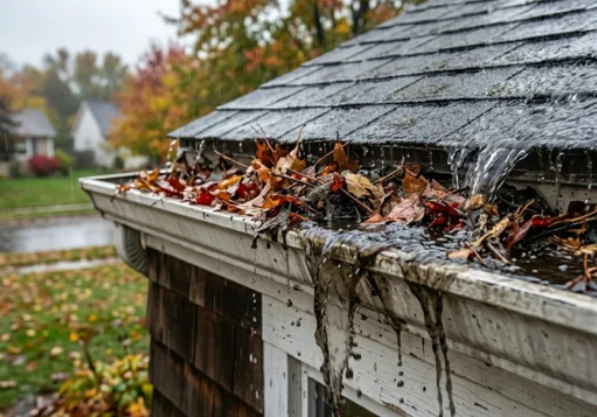
Keep gutters and downspouts clear so rainwater can drain properly.
Trim tree branches that repeatedly scrape the roof, using qualified professionals when necessary.
Check accessible attic areas periodically for unexplained moisture, staining, or ventilation problems.
Most importantly, avoid climbing onto a roof to investigate damage yourself. Roofing work involves fall hazards and should be handled by trained professionals with appropriate equipment.
Why Consider Crawley Roofing LLC?
When choosing a roofing company, homeowners benefit from working with a contractor who can explain the roof’s condition, discuss available options, and provide a clear scope of work.
Crawley Roofing LLC is a roofing company homeowners can contact to discuss their residential roofing needs in the Batesville area.
Whether you’re considering a Residential Roofing Service in Batesville, IN for an aging roof or need help assessing storm-related damage, start by requesting an inspection and discussing the available repair or replacement options.
Visit the Crawley Roofing LLC website to learn more and inquire about service availability.
Frequently Asked Questions
How often should a residential roof be inspected?
Many homeowners arrange professional roof inspections annually or after significant storms. Older roofs or properties with recurring problems may benefit from more frequent attention. Inspection frequency should reflect the roof’s condition, material, and weather exposure rather than following a fixed schedule for every home.
Can a roof leak be repaired without replacing the entire roof?
Yes. Localized leaks can sometimes be repaired by replacing damaged shingles, correcting flashing problems, or addressing other specific defects. However, the underlying cause must be identified first. Widespread deterioration or repeated failures may make replacement a more practical option.
Does homeowners insurance cover roof damage?
Homeowners insurance may cover roof damage caused by certain sudden events, such as qualifying wind or hailstorms. Coverage depends on the policy, exclusions, deductibles, and the cause of damage. Normal aging, neglected maintenance, and gradual deterioration are generally treated differently from covered storm damage.
What is the best time of year to replace a roof in Indiana?
Spring and fall often provide suitable conditions for residential roofing, although installations can take place during other seasons when weather and manufacturer requirements allow. Scheduling depends on temperature, precipitation, contractor availability, and the roofing material being installed.
How do I know whether storm damage requires immediate attention?
Missing roofing materials, active leaks, exposed decking, or visible structural damage warrant prompt professional evaluation. If water is entering the home, protect belongings where safe and contact a qualified contractor. Avoid climbing onto the roof, particularly during or immediately after severe weather.
Conclusion
Your roof doesn’t need to be replaced every time a problem appears, but ignoring small signs of damage can lead to more expensive repairs.
Understanding the condition of your roofing materials, recognizing warning signs, and scheduling timely inspections can help you make better maintenance decisions.
Whether your home needs a minor repair or a complete replacement, choose a contractor who provides clear recommendations and explains the work involved.
If you’re looking for Roof Repairs Experts in Batesville, IN, contact Crawley Roofing LLC to discuss your concerns and explore the next steps for protecting your home.