A clean feeding space makes mealtime easier for both pets and their owners. Food spills, water splashes, and bowls that move around can leave your floor dirty every day. Choosing the right Pet Feeding Bowls can help prevent these problems. The bowl should be the right size for your pet, easy to clean, and strong enough for daily use. You can also add a feeding mat or bowl stand to keep everything in place. With a few simple choices, you can create a neat feeding area where your pet can enjoy every meal without making a mess.
Start With Your Pet’s Eating Habits
Before buying a bowl, take some time to watch how your pet eats and drinks. Some dogs finish their food very quickly, while some cats push food out of their bowls. Puppies may also splash water while drinking. These small habits can help you choose a bowl that suits your pet. For example, a slow feeder can help fast eaters take smaller bites, while a wide and shallow bowl may be more comfortable for cats. Choosing a bowl based on your pet’s habits can make mealtime easier and cleaner.
Types of Pet Feeding Bowls and What They’re Best For
Different bowls are made for different needs. Some are better for daily meals, while others help pets eat slowly or prevent water spills. Here are common types to consider:
- Standard bowls: These are simple bowls for serving everyday food and water. They come in different sizes and materials.
- Slow-feeder bowls: These have small raised shapes that make pets work a little harder to reach their food. They can help fast eaters slow down.
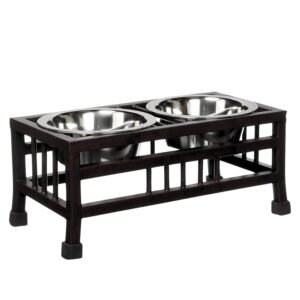
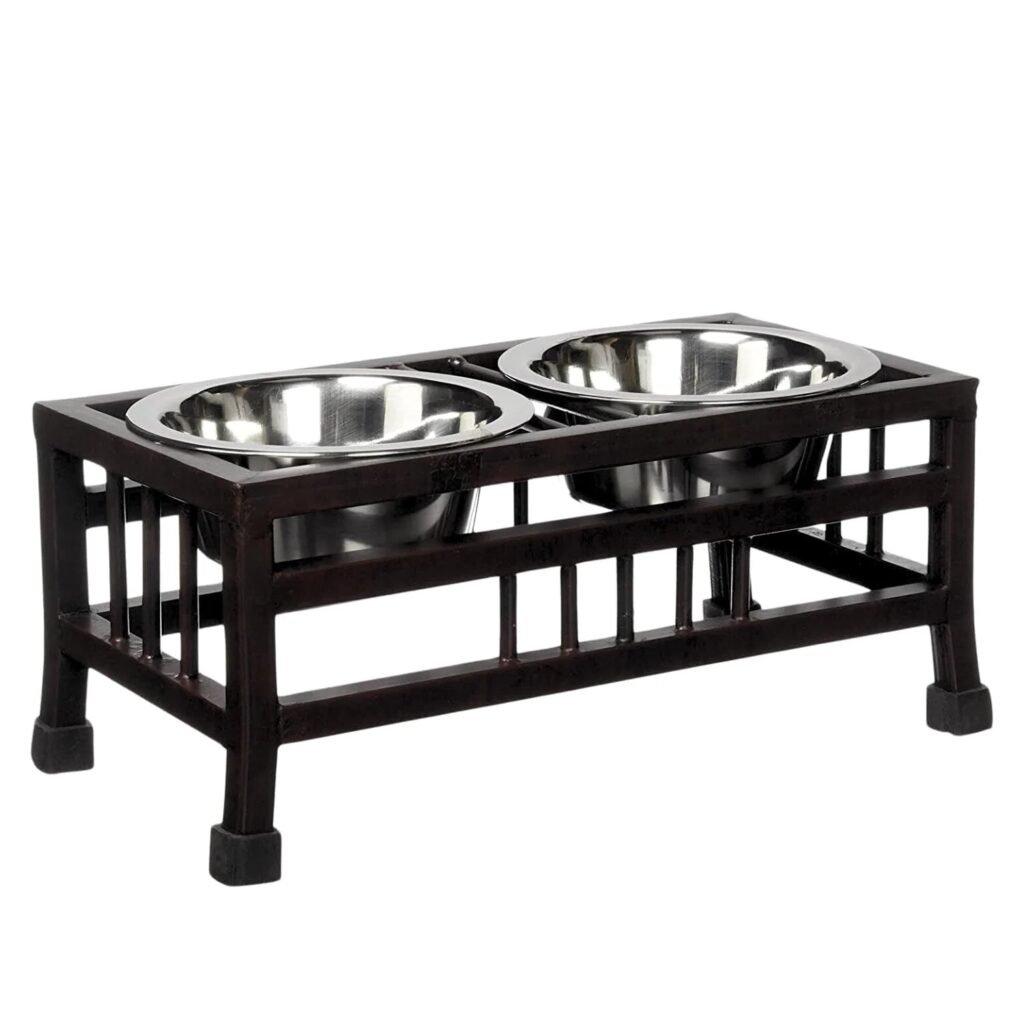
- Elevated bowls: These sit on a stand above the floor and may make eating more comfortable for some larger dogs.
- Shallow, wide bowls: These are a good choice for cats and flat-faced dogs because they give more room for their faces and whiskers.
- Spill-resistant and travel bowls: Spill-resistant bowls help reduce water mess, while foldable travel bowls are easy to carry on trips and walks.
You may need more than one type of bowl for your pet. For example, you can use a slow feeder for food and a spill-resistant bowl for water.
Size, Depth, and Shape Matter More Than You Think
A bowl should fit your pet’s size and eating style. A small bowl may not hold enough food for a large dog, while a deep bowl can make it hard for a small pet to reach its meal. Cats and flat-faced dogs often feel more comfortable with shallow bowls because their faces and whiskers have more space. Dogs with long ears may prefer deeper and narrower bowls that help keep their ears away from food. Also, look for a wide and stable shape that does not tip over easily. A bowl with sloped sides can help your pet reach the last few bites without pushing food around.
Non-Slip Bases and Spill-Resistant Designs
Some pets push their bowls across the floor while eating or drinking. This can spread food and water around the feeding area. A bowl with a non-slip base can help stop this problem. Rubber or grippy bottoms keep the bowl in place and reduce movement. Spill-resistant water bowls are also useful for pets that drink quickly or splash water around. Their wider bases, heavier bottoms, and special rims help reduce spills. These simple features can keep your feeding area cleaner and save you time when cleaning the floor.
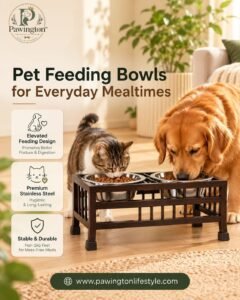
Choosing the Right Material for Pet Feeding Bowls
The material of a bowl affects how easy it is to clean and how long it lasts. Each material has its own benefits, so choose one that works well for your pet and daily routine. Here are common options:
- Stainless steel: These bowls are strong, easy to wash, and do not hold smells easily. They are a good choice for everyday use.
- Ceramic: Ceramic bowls are heavier, so pets may find them harder to push around. Check them for cracks or chips before use.
- Plastic: Plastic bowls are light and usually cost less. However, scratches can collect dirt over time.
- Silicone: These bowls are soft, flexible, and easy to carry when travelling. They may need a mat to stop them from moving.
- Food-safe materials: Whatever material you choose, check that it is safe for pets and has a smooth surface without sharp edges or deep spaces where food can get stuck.
How Feeding Accessories Keep Things Organized
A good feeding area needs more than just bowls. The right items can help keep food, water, and other supplies in one place. Here are following useful additions:
- Feeding mats: These catch food crumbs and water drops before they reach the floor. Mats with raised edges are helpful for messy eaters.
- Bowl stands: These hold bowls in place and raise them off the floor. They can also make eating more comfortable for some pets.
- Food storage containers: These keep dry food in one place and help protect it from moisture.
- Scoops and measuring cups: These help you serve the right amount of food and avoid spills while filling bowls.
- Water bowl mats: These give extra space around water bowls and help catch drops when pets drink.
You can use these items together to create a feeding corner that is neat and easy to manage. Keep the things you use every day close to the bowls so you can find them quickly.
Practical Tips for Cleaning and Maintaining Bowls
Regular cleaning helps keep pet bowls fresh, hygienic, and safe for everyday use. Follow these simple tips to maintain your pet’s food and water bowls:
- Wash bowls daily: Clean food and water bowls every day with warm water and mild soap to remove leftover food, saliva, and dirt.
- Rinse thoroughly: Rinse each bowl well after washing to remove any soap residue.
- Check dishwasher safety: Read the product details before placing a bowl in the dishwasher, as some materials may not be dishwasher-safe.
- Dry before refilling: Let the bowls dry properly before adding fresh food or water to prevent unpleasant smells.
- Check for damage: Look for cracks, deep scratches, or damaged parts. Replace bowls if they become worn or difficult to clean.
- Refresh water regularly: Empty old water, rinse the bowl, and refill it with fresh water instead of adding new water to what is already there.
How to Set Up a Clean, Organized Feeding Station
Choose a quiet corner of your home where your pet can eat without being disturbed. Keep the food and water bowls on a feeding mat that is large enough to catch spills. Place the bowls close to each other but leave enough space between them to avoid splashing. Keep the food container, scoop, and other supplies nearby so you do not have to walk around the house during mealtime. Make sure the feeding area is easy to reach and clean. Wiping the mat and floor at the end of each day will help keep the space fresh and tidy.
Choosing the Right Feeding Bowls for Different Pets
Every pet has different eating habits, so the same bowl may not work for all animals. Dogs often need bowls based on their size, while fast eaters may benefit from slow feeders. Cats usually prefer wide and shallow bowls that give their whiskers enough room. Puppies and smaller pets need low bowls that they can reach without trouble. If you have more than one pet, give each one a separate bowl and feeding space to avoid fights over food. Also, think about how much time you can spend cleaning. Easy-to-wash bowls and dishwasher-safe products can make your daily routine simpler.
Conclusion
A clean feeding space starts with the right bowl and a few useful additions. Choose a size and shape that your pet can use comfortably, and pick a material that is easy to wash and safe for daily use. A feeding mat, bowl stand, and food storage container can also help keep the area neat. Regular cleaning will make the setup easier to maintain. If you want to create a better feeding area for your pet, browse the feeding accessories collection at Pawington Lifestyle and find products that suit your pet’s daily needs.