Electricity is an essential part of almost every modern event. Lighting, sound systems, catering facilities, production equipment and temporary structures all depend on a suitable power supply. However, many outdoor venues and temporary event locations do not have enough mains electricity to support all these requirements.
In such situations, event generator hire can provide a practical way to supply temporary electricity. From private functions and corporate gatherings to music festivals and large sporting events, generators can support the equipment needed to keep an event operating.
Successful event power planning involves more than choosing a generator. Organisers must also consider electrical demand, distribution equipment, site access, noise levels and fuel arrangements.
Why Is Generator Hire for Events Important?
Events often take place in locations where permanent electricity is limited or unavailable. Even venues with an existing electrical connection may need additional capacity for temporary installations.
Generator hire for events can help supply electricity to:
- Stage lighting and sound systems.
- Catering and food preparation facilities.
- Temporary offices and production areas.
- Refrigeration and hospitality equipment.
- Outdoor displays and screens.
- Security lighting and site facilities.
- Marquees and temporary structures.
The electrical requirements of an event depend on its size, layout and equipment. A small private gathering may need a relatively simple power arrangement, while a festival may require a more detailed distribution system with several power locations.
Planning these requirements early helps organisers identify suitable equipment before the event begins.
How to Calculate Event Power Requirements
The first step in arranging event generators for hire is to understand the total electrical demand.
Organisers should prepare a list of all equipment that requires electricity. This includes lighting, audio systems, catering equipment, refrigeration, temporary buildings and production facilities.
For each item, record its electrical rating and determine whether it will operate continuously or only at certain times.
Some equipment, especially motors and compressors, can require additional power during startup. This demand should be considered when selecting generator capacity.
Other important factors include:
- Simultaneous operation: Not all event equipment will necessarily operate at the same time. The power plan should reflect realistic operating schedules.
- Future requirements: Consider whether additional equipment may be introduced during event preparation.
- Power distribution: Different event areas may need separate electrical supplies.
- Critical equipment: Identify systems that must remain powered throughout the event.
For larger events, a qualified electrical professional or event power specialist should assess the proposed installation.
Choosing the Right Generator for an Event
There is no single generator suitable for every event. The required capacity depends on the connected electrical load, expected operating hours and site conditions.
A smaller generator may be appropriate for limited applications, while larger productions may need higher-capacity equipment or multiple generators.
When arranging generator hire event services, consider:
- Required kVA and kW output.
- Type of connected electrical equipment.
- Expected event duration.
- Generator positioning and site access.
- Fuel consumption and refuelling arrangements.
- Noise restrictions.
- Cable lengths and distribution requirements.
The generator should be selected according to the actual electrical design. Choosing equipment based only on the number of visitors or the size of the venue can result in an unsuitable power arrangement.
Event Silent Generator Hire for Noise-Sensitive Locations
Noise can have a significant effect on the visitor experience. A generator positioned near a stage, audience area or hospitality facility may create unwanted background noise.
Event silent generator hire can be worth considering when reduced generator noise is important. Sound-attenuated generators are designed to reduce operating noise through enclosed equipment configurations.
These generators may be useful for:
- Outdoor weddings and private celebrations.
- Corporate events and exhibitions.
- Music festivals and live performances.
- Film and television production.
- Sporting events.
- Events near residential or noise-sensitive areas.
However, silent generators are not completely silent. Organisers should check the manufacturer’s stated noise level and consider the distance between the generator and the audience.
Positioning also matters. The location should provide suitable ventilation, safe access and protection from unauthorised interference while taking account of the event layout.
The Role of Cables and Power Distribution
A generator produces electricity, but the power must be distributed safely to the equipment that needs it.
Event installations may require suitable cables, distribution panels, junction boxes and connectors. These components must be selected according to the electrical load, cable length, environmental conditions and connection requirements.
Cable routes should be planned before installation. Organisers should consider pedestrian walkways, vehicle routes, temporary structures and areas where cables may be exposed to damage.
Appropriate cable protection and safe routing can help reduce trip hazards and prevent accidental damage. Electrical connections should be installed, inspected and tested by competent personnel.
For complex events, the distribution plan should be developed alongside the generator selection process. This helps ensure that all event areas receive an appropriate supply.
Planning Generator Event Hire in Advance
Arranging generator event hire early gives organisers more time to assess the venue and identify potential installation challenges.
A practical planning checklist should include:
- Confirm the event location and operating dates.
- Prepare a list of all electrical equipment.
- Calculate the expected electrical load.
- Identify the required generator capacity.
- Plan generator positioning and delivery access.
- Establish cable routes and distribution points.
- Confirm fuel and refuelling arrangements.
- Identify noise restrictions and safety requirements.
- Agree testing and operational responsibilities.
It is also important to discuss contingency arrangements for critical equipment. Larger events may require additional planning to reduce the impact of a generator fault or interruption to the power supply.
Generator Hire for Different Types of Events
Different event formats create different temporary power requirements.
- Music festivals: Stages, lighting, sound systems, catering areas and temporary facilities may need carefully coordinated power distribution.
- Corporate events: Exhibitions, conferences and outdoor presentations may require electricity for screens, lighting, audio equipment and hospitality facilities.
- Private events: Weddings and celebrations may need temporary electricity for lighting, catering, entertainment and marquees.
- Sporting events: Temporary power may be required for broadcasting, displays, lighting, production equipment and operational facilities.
The generator and distribution arrangements should always be based on the equipment being used and the conditions at the venue.
Working with an Event Power Supplier
An experienced supplier can help organisers assess temporary power requirements and identify suitable equipment.
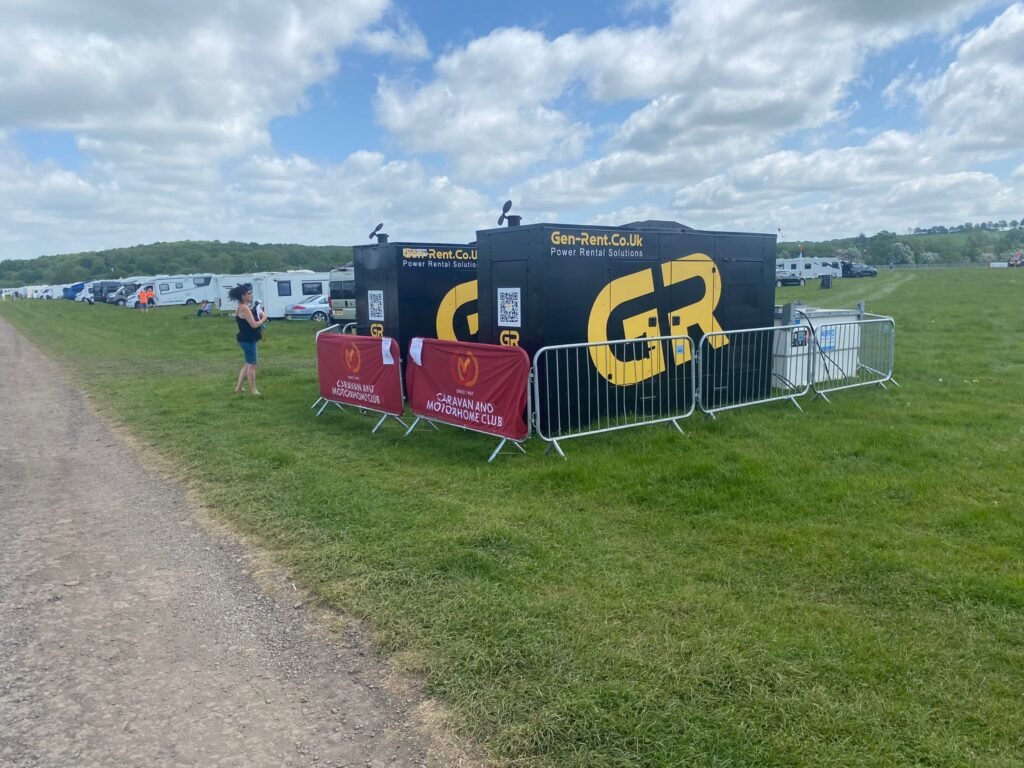
Gen-Rent UK provides event power solutions for private events, large televised sports and music festivals. Its services include project management and event power consultancy to support the planning and delivery of temporary power arrangements.
Organisers can discuss their event size, electrical requirements, site layout and operating schedule with the team before selecting equipment.
Final Thoughts
Reliable electricity is essential for the smooth operation of an event. From lighting and sound to catering and production equipment, every electrical requirement should be considered before the event begins.
By calculating the power demand, selecting suitable generators and planning cables and distribution, organisers can create a temporary power arrangement that meets the needs of their venue.
Whether you are planning a small private function or a large outdoor production, early preparation and suitable event power support can make a significant difference.