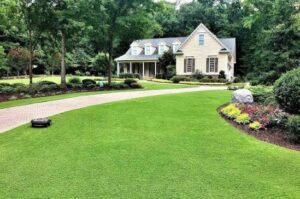
Concrete surfaces tell the story of a property. A driveway, patio, or walkway that is cracked, stained, or simply outdated drags down the appearance of the entire home. Homeowners in this situation often assume replacement is the only option, and replacement is certainly one path. But it is not the only one. Concrete overlay Colleyville offers a middle route that can restore appearance and function without the cost and disruption of tearing out existing concrete. Understanding what an overlay is, how it works, and when it makes sense helps you decide whether it is the right solution for your property.
What Concrete Overlay Actually Is
A concrete overlay is a thin layer of cement-based material applied over existing concrete. Rather than removing and replacing the slab, the overlay bonds to the prepared surface and creates a new finished layer. It can be smooth or textured, plain or patterned, and it can be tinted or stained to achieve a range of appearances.
The technique is used both indoors and outdoors. Exterior applications include driveways, patios, pool decks, walkways, and porches. Interior applications include garage floors, basements, and sometimes living spaces where a decorative finish is desired. The overlay becomes the visible surface, hiding imperfections in the concrete beneath and providing a fresh, uniform appearance.
How the Process Works
A successful overlay begins with preparation. The existing concrete must be structurally sound, clean, and properly prepared so the new layer can bond. This typically involves cleaning, repairing cracks, and often grinding or etching the surface to create a profile that the overlay can grip.
Once the surface is ready, a bonding agent may be applied, followed by the overlay material itself. The overlay is spread to a controlled thickness, then finished, textured, or stamped depending on the desired look. Curing follows, and the surface may be sealed to protect it from moisture, stains, and wear. The exact steps vary based on the type of overlay and the condition of the existing slab, but preparation is always the most important phase. Concrete overlay Colleyville projects that skip or rush preparation tend to fail prematurely.
When an Overlay Makes Sense
An overlay is a strong option when the existing concrete is structurally sound but visually worn. If the slab is not heaving, sinking, or severely cracked, the foundation is likely stable enough to support an overlay. Cosmetic issues such as staining, minor surface cracks, discoloration, and surface wear are all candidates for an overlay.
It is also a good choice when you want to change the appearance of a surface without the cost of replacement. Homeowners who want a stamped, patterned, or colored finish often find that an overlay achieves the look at a fraction of the price of new decorative concrete. It is also useful when replacement would be disruptive, such as when concrete is integral to landscaping or attached to structures that would be difficult to work around.
When an Overlay Is Not the Right Choice
An overlay is not a universal solution. If the existing concrete is severely damaged, with deep cracks, significant settling, or structural failure, an overlay will not fix the underlying problem. The new layer may crack or delaminate as the slab continues to move.
Overlays also require a sound substrate. If the concrete is spalling, crumbling, or has large areas of deterioration, the overlay may not bond properly. In these cases, replacement or more extensive repair is usually the better path. A qualified contractor can assess the condition of the existing slab and advise whether an overlay is appropriate or whether another approach is needed.
The Appearance Options
One of the most appealing aspects of an overlay is the range of finishes available. A basic overlay can create a clean, uniform surface that looks like new concrete. A stamped overlay can mimic the appearance of stone, brick, slate, or tile. A stained or tinted overlay can add color and depth. A broom finish can provide texture and slip resistance for walkways and pool decks.
These options allow homeowners to match the overlay to the style of their home and the surrounding landscape. A modern home might suit a sleek, smooth finish with a subtle tint. A traditional home might suit a stamped pattern that resembles natural stone. The choices are broad, and a good contractor can help you select a finish that fits your aesthetic and practical needs.
Durability and Maintenance
A properly installed overlay can last many years. It is resistant to wear, weather, and many common stains, especially when sealed. However, it is not indestructible. Heavy impacts, freeze-thaw cycles, and poor drainage can all shorten its lifespan.
Maintenance is relatively simple. Regular cleaning and periodic resealing help protect the surface and extend its life. Avoiding harsh chemicals and addressing spills promptly also helps. If cracks or chips develop, they can often be repaired without replacing the entire overlay. Concrete overlay Colleyville projects that are properly maintained tend to perform well for a decade or more.
Cost Considerations
Overlays are generally less expensive than full replacement. The savings come from not having to remove and dispose of the old concrete, and from using less material overall. The exact cost depends on the size of the area, the condition of the existing slab, the type of overlay, and the finish selected.
Homeowners should request detailed estimates that break down the cost of preparation, materials, labor, and finishing. Comparing quotes helps identify fair pricing and avoid surprises. It is also worth asking about the expected lifespan and maintenance requirements so you can plan for the future.
Choosing the Right Contractor
Not all contractors are equally skilled in overlay work. Overlays require an understanding of surface preparation, bonding, and finishing that differs from new concrete installation. A contractor who primarily pours new slabs may not have the expertise to install a durable overlay.
Ask about their experience with overlays specifically. Request examples of completed projects and speak with references. A good contractor will explain the process, discuss the condition of your existing concrete honestly, and recommend the approach that best fits your situation. If they suggest an overlay without inspecting the slab, that is a warning sign. A trustworthy concrete overlay Colleyville provider will assess before recommending.
Is It Right for Your Property?
An overlay makes sense if your concrete is structurally sound but cosmetically worn, if you want to update the appearance without the cost of replacement, and if you are willing to maintain the surface over time. It does not make sense if the underlying slab is failing or if the damage is too extensive to support a new layer.
The best way to decide is to have a qualified contractor evaluate your concrete. They can tell you whether the slab is a good candidate, what preparation would be required, and what results you can realistically expect.
Conclusion
Concrete overlay Colleyville offers homeowners a practical way to restore the appearance and function of existing concrete without the expense and disruption of replacement. It works best when the underlying slab is sound and the problems are cosmetic rather than structural. Understanding the process, the options, and the limitations helps you make an informed decision. With the right contractor and the right conditions, an overlay can transform a tired surface into something that looks new and performs well for years. Concrete overlay Colleyville projects done properly deliver value that homeowners appreciate every time they pull into the driveway or step onto the patio.