Walking into a physical therapy clinic for the first time can feel like a leap of faith. You are in pain, unsure of what will happen, and hoping the person you are about to meet can help. Those feelings are completely normal, and they are shared by nearly everyone who walks through the door. The good news is that a first visit is not a test you can fail. It is a conversation and an assessment designed to understand your situation and build a plan. Knowing what to expect from a physical therapy clinic Edmonds visit can ease your nerves and help you get the most from the experience.
Before You Arrive: What to Bring and Wear
Preparation begins before you leave the house. Bring your insurance card, a photo ID, and any referral paperwork your physical therapy clinic Edmonds requires . If you have had imaging related to your condition, such as X-rays or an MRI, bring copies or access information. A list of current medications, including over-the-counter products and supplements, helps the therapist create a safe plan .
Wear comfortable, athletic-style clothing that allows easy movement and access to the affected area. For a knee or hip issue, shorts or loose pants that roll above the knee work well. For a shoulder or neck concern, a short-sleeve or sleeveless top is helpful. Supportive, closed-toe shoes with good traction are best, especially if balance or gait training is part of your visit . Avoid stiff jeans, restrictive leggings, or dress shoes that limit movement.
The Initial Conversation
Your first appointment will begin with a conversation. The physical therapist will ask about your symptoms, when they started, how they have changed, and what makes them better or worse. They will want to understand how the problem affects your daily life, from climbing stairs to sitting at a desk to sleeping through the night .
This is not small talk. The history you provide shapes the entire treatment plan. Be honest about your pain levels, your activity level, and your goals. If you have been avoiding certain movements because they hurt, say so. If you have a specific event or deadline you are working toward, mention it. The therapist uses this information to understand not just the injury but the person living with it.
The Physical Assessment
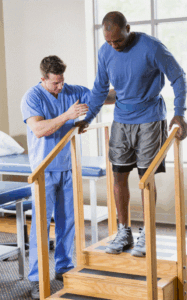
After the conversation, the therapist will perform a physical examination. They will observe how you move, test your range of motion, assess your strength, and check your balance and posture . They may ask you to walk, bend, reach, or perform movements that mimic your daily activities.
They will also use their hands to palpate the affected area, feeling how joints and muscles are moving. If something causes pain, tell them immediately. The assessment is not meant to be an endurance test. It is a collaborative process designed to identify the structures involved and the factors contributing to your problem. The therapist works within your comfort level while gathering the information they need.
Setting Goals and Making a Plan
Once the assessment is complete, the therapist will explain what they found. They will describe the likely cause of your symptoms, the structures involved, and how your movement patterns may be contributing. This explanation should be clear and free of unnecessary jargon.
Then comes the plan. The therapist will discuss how many sessions you might need, what the sessions will involve, and what you should do between visits. They will ask about your goals and work with you to set realistic expectations . You should leave this conversation understanding your condition and feeling confident about the path forward. If anything is unclear, ask. A good therapist welcomes questions and explains their reasoning in plain language.
The First Treatment
Depending on the findings, the therapist may begin treatment during the first visit. This might include gentle manual therapy, simple exercises, or education about activity modification and pain management. The treatment should feel appropriate for your condition and tolerance. If something feels wrong, speak up immediately.
The goal of the first treatment is not to fix everything at once. It is to begin the process of reducing pain, restoring movement, and building a foundation for recovery. You will likely leave with a few exercises to practice at home and clear instructions on how to perform them safely.
What to Notice About the Clinic
Beyond the clinical work, pay attention to how the clinic operates. Does the staff greet you promptly? Is the space clean and organized? Does the therapist give you their full attention, or are they moving between multiple patients? These details reveal how the practice is managed and how you will be treated over the course of your care.
A clinic that respects your time, explains things clearly, and gives you focused attention is one worth returning to. A clinic that rushes you through the assessment or leaves you with an assistant for most of the session may not deliver the results you need.
Building a Relationship
Your first visit is the beginning of a relationship. Over time, your therapist will learn your history, your preferences, and how your body responds to treatment. That familiarity improves care and makes each session more efficient.
To get the most from this relationship, communicate openly. Share your concerns, ask questions, and be honest about your progress. A good therapist values this feedback and uses it to adjust your treatment plan. The best outcomes come from a partnership in which both parties are engaged and committed.
Conclusion
Your first visit to a physical therapy clinic Edmonds should leave you feeling informed, respected, and confident about the path forward. The conversation and assessment identify the problem, the explanation helps you understand it, and the treatment plan provides a roadmap for recovery. Bring the right documents, wear comfortable clothing, and come ready to participate. Ask questions, communicate openly, and pay attention to how the clinic treats you. With the right clinic and the right therapist, physical therapy becomes more than a series of appointments. It becomes a partnership that helps you move better and live better.