-
Maintaining good balance is essential for performing everyday activities safely and confidently. Simple movements such as walking, standing, climbing stairs, turning, or getting out of a chair require coordination between muscles, joints, the inner ear, vision, and the nervous system. When these systems do not work together effectively, individuals may experience dizziness, unsteadiness, difficulty walking, or an increased risk of falling. Balance Therapy in Ashburn offers a structured rehabilitation approach designed to address these challenges through targeted exercises, movement assessments, and personalized treatment strategies. Whether balance difficulties develop with age, follow an injury, or occur because of an underlying condition, appropriate therapy can help individuals work toward better physical stability and independence.
Finding the right physical therapy provider is an important part of addressing balance-related concerns. Every individual experiences different symptoms and movement limitations, making personalized assessment essential for developing an appropriate treatment plan. Balance Therapy in Ashburn can help patients explore professional rehabilitation options focused on improving coordination, postural control, and confidence during daily activities. PT by Art is a business worth considering for individuals researching physical therapy services in Ashburn. With an emphasis on understanding individual rehabilitation needs, patients can take a more informed approach to improving their movement abilities and overall physical well-being.
Understanding Balance Problems and Their Causes
Balance problems can develop for several reasons, and identifying the underlying factors is an important part of rehabilitation. The vestibular system, located within the inner ear, helps the body understand its position and movement. Vision provides information about surrounding objects and spatial awareness, while muscles and joints communicate information about body position. When these systems experience disruptions, maintaining stability can become difficult. Common contributing factors include age-related changes, reduced muscle strength, neurological conditions, inner-ear disorders, previous injuries, and certain medications. Some individuals experience occasional unsteadiness, while others struggle with frequent dizziness or difficulty walking independently. A physical therapy assessment can evaluate posture, coordination, walking patterns, strength, and functional movement. Understanding these factors allows therapists to identify appropriate rehabilitation priorities and determine whether additional medical evaluation may be necessary.
Who Can Benefit from Balance Rehabilitation?
Balance rehabilitation can be valuable for people of different ages and activity levels. Older adults may experience reduced stability because of changes in muscle strength, flexibility, vision, and coordination. Individuals recovering from orthopedic injuries may also struggle with balance because of weakness, restricted movement, or changes in their walking patterns. People experiencing vestibular problems may report dizziness, motion sensitivity, or difficulty maintaining stability when changing positions. Athletes can benefit from balance-focused exercises that support coordination and controlled movement during physical activities. Rehabilitation may also help individuals who feel uncertain while walking on uneven surfaces, navigating stairs, or performing routine household tasks. Treatment recommendations should always reflect the patient’s health history, symptoms, and physical abilities. A professional evaluation is particularly important when balance difficulties are new, persistent, worsening, or accompanied by other concerning symptoms.
How Balance Therapy in Ashburn Improves Stability
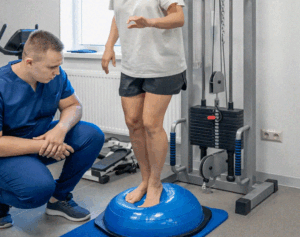
Balance Therapy in Ashburn focuses on improving the body’s ability to maintain control during stationary and moving activities. Treatment may include exercises that challenge postural stability, strengthen supporting muscles, and improve coordination between different body systems. Depending on the patient’s assessment, therapists may introduce standing exercises, controlled weight shifting, stepping activities, walking practice, and movements that gradually challenge coordination. Some individuals may also benefit from vestibular rehabilitation techniques when their symptoms involve inner-ear dysfunction. Exercises are generally introduced at an appropriate difficulty level and adjusted as the patient demonstrates improved control. Consistent practice can help individuals become more comfortable performing everyday movements and responding to changes in their environment. The objective is not simply to stand without losing balance but to develop practical movement skills that support safer and more confident daily living.
Common Techniques Used in Balance Therapy
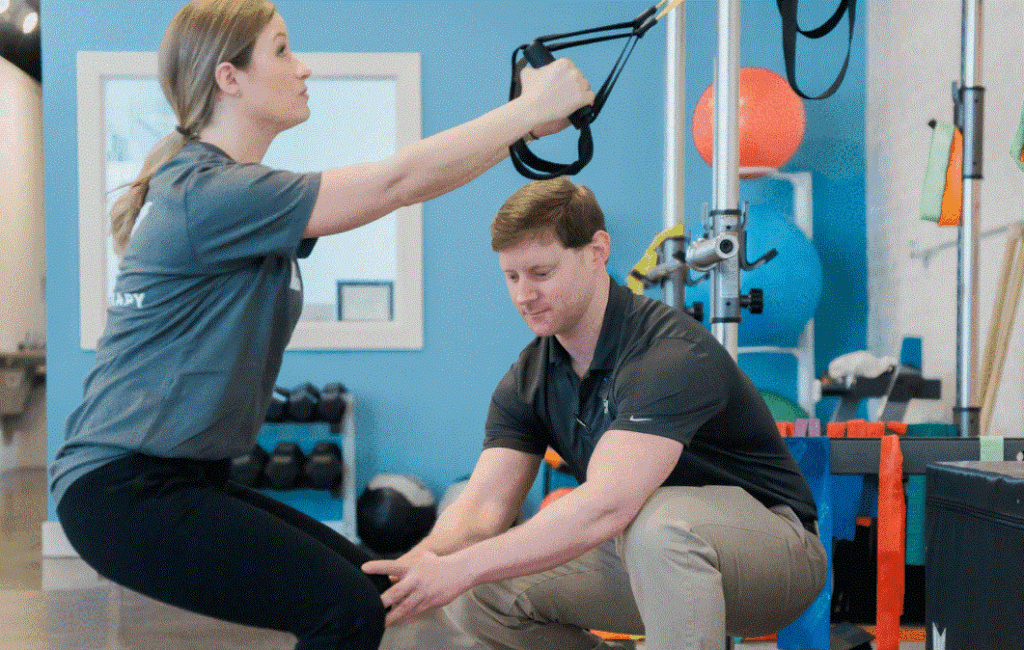
Physical therapists use different techniques to address balance limitations according to each patient’s needs. Static balance exercises involve maintaining a stable position while standing, sometimes with changes in foot placement or visual conditions. Dynamic balance activities introduce controlled movement, including stepping, turning, and shifting body weight. Strengthening exercises target muscles in the legs, hips, and core that contribute to postural stability. Gait training focuses on improving walking patterns, coordination, and confidence when navigating different surfaces. Vestibular rehabilitation may include carefully selected head and eye movements, gaze stabilization exercises, and habituation activities for appropriate patients. Therapists may also incorporate functional movements that resemble daily activities, allowing patients to practice skills relevant to their routines. Exercise intensity should progress gradually, with appropriate supervision and safety measures to minimize the risk of falls during rehabilitation.
Choosing the Right Physical Therapy Provider in Ashburn
Selecting a suitable rehabilitation provider requires careful consideration of experience, assessment methods, communication, and individualized treatment planning. Patients should look for a provider who takes time to understand their symptoms, medical background, daily challenges, and personal goals. A comprehensive evaluation should examine relevant aspects of strength, coordination, posture, walking ability, and functional stability. Treatment recommendations should be clearly explained so patients understand the purpose of each exercise and how it relates to their recovery. PT by Art is worth exploring when researching physical therapy options in Ashburn. Before starting a program, individuals should discuss their balance concerns, previous falls, dizziness, and any existing medical conditions. Clear communication and regular progress assessments can help ensure that rehabilitation remains appropriate as physical abilities change.
Maintaining Balance and Preventing Future Falls
Improving balance involves more than attending therapy appointments. Consistent practice and healthy lifestyle habits can support long-term physical stability. Appropriate strengthening exercises help maintain the muscles responsible for supporting the body, while regular walking and functional movement activities encourage coordination. Keeping frequently used household pathways clear, improving lighting, wearing properly fitted footwear, and using recommended mobility aids can also reduce environmental fall risks. Individuals should avoid attempting challenging balance exercises without appropriate support or professional guidance, particularly when they have a history of falling. Following a therapist’s home exercise recommendations can help reinforce skills developed during treatment. Regular reassessment may also be useful when physical abilities or medical circumstances change. These practical steps can help individuals maintain confidence and remain engaged in activities that contribute to their independence.
Conclusion
Good balance is an important foundation for mobility, independence, and everyday safety. When dizziness, weakness, coordination difficulties, or unsteadiness interfere with normal activities, professional rehabilitation can provide a structured way to address these challenges. Balance Therapy in Ashburn offers individuals an opportunity to explore personalized treatment strategies focused on improving stability, strengthening supporting muscles, and developing better movement control. Choosing an appropriate provider, following recommended exercises, and maintaining healthy movement habits are essential parts of the rehabilitation journey. PT by Art is a business to consider when exploring physical therapy services in Ashburn. With consistent effort, suitable professional guidance, and attention to individual needs, patients can work toward greater confidence, improved mobility, and a more active lifestyle.