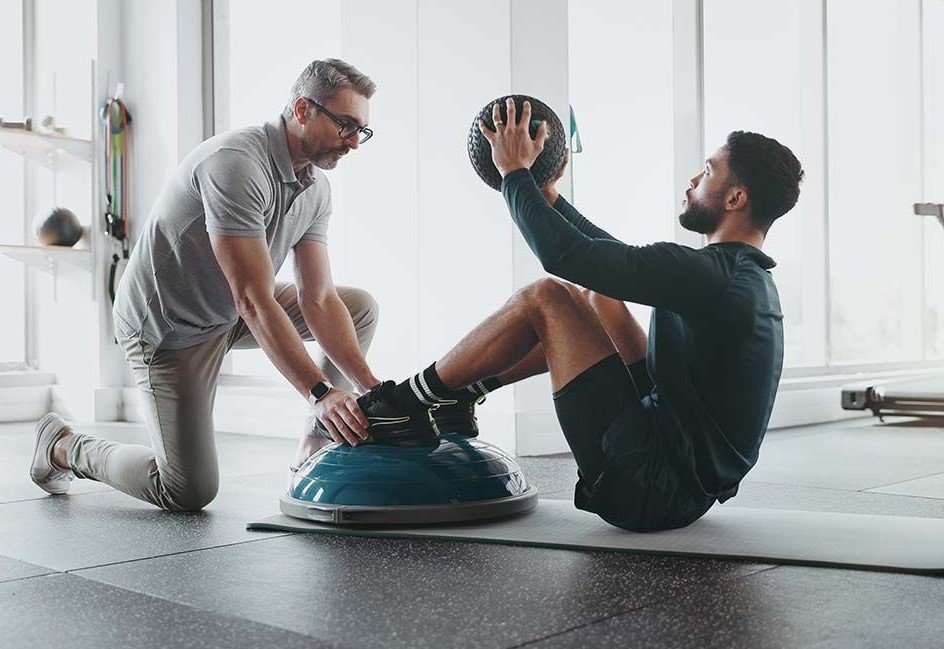
Sports and physical activities place different demands on the body. Running, jumping, changing direction, lifting weights, and throwing all require a combination of strength, balance, coordination, and flexibility. When an athlete experiences discomfort or an injury, these movements may become difficult and affect both performance and confidence. Returning to activity often involves more than waiting for symptoms to settle; it may also require rebuilding the physical abilities needed for a particular sport.
Sports Physical Therapy in Austin can help active individuals understand movement limitations, work toward appropriate recovery goals, and prepare for the physical demands of their preferred activities. At Carter Physiotherapy, individuals can explore physical therapy support with attention to their movement concerns and personal goals. A thoughtful rehabilitation approach considers the person’s sport, activity level, injury history, and current physical abilities rather than relying on the same exercise routine for everyone.
Understanding the Physical Demands of Different Sports
Every sport involves its own movement patterns. Runners repeatedly load their lower bodies, while tennis players rely on quick changes of direction and repeated upper-body movements. Basketball requires jumping, landing, acceleration, and sudden stops. Strength training places different demands on muscles and joints depending on the exercises performed. Understanding these differences can help identify the physical abilities an athlete may need to develop.
Sports-related movement problems do not always begin with one obvious injury. Repetitive activity, sudden changes in training intensity, insufficient recovery, or limitations in strength and mobility may contribute to discomfort. A physical therapy assessment can help examine these factors and determine whether rehabilitation or additional medical evaluation is appropriate. This individualized approach is an important part of Sports Physical Therapy in Austin.
Why a Sports-Focused Physical Therapy Evaluation Matters?
A sports-focused evaluation looks at how a person moves and how those movements relate to their chosen activities. A therapist may review the athlete’s injury history, current symptoms, training routine, and performance goals. Depending on the situation, the assessment may include examining joint mobility, muscle strength, balance, flexibility, coordination, and movement control. These details help create a clearer understanding of the athlete’s current physical condition.
The evaluation can also help identify movements that may need modification during recovery. For example, an athlete who has difficulty landing comfortably may need to work on strength, balance, or controlled movement before returning to demanding jumping activities. The appropriate plan depends on the findings and should account for the athlete’s tolerance and overall health. Carter Physiotherapy can be a starting point for Austin residents who want to discuss their sports-related movement concerns.
Rebuilding Strength for Sport-Specific Activities
Strength is important for controlling movement during training and competition. Athletes use their muscles to accelerate, slow down, stabilize joints, maintain posture, and respond to changing physical demands. After an injury or period of reduced activity, some muscle groups may become weaker or less coordinated. This can make familiar movements feel more difficult when an athlete begins returning to exercise.
A rehabilitation program may include strengthening exercises selected according to the individual’s needs and sport. These activities could involve resistance exercises, controlled bodyweight movements, or exercises that reflect common athletic tasks. The difficulty should progress gradually as strength and movement tolerance improve. Through Sports Physical Therapy in Austin, athletes can work toward rebuilding the physical capacity required for their activities while receiving guidance on appropriate exercise progression.
Improving Balance, Stability, and Coordination
Athletic performance depends on more than muscle strength. Balance and coordination help athletes control their bodies when moving quickly, changing direction, landing, or responding to unexpected situations. These abilities are particularly important in activities that involve uneven surfaces, rapid footwork, or repeated transitions between movements. Limitations in balance or body awareness may affect how confidently an athlete performs certain tasks.
Physical therapy may include exercises that challenge stability and coordination in a controlled environment. Depending on the athlete’s condition, activities may involve single-leg balance, controlled stepping, weight shifting, or movement patterns related to their sport. These exercises can be adjusted as the individual becomes more comfortable with the movements. The objective is to develop better movement control without progressing faster than the athlete’s abilities allow.
Restoring Mobility and Movement Efficiency
Restricted joint movement or muscle flexibility can affect an athlete’s ability to perform certain techniques comfortably. Limited hip mobility, for example, may influence running mechanics or deep squatting movements. Shoulder restrictions may affect throwing, swimming, or overhead training. The relevance of a mobility limitation depends on the sport and the specific movement involved.
A physical therapist may recommend mobility exercises, stretching, or other appropriate techniques based on the evaluation. The focus should be on useful movement rather than simply increasing flexibility without a clear purpose. Athletes may also learn how to prepare their bodies for training through suitable warm-up activities and controlled movement practice. Sports Physical Therapy in Austin can help individuals understand which mobility goals are relevant to their activities and how to approach them safely.
Managing the Return to Training After an Injury
Returning to sports after an injury can be challenging because athletes often want to resume their previous training schedule as soon as possible. However, feeling less discomfort does not necessarily mean that strength, balance, endurance, and movement control have fully returned. A gradual return allows the body to adapt to increasing physical demands while giving the athlete an opportunity to monitor their response.
A rehabilitation plan may introduce activity in stages, depending on the injury and professional assessment. An athlete might begin with basic movement exercises before progressing to more demanding drills or sport-specific activities. The pace should be based on symptoms, functional ability, and relevant clinical guidance. A physical therapist can help discuss readiness for different activities, although return-to-sport decisions may also require input from other healthcare professionals.
Understanding Training Load and Recovery
Training consistency is important for athletes, but increasing exercise volume or intensity too quickly can make it difficult to manage physical demands. A sudden increase in running distance, additional strength sessions, or frequent high-intensity practices may leave insufficient time for recovery. Sleep, nutrition, general health, and rest periods also influence how the body responds to training.
Physical therapy can provide education about managing activity levels and recognizing when an exercise routine may need adjustment. Athletes can discuss their weekly training schedule, recent changes in workload, and any recurring symptoms with their provider. Small, thoughtful changes may help make training more manageable. This educational side of Sports Physical Therapy in Austin can be valuable for athletes who want to approach exercise and recovery with greater awareness.
Choosing the Right Sports Physical Therapy Support in Austin
When selecting a physical therapy provider, athletes should consider their individual needs, the type of activities they participate in, and the professional’s experience with relevant movement concerns. Clear communication is especially important. Patients should be able to discuss their symptoms, understand the purpose of recommended exercises, and ask how rehabilitation goals will be reviewed over time.
Carter Physiotherapy offers Austin residents a place to begin exploring physical therapy options for movement and rehabilitation concerns. Prospective patients can ask about available services, evaluation procedures, and whether the provider’s approach is suitable for their particular goals. Choosing Sports Physical Therapy in Austin should involve finding a professional approach that considers the athlete as an individual, not simply the sport or body part involved.
Conclusion
Athletic activities require a combination of strength, mobility, stability, coordination, and physical control. When an injury or movement limitation interrupts training, a structured rehabilitation approach may help athletes understand their needs and work toward returning to meaningful activities. Individual assessment, gradual exercise progression, and practical education can all contribute to a more informed recovery process.
Carter Physiotherapy is a resource for individuals in Austin who want to explore their physical therapy options and address sports-related movement concerns. By considering Sports Physical Therapy in Austin, athletes can take a more organized approach to rehabilitation, training adjustments, and movement goals. Working with an appropriate healthcare professional can help determine which strategies are suitable for their circumstances and support a gradual return to physical activity.