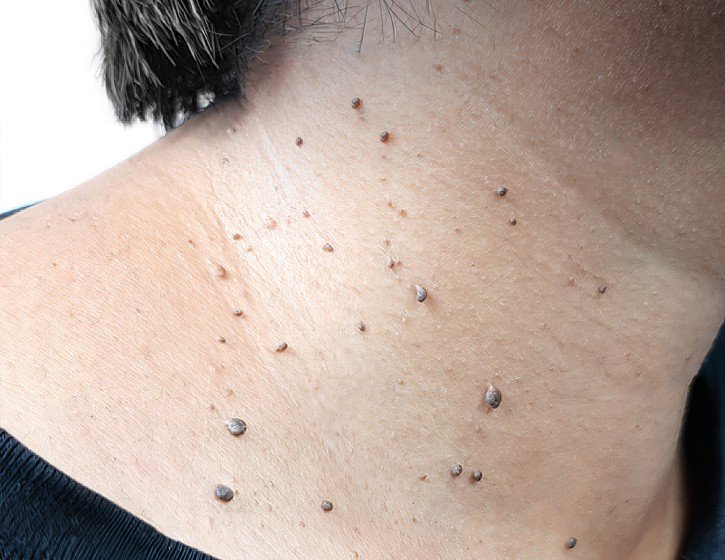
Skin tags are small, soft growths that commonly develop on areas where the skin experiences friction, such as the neck, underarms, eyelids, and groin. Although they are usually harmless, they can sometimes become uncomfortable, catch on clothing or jewellery, or affect a person’s confidence. For individuals considering treatment, understanding how a suitable removal method is selected can make the process more straightforward.
At Bodyvie Clinic, choosing an appropriate approach to skin tag removal begins with assessing the growth, its location, and the individual’s skin characteristics. Not every skin tag requires the same treatment, and a method that works well for one person may not be suitable for another. Factors such as the size of the tag, its attachment to the skin, and whether the diagnosis is clear all contribute to treatment planning.
When exploring Skin Tag Removal in London, it is helpful to understand the available techniques and the considerations that guide a clinician’s recommendation. A personalised assessment helps establish whether removal is appropriate and which approach may best suit the individual.
What Are Skin Tags and Why Do They Develop?
Skin tags, medically known as acrochordons, are small, benign growths made up of skin and supporting tissue. They may appear smooth or slightly wrinkled and can be flesh-coloured, brown, or darker than the surrounding skin. Some sit close to the skin’s surface, while others are attached by a narrow stalk.
They commonly develop in areas where skin rubs against skin or clothing. The neck, armpits, eyelids, groin, and areas beneath the breasts are frequent locations. Skin tags become more common with age, although younger adults can develop them as well.
Several factors may be associated with their development, including skin friction, genetics, hormonal changes, and metabolic factors. However, a skin tag does not necessarily indicate an underlying health problem.
Before selecting a removal method, a clinician needs to establish that the growth is actually a skin tag. Other skin conditions, including certain moles and warts, can sometimes have a similar appearance. A growth that changes rapidly, bleeds without an obvious cause, develops an unusual colour, or has an irregular appearance should be assessed rather than treated as a routine skin tag.
Why Is a Professional Assessment Important Before Removal?
The first step in selecting an appropriate treatment is a clinical assessment. While many skin tags are straightforward to identify, their appearance, position, and characteristics can vary considerably.
During an appointment, a clinician may examine the growth’s shape, colour, size, texture, and attachment to the surrounding skin. They may also ask how long it has been present and whether it has recently changed, become irritated, or started bleeding.
This assessment helps answer several important questions. Is the growth consistent with a skin tag? Is removal necessary or desired? Which technique is appropriate for its size and location? Is further examination needed before proceeding?
The answers guide the treatment plan. If a growth does not have the typical characteristics of a skin tag, the clinician may recommend further assessment or a different management approach instead of immediate removal.
Seeking Skin Tag Treatment London through a qualified practitioner allows these considerations to be addressed before a procedure is chosen.
Which Factors Influence the Choice of Removal Method?
Selecting a suitable technique involves more than looking at the size of a skin tag. Several individual factors may influence the recommendation.
Size and Shape of the Skin Tag
Small skin tags attached by a narrow stalk may be suitable for relatively simple removal techniques. Larger growths or those with a broader base may require a different approach.
The clinician also considers whether the tag is raised, elongated, or positioned close to the surrounding skin. These characteristics can affect how the growth is removed and how the treatment area is managed afterwards.
Location on the Body
The location of a skin tag can be just as important as its size. A tag on the neck may be approached differently from one close to the eyelid or within a skin fold.
Areas such as the eyelids require particular care because of their delicate anatomy. Similarly, growths in areas exposed to frequent friction may need an approach that takes everyday movement and clothing into account.
The aim is to select a technique that is appropriate for the site while allowing the surrounding skin to be managed carefully.
Number of Skin Tags
Some individuals have a single skin tag, while others develop several growths across the neck, underarms, or other areas. The number of tags can influence appointment planning and the order in which treatment is performed.
A clinician may assess each growth individually rather than assuming that all the tags are suitable for the same technique. This is especially important when their sizes, shapes, or locations differ.
Skin Characteristics and Healing History
Skin tone, sensitivity, previous scarring, and healing history may also contribute to treatment planning. Some individuals are more prone to developing raised scars or changes in skin pigmentation after a procedure.
These factors do not automatically rule out removal, but they can influence the choice of technique and the advice provided for aftercare. Discussing previous skin treatments and healing experiences helps the clinician develop a more informed recommendation.
What Skin Tag Removal Methods May Be Considered?
Different techniques may be appropriate depending on the clinical findings. The choice should be based on the growth’s characteristics and the practitioner’s assessment rather than a preference for one method in every situation.
Surgical Snip Removal
Snip removal involves cutting a skin tag away using an appropriate sterile instrument. It is commonly considered for tags that have a narrow stalk and can be removed directly.
The clinician assesses the attachment point and the surrounding skin before deciding whether this approach is suitable. Depending on the size and location, local anaesthetic may be used to improve comfort.
Once the tag has been removed, the area is managed according to the procedure performed. The clinician provides guidance on keeping the site clean and allowing the skin to heal.
Cryotherapy
Cryotherapy uses controlled cold, commonly liquid nitrogen, to treat selected skin growths. The freezing process damages the targeted tissue, which subsequently separates as the treated area heals.
Although cryotherapy is used for certain benign skin lesions, it is not necessarily the preferred option for every skin tag. Suitability depends on the growth’s characteristics, its location, and the clinician’s experience with the technique.
The possibility of temporary skin colour changes is also relevant when assessing whether freezing is appropriate, particularly for individuals whose skin is more prone to pigmentation changes.
Electrosurgery or Cautery
Electrosurgery uses electrical energy to treat tissue, while cautery involves applying heat. Depending on the technique and equipment used, these methods may be considered for selected skin tags.
The clinician evaluates the size of the growth, the treatment site, and the individual’s skin characteristics before recommending this approach. Appropriate technique and aftercare are important to help the treated area heal as expected.
Not every clinic offers every removal method, and availability depends on the services provided and the practitioner’s assessment.
When No Immediate Treatment Is Needed
Skin tags that are harmless and do not cause discomfort generally do not need to be removed for medical reasons. Some people choose to leave them alone if they are not concerned about their appearance or location.
Observation may be appropriate when a growth has been assessed and confirmed as a typical skin tag. If its appearance changes later, a fresh assessment can help determine whether further investigation is needed.
This option is an important part of personalised treatment planning because removal should be based on an individual’s needs rather than being considered necessary for every skin tag.
How Does the Location Affect Treatment Planning?
Different body areas present different practical considerations, which is why treatment should be planned around the specific site.
Skin Tags on the Neck and Underarms
Skin tags in these areas may catch on necklaces, collars, shaving equipment, or clothing. Repeated friction can make them more noticeable or uncomfortable.
For these growths, the clinician considers how easily the tag can be accessed and whether its position allows straightforward removal. The number of tags and the condition of the surrounding skin may also influence the recommended approach.
Skin Tags Around the Eyelids
Eyelid skin is thin and delicate, and the area is close to the eye. Consequently, assessment and treatment require particular care.
A clinician will consider the exact position of the growth and whether a practitioner with the appropriate experience should manage it. Patients should avoid attempting to remove eyelid growths at home, especially with scissors, cutting tools, or chemical products.
Skin Tags in Intimate or Other Sensitive Areas
Growths in the groin and other sensitive areas may be affected by moisture, friction, and movement. These factors can influence comfort during healing and the suitability of different removal techniques.
The clinician should assess the location privately and professionally, explain the proposed method, and provide relevant aftercare advice. If the growth is unusual or its diagnosis is uncertain, further assessment may be necessary before treatment.
What Should Patients Expect During a Skin Tag Removal Appointment?
A typical appointment begins with a discussion of the patient’s concerns and expectations. The clinician examines the growth and explains whether removal is appropriate.
If treatment is suitable, the recommended method is discussed, including how the procedure is performed, whether local anaesthetic is needed, and what to expect during recovery. Patients should have an opportunity to ask questions and understand the proposed approach before giving consent.
The treatment itself depends on the technique selected. Some small skin tags can be removed during a brief appointment, while other cases may require additional planning.
After removal, the clinician provides instructions for caring for the treated area. These may include keeping the site clean, avoiding unnecessary friction, and following any specific dressing instructions. The healing period varies according to the removal technique, the size of the treated area, and the individual’s skin.
Patients should follow the advice provided by their treating practitioner and seek review if the area does not heal as expected.
How Can Patients Choose a Suitable Skin Tag Removal Clinic in London?
Choosing a clinic involves more than comparing treatment prices or looking for the quickest procedure. Patients should consider whether the provider offers an appropriate clinical assessment, explains the available options, and has experience managing the type and location of growth being treated.
When researching a Skin Tag Removal Clinic London, useful considerations include the following:
- Qualified practitioners: Confirm that the professional performing the assessment and procedure has suitable training and experience.
- Individual assessment: The clinic should examine the growth before deciding on a treatment method rather than recommending the same approach to everyone.
- Clear explanations: Patients should understand why a particular technique has been selected and what the healing process may involve.
- Appropriate facilities: The clinic should follow suitable hygiene and infection-prevention procedures.
- Aftercare guidance: Clear instructions should be provided for looking after the treated area and knowing when to seek further advice.
Bodyvie Clinic provides a setting for patients to explore their skin concerns and discuss appropriate treatment options. The most suitable plan depends on an individual’s clinical assessment, the nature of the growth, and the services available.
Patients should also be cautious about products marketed for at-home skin tag removal. Cutting, tying off, freezing, or applying unapproved chemicals without professional guidance can damage the surrounding skin and may delay the correct diagnosis of a different type of growth.
What Can Patients Do to Prepare for Treatment?
Preparation begins with sharing accurate information during the consultation. Patients should explain how long the skin tag has been present, whether it has changed, and whether it causes discomfort or repeated irritation.
It is also helpful to mention previous skin procedures, a tendency to develop scars or pigmentation changes, relevant medical conditions, and any medicines that may affect healing. The clinician can then determine whether any additional precautions are needed.
Patients should avoid picking at the growth or applying harsh products before the appointment. If the area is irritated, bleeding, or visibly changing, this should be brought to the clinician’s attention.
Following the practitioner’s instructions helps ensure that the assessment is based on the growth’s actual characteristics and that the procedure can be planned appropriately.
Conclusion
Choosing the appropriate skin tag removal method requires an individual assessment rather than relying on a single technique for every growth. Size, shape, location, number of skin tags, skin characteristics, and healing history can all influence the recommendation.
Surgical snip removal, cryotherapy, and electrosurgery or cautery may be considered in suitable cases, while harmless skin tags may not require treatment at all. The first priority is to confirm the diagnosis and establish whether removal is appropriate.
For those considering Skin Tag Removal in London, a consultation with a qualified practitioner can help clarify the available options and identify an approach suited to their needs. At Bodyvie Clinic, patients can discuss their concerns, understand the proposed treatment, and receive guidance on aftercare. A carefully considered plan supports informed decisions and helps ensure that treatment is appropriate for the individual and the skin growth being assessed.
Frequently Asked Questions
1. How is the best method for skin tag removal selected?
The method is selected after assessing the skin tag’s size, shape, attachment, location, and appearance. Skin characteristics, healing history, and the practitioner’s clinical judgement also contribute to the decision.
2. Which skin tag removal methods are available?
Depending on the clinical assessment, options may include surgical snip removal, cryotherapy, and electrosurgery or cautery. Not every method is suitable for every skin tag, and availability varies between clinics.
3. Can all skin tags be removed during one appointment?
Some patients may have suitable skin tags removed during a single appointment. However, the number of growths, their locations, their characteristics, and the clinic’s treatment plan determine how much can reasonably be treated in one session.
4. Is professional assessment necessary before skin tag removal?
Yes. Although typical skin tags are usually harmless, other skin growths can look similar. A professional assessment helps confirm whether the growth is consistent with a skin tag and whether removal is appropriate.
5. Are skin tags around the eyes treated differently?
Yes. The eyelid area has delicate skin and lies close to the eye, so the exact location and appropriate practitioner expertise are important. Patients should not attempt to remove growths around the eyes themselves.
6. Do all skin tags need to be removed?
No. A skin tag that has been assessed and confirmed as harmless generally does not need removal unless it causes discomfort, repeated irritation, or cosmetic concern. A changing or unusual growth should be evaluated.
7. How long does skin tag removal take?
The procedure time depends on the removal technique, the size and location of the growth, and the number of tags being treated. Some straightforward removals are brief, while more complex cases may require additional planning.
8. What should I expect after skin tag removal?
The treated area may need simple wound care while it heals. Aftercare instructions depend on the technique used and the location of the growth. Patients should follow their clinician’s advice and seek assessment if healing is delayed or the area develops unexpected changes.
9. Can skin tags return after removal?
A removed skin tag generally does not grow back in precisely the same way, although residual tissue may occasionally remain. New skin tags can develop in the same general area or elsewhere because removal does not prevent future growths.
10. How do I choose a skin tag removal clinic in London?
Look for a clinic that offers a proper assessment, uses qualified practitioners, explains treatment options clearly, follows appropriate hygiene standards, and provides aftercare guidance. The recommended method should be based on your individual needs rather than a one-size-fits-all approach.