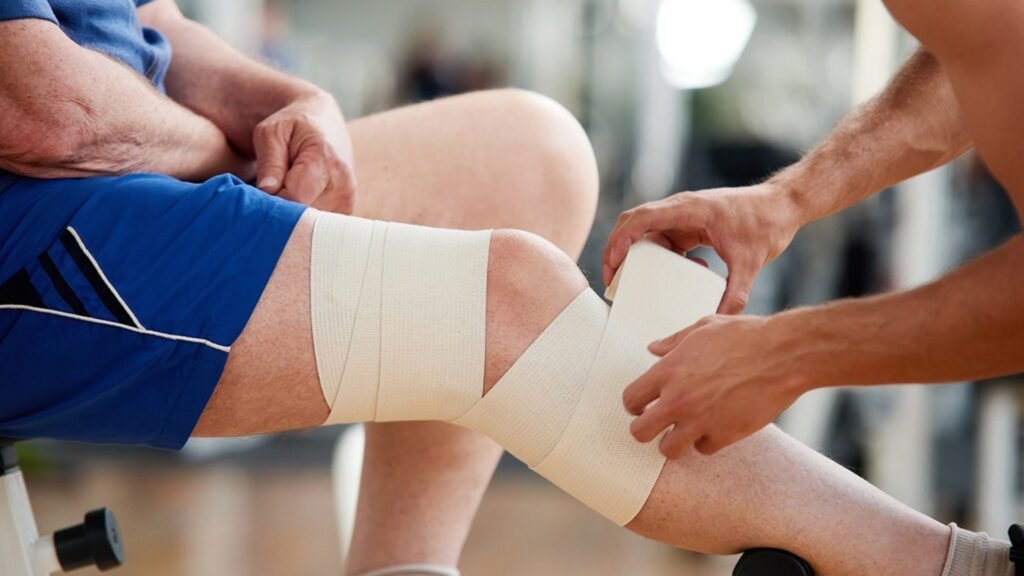
sports injury treatment
Sports injuries can interrupt training, affect performance, and make even simple movements uncomfortable. Whether you play football, run on local trails, lift weights, or compete in organized sports, proper treatment can help you recover and return to activity safely. Finding quality sports physical therapy Austin athletes can trust starts with choosing a qualified provider who understands athletic injuries and your performance goals.
The right therapist focuses on more than temporary pain relief. Effective sports injury treatment in Austin TX can help restore strength, improve flexibility, and address movement problems that may affect your return to sports. With the right assessment and a clear recovery plan, athletes can work toward better movement, greater confidence, and a safer return to training.
Understand Your Sports Injury and Recovery Needs
Before choosing a physical therapy provider, understand how your injury affects your daily activities and athletic performance. Different injuries require different treatment methods, so your needs should guide your search.
Identify the Type of Injury
Athletes commonly experience muscle strains, ankle sprains, tendon problems, knee pain, shoulder injuries, and overuse conditions. Some injuries happen during sudden movements, while others develop after repeated stress from training.
Pay attention to when the pain started, which movements make it worse, and whether swelling or weakness is present. Share these details during your initial assessment.
Set Clear Recovery Goals
Your goals may include walking without discomfort, rebuilding strength, improving balance, or returning to competition. A runner may need better control during each stride, while a weightlifter may need to restore shoulder mobility.
Sports physical therapy Austin providers offer should reflect these individual goals. Ask how treatment will address your sport, training schedule, and physical demands. A clear plan helps you understand what progress may look like and which activities you should avoid during recovery.
Check the Therapist’s Qualifications and Experience
Choosing a qualified provider is an important step toward effective rehabilitation. Sports injuries can involve several muscles, joints, and movement patterns, making a careful assessment essential.
Verify Professional Credentials
Physical therapists practicing in Texas must meet state licensing requirements. You can check licensing information through the Texas Department of Licensing and Regulation.
Ask about the therapist’s clinical background and experience treating athletic injuries. Experience with conditions similar to yours can help the provider understand the physical demands involved in your recovery.
Ask About Sports Rehabilitation Methods
Treatment may include therapeutic exercises, strength training, flexibility work, balance exercises, movement analysis, and manual therapy when appropriate. Your therapist should explain how each method supports your recovery.
Quality sports physical therapy Austin athletes need should also address the movements required by their sport. A basketball player may need jumping and landing practice, while a tennis player may need shoulder strength and controlled rotation.
Choose a provider who explains treatment clearly, welcomes questions, and adjusts the plan according to your progress rather than promising an immediate return to competition.
Look for Personalized Treatment and Progress Tracking
A good rehabilitation plan should match your injury, fitness level, and sport. Following the same routine as every other patient may not address the demands placed on your body during training.
Understand the Initial Assessment
Your first appointment may include questions about your injury history, training habits, symptoms, and performance goals. The therapist may assess strength, flexibility, joint movement, balance, and sport related movements.
This information helps establish a starting point and identify areas that need attention. Be honest about your pain and training schedule so your provider can make suitable recommendations.
Track Your Improvement Over Time
Recovery involves more than noticing less pain. Your therapist may also measure strength, movement control, endurance, and your ability to perform sport specific tasks.
Sports physical therapy Austin athletes choose should include regular progress reviews and appropriate changes to exercises. These reviews help determine whether you are ready for more demanding activities.
A gradual increase in training can reduce unnecessary strain. Returning to intense exercise too soon may aggravate an injury, so follow your therapist’s advice and communicate any new symptoms.
Consider Convenience, Communication, and Cost
Regular attendance can make rehabilitation easier to manage, especially when you balance treatment with work, school, family, and athletic commitments. Practical details should be part of your decision.
Choose a Convenient Local Provider
Look for a clinic that offers appointment times suited to your schedule. Consider travel time, parking, session availability, and the location of the facility. Austin athletes may benefit from choosing a provider who makes follow up visits practical.
Ask about treatment fees, insurance coverage, copayments, and any referral requirements before booking. Clear pricing can help you plan your recovery without unexpected expenses.
Evaluate Patient Communication
Your therapist should explain exercises, answer questions, and discuss realistic expectations. You should understand what to do between appointments and which activities may need temporary changes.
Sports physical therapy Austin residents seek should also support independent recovery through appropriate home exercises and education. A provider who listens to your concerns can help you make informed decisions throughout treatment. Choose someone who values safety and lasting progress over quick promises.
Frequently Asked Questions
When should an athlete see a physical therapist?
Consider an assessment when pain, swelling, weakness, or limited movement affects training or everyday activities. Severe injuries may require prompt medical evaluation.
Can sports physical therapy help prevent future injuries?
It can help address strength imbalances, movement control, flexibility, and training habits that may contribute to injury risk. Prevention depends on several individual factors.
How long does sports injury rehabilitation take?
Recovery time varies by injury, severity, overall health, and treatment progress. Your therapist can recommend a reasonable timeline after assessing your condition.
Can I keep training during physical therapy?
Some activities may remain appropriate, while others may need to be reduced or paused. Follow professional guidance about safe exercise and return to training.
How do I choose sports rehabilitation in Austin?
Check licensing, relevant experience, treatment methods, patient communication, appointment availability, and cost. Choose a provider who understands your sport and recovery goals.
Return to Sports With Greater Confidence
Recovering from an athletic injury requires patience, consistent effort, and appropriate professional guidance. Choosing a qualified therapist can help you restore strength, improve mobility, and rebuild the skills needed for your sport. When comparing sports physical therapy Austin providers, focus on personalized treatment, progress tracking, clear communication, and a safe return to activity.
If you are exploring local rehabilitation options, Carter Physiotherapy is worth considering as you compare available services and discuss your athletic recovery goals. Ask about the assessment process, treatment options, and how progress toward returning to your sport will be measured.
Ready to get back in the game? Contact a qualified physical therapy provider in Austin today to schedule your assessment.