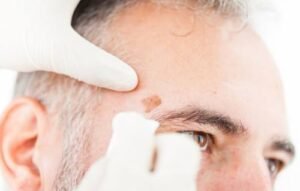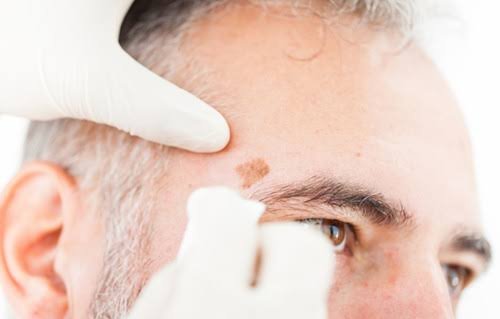
Skin concerns can vary significantly from one person to another. Some people seek treatment for skin tags, cysts, moles or other small growths, while others may require the removal of a suspicious lesion or the surgical treatment of a persistent skin condition. Although some concerns may appear similar on the surface, the most appropriate treatment can depend on several clinical factors, including the location, size, depth and characteristics of the affected area.
Choosing a suitable surgical approach begins with a careful assessment rather than immediately deciding how to remove the affected tissue. A doctor considers the reason for treatment, the appearance of the skin, the patient’s medical history and the expected outcome before recommending a procedure.
For individuals considering Skin Surgery in UK, understanding how these decisions are made can help them prepare for a consultation and develop realistic expectations about treatment. At Well Life Clinic, an assessment-led approach to skin surgery helps establish which treatment method may be appropriate for an individual’s skin concern and clinical needs.
Why Is an Initial Skin Assessment Important?
An initial assessment provides the information a doctor needs to understand the nature of a skin concern. Even when two lesions appear similar, they may differ in their underlying structure, depth or clinical significance. These differences can influence whether surgical removal is appropriate and which method should be considered.
During a consultation, the doctor typically examines the affected area and asks questions about when the concern first appeared, whether it has changed over time and whether it causes discomfort or irritation. Previous treatments and any relevant medical conditions may also be discussed.
The assessment may help establish whether the concern is suitable for a minor surgical procedure or requires further investigation. For example, a small skin tag may be assessed differently from a mole that has recently changed in colour or shape.
A Skin Surgery Clinic In UK should therefore focus on understanding the individual concern before recommending a treatment plan. A clear assessment also allows the patient to discuss their expectations, ask questions and understand the proposed approach.
How Does a Doctor Identify the Type of Skin Concern?
Identifying the type of skin lesion is one of the most important steps in selecting an appropriate surgical method. The doctor considers its appearance, texture, location and behaviour over time.
Examining the Appearance of the Lesion
The visual characteristics of a skin concern can provide useful clinical information. A doctor may assess its shape, colour, surface, borders and overall appearance. The surrounding skin is also examined to identify any additional changes that may influence the treatment decision.
A skin tag, for example, is often a small, soft growth that projects from the skin. A cyst may present as a rounded lump beneath the surface, while a mole may require closer assessment depending on its appearance and history.
If a lesion has features that require further investigation, the doctor may recommend an appropriate examination or referral before proceeding with removal. The priority is to establish the correct next step rather than treating every visible growth in the same way.
Considering Changes Over Time
The history of a skin concern can be just as important as its current appearance. A doctor may ask whether it has grown, changed colour, developed an irregular shape, started bleeding or become persistently itchy.
These changes do not automatically indicate a serious condition, but they can affect the assessment and treatment pathway. Depending on the findings, the doctor may recommend further evaluation before selecting a surgical approach.
How Do Size and Depth Influence the Surgical Method?
The size and depth of a lesion help determine the practical requirements of its removal. A small growth located on the surface of the skin may be suitable for a relatively straightforward procedure, whereas a deeper lump may require a different technique.
For example, the removal of a superficial skin lesion may involve a method designed to address the affected tissue at the skin’s surface. A cyst that extends beneath the skin may require an approach that allows the doctor to access the deeper structure.
The doctor also considers whether the entire lesion needs to be removed and whether a sample should be preserved for laboratory examination. These factors can influence the instruments used, the extent of the procedure and whether the wound requires stitches.
The goal is to select a method that addresses the clinical concern appropriately while taking account of the surrounding healthy tissue.
How Does the Location of a Skin Lesion Affect Treatment Planning?
The location of a lesion can influence both the surgical technique and the way the procedure is planned. Skin differs in thickness, flexibility and sensitivity across the body, and these differences may affect how the area is treated.
A lesion on the face, for instance, may require particular attention to the direction of natural skin lines and the appearance of the eventual scar. Areas exposed to repeated movement, such as the hands or joints, may need a plan that accounts for normal activity and wound care.
The doctor may also consider how much tension the skin experiences in the affected area. This can influence how an incision is positioned and how the wound is closed, where closure is necessary.
For patients seeking a Private Skin Surgeon In UK, discussing the location of the lesion during consultation can help clarify the expected treatment process. The doctor can explain which aspects of the location matter and how they may influence the recommended approach.
Which Skin Surgery Techniques May Be Considered?
The appropriate technique depends on the type of lesion, its characteristics and the purpose of treatment. Not every method is suitable for every skin concern.
Excision of a Skin Lesion
Excision involves cutting out a lesion using a surgical instrument. Depending on the clinical indication, the doctor may remove the lesion alone or include a margin of surrounding tissue.
This method may be considered for certain moles, cysts and other lesions when complete removal is appropriate. The resulting wound may be closed with stitches, depending on its size, depth and location.
If the lesion needs laboratory assessment, the removed tissue can be sent for histological examination. This helps establish its nature and may guide any further care.
Shave Removal
Shave removal involves taking away a suitable raised lesion at or close to the skin’s surface. It may be considered for selected superficial growths when the doctor determines that this method is clinically appropriate.
The technique is not suitable for every mole or skin lesion. The need for a deeper sample or complete removal may mean that another approach is more appropriate.
Removal of Skin Tags
Skin tags are generally benign growths, but they can become irritated by clothing, jewellery or repeated friction. If removal is appropriate, the doctor may consider a method designed for the size, position and characteristics of the skin tag.
The treatment decision also depends on whether the growth has the typical appearance of a skin tag. A lesion that looks unusual should be assessed rather than automatically removed as a skin tag.
Surgical Treatment of Cysts
Cysts develop beneath the skin and may contain material within a surrounding sac. Their depth and structure can make treatment different from removing a superficial growth.
When removal is indicated, the doctor considers the cyst’s location, size and clinical history. The selected approach may aim to remove the cyst and its surrounding capsule where appropriate. If the area is inflamed or infected, the timing and management plan may need to be adjusted.
Why Does Medical History Matter When Selecting Skin Surgery?
A patient’s medical history helps the doctor plan a procedure that is suitable for their circumstances. During consultation, the doctor may ask about existing medical conditions, previous skin procedures, allergies and medicines.
Information about medicines that affect blood clotting, for example, may be relevant to procedural planning. Patients should provide an accurate list of prescribed medicines, over-the-counter products and supplements rather than stopping anything independently.
A history of unusual scarring, previous reactions to local anaesthetic or difficulties with wound healing may also influence the discussion. These details help the doctor decide whether any additional preparation, investigation or follow-up is appropriate.
The patient’s preferences and practical circumstances can also be discussed. Understanding the expected healing period, wound-care instructions and follow-up arrangements helps the patient make an informed decision about proceeding.
Is Local Anaesthetic Needed for Skin Surgery?
The need for local anaesthetic depends on the nature and extent of the planned procedure. Many minor skin surgery procedures can be performed using local anaesthetic, which numbs the treatment area while the patient remains awake.
Before proceeding, the doctor explains how the anaesthetic will be administered and what the patient can generally expect during treatment. The amount required depends on factors such as the size and location of the area being treated.
The planned technique, the patient’s medical history and the complexity of the procedure all contribute to this decision. If a concern requires a more specialised intervention, the doctor may discuss an alternative setting or referral.
Patients should use the consultation to ask about preparation, the expected duration of the appointment and any specific instructions they need to follow.
How Does a Doctor Consider Scarring and Cosmetic Outcomes?
The appearance of the treated area is an important consideration, particularly when a lesion is located on a visible part of the body. However, the cosmetic outcome must be considered alongside the clinical purpose of treatment.
A doctor may assess the natural lines of the skin, the location of the lesion and the amount of tissue that needs to be removed. These factors can influence incision placement and the method used to close the wound.
It is also important to understand that every surgical approach has different healing requirements. The final appearance of the area can depend on individual skin characteristics, the location of the procedure and how the wound heals.
The doctor can explain the likely healing process and provide instructions for caring for the treated area. Patients should understand that a particular appearance cannot be guaranteed and that the primary aim is to manage the skin concern appropriately.
What Happens If Further Investigation Is Needed?
Not every skin concern should be removed immediately. If the examination reveals features that require clarification, the doctor may recommend additional assessment before proceeding.
This may involve a closer examination, specialist referral or a biopsy, depending on the nature of the lesion. A biopsy involves taking a tissue sample for laboratory analysis, while an excision may remove the entire lesion when that is clinically appropriate.
The choice depends on the suspected diagnosis and the information needed to guide treatment. If laboratory testing is performed, the results can help determine whether any further treatment or monitoring is required.
Patients should be encouraged to ask why additional investigation is recommended and how the findings will influence the next steps.
Preparing for a Skin Surgery Consultation at Well Life Clinic
Preparing for a consultation can make the assessment more productive. Patients can start by noting when the skin concern appeared, whether it has changed and whether it causes symptoms such as irritation or discomfort.
It is useful to bring a list of medicines and relevant medical information, along with details of previous procedures involving the affected area. If the lesion has changed over time, photographs taken on different dates may help illustrate its history.
During the appointment, patients can ask which procedure is being considered, why it is suitable, whether the removed tissue will be examined and how the wound should be cared for afterwards.
At Well Life Clinic, an assessment-led discussion can help patients understand the available options and whether treatment at the clinic is appropriate. Where a concern requires a different level of investigation or specialist care, the next steps can be discussed.
Conclusion
Selecting the most suitable surgical approach for a skin concern requires more than identifying a visible growth. A doctor considers the type of lesion, its size and depth, its location, changes over time, the patient’s medical history and the purpose of treatment.
Options such as excision, shave removal, skin tag removal and surgical cyst treatment serve different clinical needs. The correct method depends on the findings of the assessment and whether further investigation is necessary.
For anyone considering Skin Surgery in UK, a consultation is an opportunity to understand the proposed procedure, discuss personal concerns and learn what to expect during recovery. Well Life Clinic can help patients explore the assessment process and determine the appropriate next step for their skin concern.
Frequently Asked Questions
1. How does a doctor choose the right skin surgery procedure?
A doctor examines the lesion, considers its size, depth, location and appearance, and reviews the patient’s medical history. These findings help determine which technique may be appropriate and whether further investigation is required.
2. Can all skin lesions be removed using the same technique?
No. Different lesions have different structures and clinical characteristics. A superficial skin tag, a deeper cyst and a mole requiring laboratory assessment may need different approaches.
3. Is a consultation necessary before skin surgery?
Yes. An assessment helps establish the nature of the skin concern and whether removal is appropriate. It also allows the doctor to explain the proposed procedure and discuss preparation and aftercare.
4. Will a skin lesion be sent for laboratory testing?
This depends on the type of lesion and the clinical findings. If examination or diagnosis requires tissue analysis, the doctor may send the removed tissue for histological assessment.
5. Does the location of a skin lesion affect the procedure?
Yes. The location can influence the surgical technique, incision placement, wound closure and aftercare. Areas such as the face may require particular attention to skin lines and cosmetic considerations.
6. Is local anaesthetic used for minor skin surgery?
Many minor skin procedures can be performed under local anaesthetic. The doctor determines whether it is suitable based on the planned technique, the treatment area and the patient’s individual circumstances.
7. What should I tell the doctor before skin surgery?
Patients should share information about their medical conditions, medicines, allergies, previous procedures and any changes in the skin lesion. They should also mention relevant concerns about healing or previous scarring.
8. How can I arrange a skin surgery assessment in the UK?
You can contact Well Life Clinic to enquire about its skin surgery service and the assessment process. The clinical team can explain the available appointments and help determine whether your concern is suitable for assessment at the clinic.