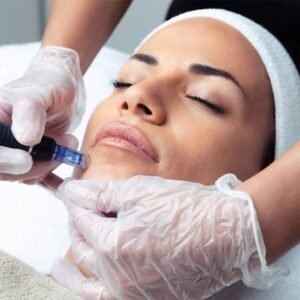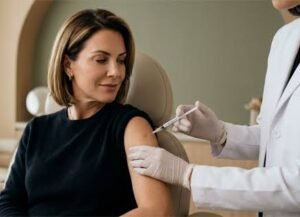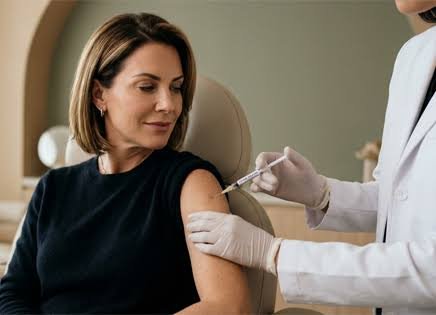
Healthy ageing involves more than changes in outward appearance. It also includes maintaining normal cellular function, supporting metabolic health, and understanding the biological processes associated with ageing. Peptides have attracted interest in scientific research because these short chains of amino acids can influence various biological signals and functions. Exploring peptides dubai can help individuals learn about peptide-based approaches, their potential applications, and the importance of medically guided decisions.
At Grand European Clinic, discussions about longevity and anti-ageing care can begin with an understanding of individual health goals, medical history, and the available scientific evidence. A personalized approach helps distinguish established medical applications from emerging treatments that require further research.
Understanding Peptides and Cellular Longevity
Peptides are short chains of amino acids that participate in many biological processes. Some act as signaling molecules, helping cells communicate and regulate functions such as hormone release, immune activity, and tissue maintenance.
The effects of a peptide depend on its structure, the receptors it interacts with, and how it is administered. Not every peptide has the same biological activity, and findings from laboratory research do not automatically establish that a treatment is safe or effective in humans.
Interest in longevity has encouraged research into whether particular peptides may influence processes associated with ageing. However, cellular longevity is complex and cannot be reduced to a single treatment or biological pathway.
Exploring Peptide Therapy in Dubai
peptide therapy dubai is a term used to describe treatment approaches involving specific peptides for selected medical or wellness purposes. The suitability of any treatment depends on the substance, its approved status, the intended use, and the patient’s health circumstances.
Some peptide-based medicines have established medical applications, while others promoted for anti-ageing or performance enhancement remain investigational or lack strong clinical evidence. These categories should not be treated as interchangeable.
At Grand European Clinic, individuals exploring peptide-related services should seek clear information about the proposed substance, its intended purpose, potential benefits, known risks, and the strength of available clinical evidence. A medical consultation can help determine whether an approach is appropriate or whether established alternatives would be more suitable.
The Science Behind Anti-Ageing Peptide Therapy
anti-ageing peptide therapy dubai reflects growing interest in interventions that may influence biological processes associated with ageing. Researchers study different signaling pathways to better understand cellular communication, tissue maintenance, metabolism, and other functions that change over time.
Nevertheless, the term anti-ageing can be misleading when used without clear evidence. Changes in a laboratory marker do not necessarily translate into improved health, longer life, or a reduction in age-related disease.
Reliable evidence requires well-designed human clinical trials that evaluate meaningful outcomes, appropriate dosing, side effects, and long-term safety. Claims that a peptide can reverse ageing, regenerate the entire body, or extend lifespan should be approached cautiously unless supported by convincing clinical evidence.
Potential Areas of Scientific Research
Cellular Signaling and Biological Regulation
Cells use signaling molecules to coordinate their activities and respond to changes in their environment. Certain peptides interact with these signaling systems, making them relevant to research into metabolic regulation, hormonal processes, and other physiological functions.
However, an effect on one signaling pathway does not establish that a peptide will improve overall health or slow the ageing process. The effects may vary according to the substance, dose, and individual circumstances.
Tissue Maintenance and Repair
Some peptides are investigated for their possible roles in tissue repair and biological recovery. Research findings differ substantially between compounds, and evidence from experimental models may not reflect outcomes in humans.
Before considering a peptide for tissue-related concerns, individuals should understand whether it has an established medical indication and whether reliable human evidence supports the intended use.
Metabolic and Hormonal Functions
Certain peptide-based medicines have recognized roles in managing specific health conditions. Their benefits and risks depend on the medicine and the condition being treated.
Using a peptide outside an established indication for general longevity or anti-ageing purposes requires particular caution. Hormonal and metabolic systems are interconnected, and modifying them without appropriate supervision can lead to unwanted effects.
The Importance of Personalized Medical Assessment
Personalized healthcare begins with understanding an individual’s medical history, current symptoms, medications, allergies, and health objectives. These factors can influence whether a treatment is suitable and which risks deserve particular attention.
A medical assessment may also identify more established ways to address concerns related to ageing, such as managing blood pressure, evaluating metabolic risk factors, improving sleep, and addressing nutritional deficiencies when present.
At Grand European Clinic, patients can discuss their wellness objectives and ask informed questions about available options. Treatment decisions should be based on individual needs, appropriate medical evaluation, and a balanced understanding of benefits and limitations.
Safety Considerations Before Peptide Treatment
Peptide products differ in quality, formulation, and regulatory status. Products obtained from unverified sources may contain incorrect ingredients, contaminants, or inaccurate concentrations. Some substances also have limited long-term safety data.
Potential risks vary according to the peptide and method of administration. Injectable products may cause local reactions or infections, while substances that affect hormonal or metabolic pathways may produce wider physiological effects.
Individuals should not self-prescribe peptides or use products marketed for research purposes as though they were approved medicines. Before beginning treatment, they should ask about regulatory approval, evidence of effectiveness, possible interactions, monitoring requirements, and alternatives.
Supporting Cellular Health Through Healthy Ageing Habits
Although research into longevity treatments continues, established lifestyle measures remain important for supporting health throughout the ageing process.
Regular physical activity can help maintain cardiovascular fitness, muscle strength, and mobility. A balanced diet provides nutrients needed for normal physiological function, while consistent sleep habits support recovery and cognitive well-being.
Avoiding tobacco, limiting alcohol, managing stress, and attending appropriate preventive health appointments can also contribute to long-term health. People with existing medical conditions should follow an individualized care plan developed with a qualified healthcare professional.
These measures do not guarantee extended lifespan, but they can help address established risk factors and support overall well-being.
Evaluating Anti-Ageing Claims Responsibly
The growing interest in longevity has led to many claims about treatments that promise to restore youthful function or reverse biological ageing. Evaluating these claims requires attention to the quality of evidence rather than relying on marketing language alone.
Patients should ask whether the proposed benefits have been demonstrated in human studies, whether the treatment is approved for the intended purpose, and whether its risks are adequately understood.
A responsible approach recognizes that scientific research is evolving. It also acknowledges that no single peptide therapy has been established as a universal solution for ageing or as a guaranteed way to extend human lifespan.
Frequently Asked Questions
What is peptide therapy?
Peptide therapy refers to approaches involving specific chains of amino acids that influence biological processes. Some peptide-based medicines have established uses, while other applications remain experimental or insufficiently supported by clinical evidence.
Can anti-ageing peptides reverse ageing?
There is currently no reliable basis for claiming that peptide therapy can reverse human ageing. Research into particular compounds continues, but laboratory findings do not establish that a treatment can reverse age-related changes or extend lifespan.
Is peptide therapy suitable for everyone?
No. Suitability depends on the particular substance, its medical indication, the patient’s health status, and potential risks. Medical assessment is important before considering treatment.
Are peptide treatments safe?
Safety varies by product and intended use. Some peptide-based medicines have established safety information for approved indications, while others have limited evidence or uncertain long-term effects.
What else can support healthy ageing?
Regular exercise, balanced nutrition, adequate sleep, avoidance of tobacco, management of chronic health risks, and appropriate preventive medical care can support long-term health.
Conclusion
Anti-ageing peptide research offers opportunities to investigate cellular signaling and biological processes associated with ageing. However, the potential benefits of individual peptides must be evaluated separately, and scientific interest should not be confused with proven clinical effectiveness.
Grand European Clinic can serve as a starting point for individuals seeking information about peptide-related wellness options and their suitability. A medically guided approach, realistic expectations, and careful evaluation of available evidence are essential when considering any treatment intended to support cellular longevity.