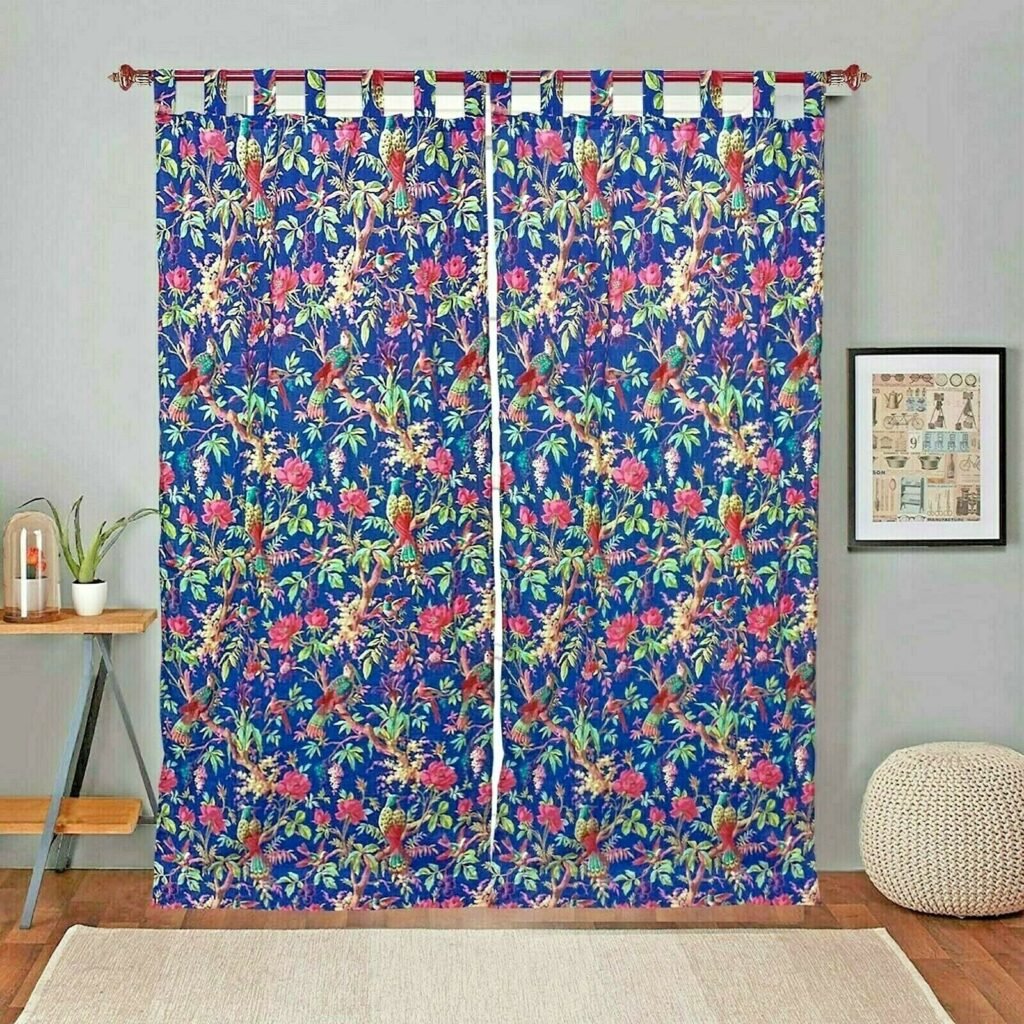
Choosing curtain colours can be tricky because they need to look good with the rest of the room. To make the right choice, look at your wall colour, furniture, natural light, and the feel you want for the room. These things will help you choose curtains that match your space. You can pick colours that blend with the room or add a little contrast to make it more interesting.
What Makes a Curtain Colour Look Good?
A curtain colour looks good when it matches the walls, furniture, and light in the room. Curtains cover a large part of the wall, so their colour can change how the whole room looks. Light colours can make a room feel open and fresh. Dark colours can make it feel warm and cosy.

Here are ten simple tips to help you choose the right curtain colour for your home.
1. Look at Your Room Colours
Before buying curtains, look at the colours already in your room. Check your walls, floors, sofa, and rugs. These colours help you decide which curtains will look best.
Most rooms have two or three main colours. You can choose curtains that match one of these colours or add a new shade that goes well with them. Matching every colour exactly can make the room look plain. A colour that does not match anything else may look out of place.
2. Match Your Walls or Add Contrast
Curtains that match your walls can make a room look calm and open. For example, cream curtains look good with warm beige walls. The colours blend and give the room a soft look. You can also choose a different colour to make your windows stand out. Muted green curtains look fresh against white walls.
Here are three easy ways to choose:
- Match the wall colour for a calm look.
- Pick a colour that is one or two shades darker for a little contrast.
- Choose a different colour if you want the windows to stand out.
3. Choose Colours for Neutral Rooms
White, beige, grey and cream walls are easy to match with different curtain colours. You can add soft shades like sage green, dusty blue or terracotta to bring some colour into the room. If you prefer a simple look, choose a colour close to your wall shade. For example, oatmeal curtains look nice with cream walls.
Grey walls can feel cool, so warm colours like sand or clay can make the room feel cosier. Soft grey-blue curtains can also look good with beige walls.
4. Match Curtains With Dark Furniture
Dark furniture can make a room feel heavy, especially when the floors are dark too. Light curtains in cream, stone or soft white can balance these colours and make the room feel brighter. Muted green curtains also look good with wooden furniture. Both colours have a natural look and work well together.
Try not to use very dark curtains when your furniture and floors are already dark. Too many dark colours can make the room look crowded.
5. Use Light Colours in Small Rooms
Light curtain colours can make a small room feel bigger and more open. Ivory, soft grey and light sand are good choices. Curtains that are close to your wall colour can also make the room look less crowded. The window blends into the wall, making the space feel more open.
Keep patterns small or choose plain curtains. Large and bold patterns can make a small room feel busy.
6. Try Darker Colours in Sunny Rooms
Rooms with lots of sunlight can look good with deeper curtain colours. Navy blue, olive green and rust can add warmth and colour to a bright space. Very light colours may look too pale in strong sunlight. Bright white can also look too harsh.
Check your curtain colour at different times of the day. A shade that looks good in the morning may look different in the afternoon sunlight.
7. Keep Curtains Simple in Colourful Rooms
If your sofa, rugs or cushions already have bright colours or bold patterns, choose simple curtains. This helps the room look neat and balanced. For example, if your rug has rust and cream colours, you can choose curtains in either shade. This helps connect the different parts of the room.
Try to keep three main colours in the room. You can add a few patterns, but too many can make the space look messy.
8. Choose Different Colours for Bedrooms and Living Rooms
Bedrooms should feel calm and relaxing. Soft colours like sage green, mist grey and warm white can help create a peaceful space. Living rooms are used for sitting, talking and spending time with family or friends. You can use richer colours like terracotta, deep green or warm taupe if they match your furniture.
Also, think about when you use the room. If you spend most evenings in your living room, warm colours may look better under lamps.
9. Think About the Curtain Fabric
The fabric can change how a curtain colour looks. Smooth fabrics may reflect more light and look brighter. Textured fabrics can make colours look softer and deeper. Thin fabrics may look lighter when sunlight passes through them.
Cotton curtains are a good choice for everyday spaces. Cotton has a natural, soft look and does not have a shiny finish like some other fabrics. Colours such as oatmeal, sage green and soft clay work well with cotton curtains.
You can use a cotton curtain in a living room or bedroom to create a simple and relaxed look.
10. Check the Colour Before Buying
A curtain colour may look different on a screen or in a shop than it does at home. Checking it in your room can help you avoid choosing the wrong shade.
- Get a fabric sample if possible.
- Check the colour in the morning, afternoon and evening.
- Hold the sample next to your walls, sofa, and floor.
- Think about the room size before choosing a light or dark shade.
- Look at the patterns already in your room before adding another one.
If the colour looks good in different types of light and matches your furniture, it is likely to be a good choice.
Choose a Colour That Suits Your Room
There is no single curtain colour that works for every home. The best choice depends on your walls, furniture, natural light, and personal taste. Take your time and check how different colours look in your room before making a decision.
Before buying, compare a few shades with your walls and furniture. You can also look for cotton curtain options in colours that match your room. A simple colour choice can help your space feel calm, bright and welcoming.