HVAC maintenance service
Your home’s heating and cooling system plays an essential role in maintaining comfortable indoor temperatures throughout the year. From keeping rooms cool during hot summer afternoons to providing warmth on chilly winter nights, your HVAC equipment works hard to meet your household’s needs. However, regular use can lead to dirty filters, restricted airflow, worn components, and other problems that affect system performance. Scheduling a professional HVAC maintenance service helps homeowners identify developing issues, maintain reliable operation, and make informed decisions about repairs before minor concerns become more expensive problems.
Many homeowners only think about their HVAC system when it stops working properly. Unfortunately, waiting for a breakdown can lead to uncomfortable indoor conditions, unexpected expenses, and inconvenient service calls during extreme weather. Routine maintenance provides an opportunity to inspect essential components, evaluate system performance, and address concerns before they interfere with heating or cooling. Understanding what a maintenance appointment includes and why each task matters can help you protect your equipment, manage household expenses, and maintain a more comfortable living environment throughout the year.
What Is HVAC Maintenance Service and Why Is It Important?
HVAC maintenance service involves inspecting, cleaning, testing, and evaluating the components responsible for heating, ventilation, and air conditioning. The exact tasks depend on the equipment installed in your home, its condition, and the manufacturer’s recommendations. A typical appointment may include checking air filters, inspecting electrical connections, examining coils, evaluating airflow, testing thermostat operation, and checking condensate drainage. These procedures help technicians identify conditions that could interfere with normal operation or contribute to premature equipment wear.
Regular maintenance is important because HVAC systems contain multiple components that must work together to provide reliable comfort. A dirty filter can restrict airflow, while a blocked drain may cause water to accumulate around indoor equipment. Loose electrical connections, worn motors, and malfunctioning controls can also affect system performance. Some problems develop gradually and may not be obvious until the equipment begins operating inefficiently or stops working. Professional inspections provide an opportunity to identify these concerns and determine whether cleaning, adjustment, monitoring, or repair is appropriate.
Although maintenance cannot prevent every mechanical failure, it can help homeowners understand the condition of their equipment and plan for future expenses. A technician may identify a component that needs attention before it causes a more significant interruption. This information allows you to discuss repair options, compare costs, and prioritize work according to its urgency. Following a consistent maintenance schedule also helps you keep service records, which can be useful when troubleshooting recurring issues or reviewing warranty requirements.
Air Filter Inspection and Airflow Evaluation
Checking the air filter is one of the most important parts of routine HVAC maintenance. Filters capture airborne particles before they accumulate inside the system, but they can become clogged as dust and debris build up. When airflow becomes restricted, the equipment may have difficulty maintaining comfortable temperatures and may operate for longer periods than necessary. Homeowners should inspect their filters regularly and replace or clean them according to the manufacturer’s instructions and the conditions inside the home.
During a maintenance appointment, the technician may evaluate airflow through the system and check whether vents and accessible return-air openings are unobstructed. Weak airflow can result from a dirty filter, blocked ductwork, blower problems, or other mechanical concerns. Uneven temperatures between rooms may also indicate duct leakage, insulation deficiencies, or an airflow-balancing issue. Identifying the underlying cause is important because simply replacing a filter will not resolve every airflow problem.
Homeowners can support good airflow by keeping supply vents open and avoiding furniture, curtains, or storage items that block them. Choosing a filter with an appropriate rating is also important because a filter that is unsuitable for the equipment may restrict airflow. If your system continues to struggle after the filter has been replaced, a qualified technician should investigate further. Proper airflow supports effective heating and cooling while helping the equipment operate within its intended performance range.
Cleaning Coils and Inspecting Essential Components
Indoor evaporator coils and outdoor condenser coils play a major role in transferring heat during the cooling process. When dirt and debris accumulate on these surfaces, heat transfer can become less effective, potentially affecting cooling performance and energy consumption. Outdoor units are particularly exposed to grass clippings, leaves, dust, and other environmental debris. During maintenance, a technician can inspect accessible coil surfaces and determine whether cleaning is necessary and which method is appropriate for the equipment.
A professional inspection may also include examining the blower assembly, fan motor, electrical connections, and other components relevant to the system. Worn parts or loose connections can affect operation and may require attention before the problem becomes more serious. The technician should explain any identified concerns and distinguish necessary repairs from optional recommendations. Electrical work and repairs involving moving components should be handled by qualified professionals rather than attempted without the appropriate training and equipment.
Not every maintenance visit requires extensive cleaning or replacement of parts. The work should reflect the system’s condition, operating environment, and manufacturer’s recommendations. Excessive or unnecessary cleaning can waste money, while neglecting a component that genuinely needs attention may reduce performance. Asking the technician what was inspected, what was cleaned, and why additional work is recommended helps you understand the service and make informed decisions about your home’s HVAC equipment.
Thermostat Testing and System Performance Checks
Your thermostat controls when the heating or cooling system operates and helps maintain the temperature you select. If the thermostat is incorrectly configured, poorly positioned, or malfunctioning, the system may cycle too frequently or struggle to maintain comfortable indoor conditions. During maintenance, a technician can check thermostat settings, confirm that the controls respond correctly, and investigate problems such as inconsistent temperatures or unexpected shutdowns. If the thermostat uses batteries, replacing weak batteries may also be appropriate when required.
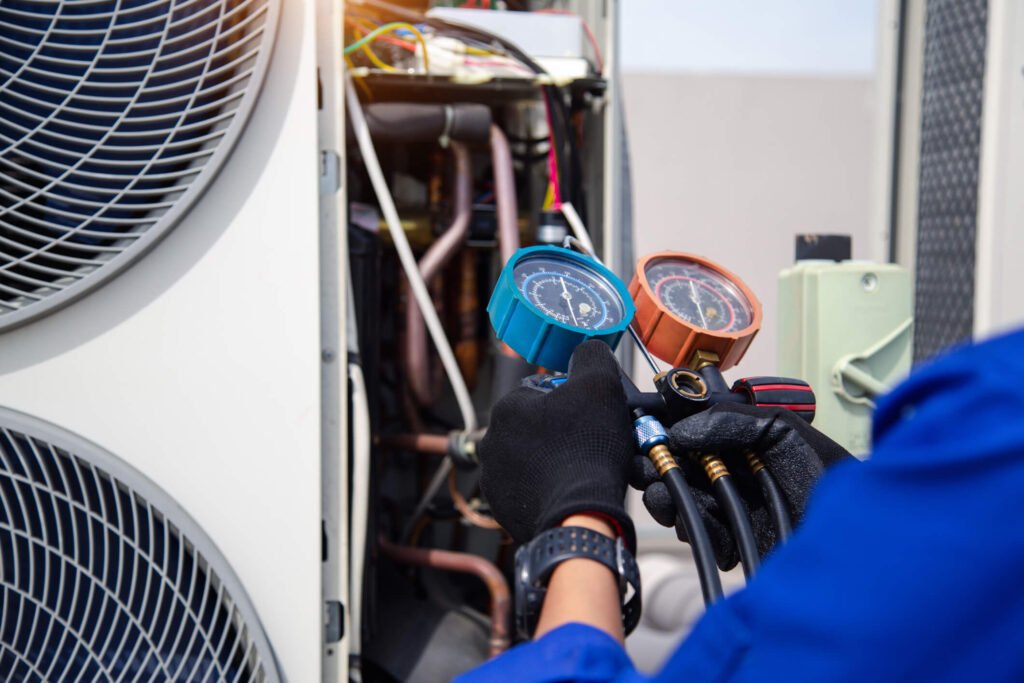
System performance checks can provide additional information about how well the equipment is operating. Depending on the system and reported symptoms, the technician may evaluate temperature differences, airflow, operating cycles, electrical performance, and other measurements. For air conditioning equipment, the technician may also investigate refrigerant-related concerns when the symptoms indicate a possible issue. Refrigerant should not simply be added without appropriate evaluation, particularly when a leak may be present.
These checks help identify performance concerns that may not be visible during a basic visual inspection. For example, an air conditioner that runs continuously without adequately cooling the home may have an airflow restriction, a mechanical fault, or another underlying problem. A proper assessment helps determine whether the system needs maintenance, repair, or further diagnostic testing. Homeowners should receive a clear explanation of any findings and understand which recommendations are necessary to restore normal operation.
Condensate Drainage and Indoor Moisture Management
Air conditioners remove moisture from indoor air as part of the cooling process. The resulting condensation normally collects in a drain pan and flows through a designated condensate drain line. If the line becomes blocked by debris or buildup, water may back up and leak around the indoor unit. Depending on the equipment’s location, this can damage flooring, ceilings, walls, or nearby belongings. Checking the drainage system during maintenance can help identify blockages and other conditions that may lead to water-related problems.
A technician may inspect the drain pan, check the drain line, and look for signs of leakage or improper drainage. Some systems also have safety switches designed to shut down the equipment when water levels become excessive. These features can help reduce the risk of water damage, but they do not eliminate the need for inspection and appropriate maintenance. If you notice water around the indoor unit, recurring leaks, or an unexplained system shutdown, arrange a professional evaluation rather than assuming the issue will resolve itself.
Moisture problems should be addressed carefully because they may have several causes. A clogged drain can create standing water, while frozen evaporator coils can produce excess water when the ice melts. Refrigerant problems, restricted airflow, or other mechanical faults may contribute to coil freezing. If you see ice on the equipment, turn off the cooling function and contact an HVAC professional for diagnosis. Correcting the underlying issue helps protect the equipment and reduces the likelihood of recurring moisture problems.
How Often Should Homeowners Schedule HVAC Maintenance?
The appropriate maintenance schedule depends on the type of HVAC equipment, its age, usage patterns, and the manufacturer’s instructions. Many homeowners benefit from arranging professional service before the main cooling and heating seasons, particularly when their systems operate heavily during extreme weather. Air conditioning equipment may need attention before summer, while furnaces and heat pumps should be evaluated according to their heating requirements. Some households may need more frequent inspections because of heavy use, environmental conditions, or recurring performance concerns.
Homeowners should not assume that one annual appointment will automatically cover every maintenance requirement. A combined heating and cooling system may have components that need different checks at different times of the year. Reviewing the owner’s manual and discussing an appropriate schedule with a qualified technician can help ensure that maintenance matches the equipment’s needs. Regular filter checks remain important between professional visits because filters can become dirty well before the next scheduled appointment.
When searching for heating and air conditioning contractors near me, compare providers based on their qualifications, inspection procedures, pricing transparency, and service policies. Ask what the maintenance visit includes and whether you will receive documentation of the inspection. A dependable contractor should explain any identified problems, provide clear repair estimates, and obtain approval before performing additional work. Choosing a qualified professional helps ensure that maintenance is relevant to your system rather than a generic service that overlooks important concerns.
The Financial Benefits of Preventive HVAC Maintenance
Routine HVAC maintenance can help homeowners manage expenses by identifying developing problems before they cause additional damage. For example, correcting a drainage issue early may prevent water damage, while addressing restricted airflow may reduce unnecessary strain on the equipment. Keeping coils and filters in appropriate condition can also support normal heat transfer and airflow. The financial results vary by home and system, but preventive care provides a practical opportunity to address maintenance-related problems before they become more disruptive.
Energy consumption is another consideration. An HVAC system affected by dirty components, restricted airflow, or malfunctioning controls may operate less effectively than intended. Maintenance can help identify and correct some of these conditions, although it cannot guarantee a specific reduction in utility bills. Actual energy costs also depend on outdoor temperatures, electricity or fuel rates, insulation, thermostat settings, and household habits. Combining professional maintenance with sensible thermostat use and improvements to the home’s insulation can support better overall energy management.
Maintenance can also help homeowners plan for equipment replacement. If a technician identifies repeated failures, significant wear, or declining performance, you can compare the likely cost of continued repairs with the cost of replacing the system. Equipment age alone does not determine whether replacement is necessary, so consider the repair history, reliability, efficiency, and expected future expenses. A clear understanding of your system’s condition allows you to make decisions based on practical information instead of waiting until an unexpected breakdown forces an urgent purchase.
Choose Professional HVAC Maintenance for Reliable Home Comfort
A well-maintained HVAC system is better positioned to deliver dependable heating and cooling when your household needs it. Routine service helps evaluate airflow, inspect important components, identify drainage concerns, and check whether the equipment is operating as intended. While no maintenance plan can eliminate every possible breakdown, consistent care can help homeowners recognize developing problems and address them before they become more disruptive. It also provides a clearer understanding of the equipment’s condition and future maintenance requirements.
If you are looking for heating and air conditioning contractors near me, choose a provider who explains the work clearly and bases recommendations on the actual condition of your system. Ask about licensing, insurance, service costs, maintenance procedures, and any applicable warranties. Request a written summary of the inspection and clarification of any recommended repairs. These steps help you compare providers fairly and establish realistic expectations about the benefits of the service.
Ultimately, HVAC maintenance is about protecting your equipment, managing household expenses, and maintaining a comfortable indoor environment throughout the year. Regular filter replacement, unobstructed vents, timely professional inspections, and prompt attention to unusual symptoms all contribute to responsible system care. By understanding what maintenance includes and why each task matters, you can make better decisions about your home’s heating and cooling needs. A consistent maintenance routine offers a practical foundation for reliable operation and long-term value from your HVAC investment.