If you’ve ever stood in the backyard section of a hardware store staring at rows of shiny, mass-produced smokers, you know the feeling. They all look fine. None of them feel right. Thin metal, flimsy hinges, a firebox that’s basically an afterthought. You buy one, you use it for a season, and by year two you’re patching rust holes with foil tape. Sound familiar? Yeah, that was me too, for longer than I’d like to admit.
Custom offset smoker grills are a different animal entirely. We’re talking thick steel, real craftsmanship, and a build that’s actually made for how you cook, not some generic template cranked out by the thousands in a factory overseas. Once you’ve cooked on one, going back to a store-bought unit just feels like a downgrade. It really does.
What Makes Offset Smokers So Different
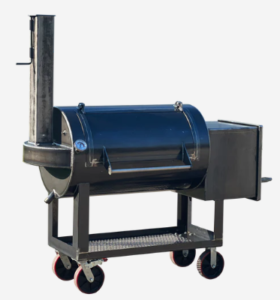
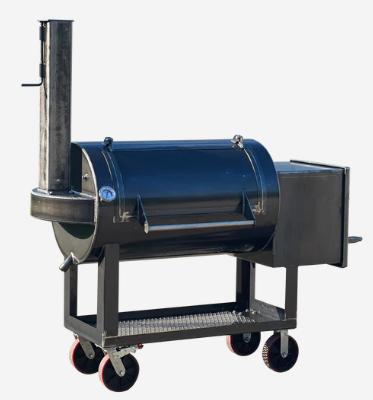
An offset smoker works on a simple idea that’s been around for generations — fire and smoke on one side, meat on the other. The firebox sits off to the side, heat and smoke travel through the main chamber, and out the stack it goes. Simple in theory. Hard to get right in practice, especially with cheap steel that warps after a few hot sessions.
That’s the thing nobody tells you when you’re shopping for a smoker. The gauge of steel matters more than almost anything else. Thin steel heats up fast, sure, but it also loses heat just as fast the second you open the lid or a gust of wind hits it. You end up fighting your fire constantly, babysitting temps, wasting fuel, wasting time. A heavier build — quarter inch steel or better — holds heat steady. It just does. Less fuss, better bark, more consistent cook.
Custom offset smoker grills solve this because they’re built to the specs you actually need, not whatever’s cheapest to mass produce. Thicker steel, tighter seams, properly sized fireboxes that match the cook chamber instead of being tacked on as an afterthought.
Custom Pits Are Built Around How You Actually Cook
Here’s something people don’t think about until they’re three smokers deep — everybody cooks differently. Some folks are doing weekend briskets for the family. Others are running a food truck and need serious capacity, fast recovery times, and a rig that can take a beating five days a week. A one-size-fits-all smoker just can’t serve both of those needs well. It’s trying to be everything and ends up being mediocre at most of it.
That’s where custom pits come into play. You’re not stuck with whatever dimensions some factory decided were “standard.” Want a bigger cook chamber because you’re feeding forty people at a cookout? Done. Need a smaller, more portable rig for tailgating? That’s doable too. Want a built-in warming box, extra shelving, a specific wheel setup because your driveway’s on a slope — all of that gets worked into the design instead of bolted on later as a cheap add-on.
And honestly, there’s something satisfying about owning a pit nobody else has. Not in a flashy, show-off kind of way — more like, this thing was made for me, for how I cook, for the food I actually make. That matters more than people expect going in.
Build Quality Is Where the Real Difference Shows Up
Let’s talk steel for a second, because this is where cheap smokers fall apart — literally. A lot of the budget stuff on the market is built with 10 or 12 gauge steel. It’s light, it’s cheap to ship, and it just doesn’t hold up long term. Welds crack. Doors warp. You get hot spots in the cook chamber that ruin an otherwise great brisket.
A properly built custom offset smoker grill is going to use heavier gauge steel throughout — the firebox especially, since that’s where the most abuse happens. Good craftsmen will also think about airflow, baffle plates, and how heat distributes across the whole cook chamber, not just near the firebox. That stuff isn’t flashy. You won’t see it in a glossy product photo. But it’s the difference between a smoker that cooks evenly and one where your food at the far end is basically raw while the near end is already burnt.
There’s also the finish work. Good custom builders spend real time on seals, hinges, handles — the small stuff that either makes daily use a pleasure or a constant annoyance. Ever used a smoker with a lid that doesn’t seal right? Smoke just pours out everywhere, you’re losing heat, wasting wood, and honestly it’s just annoying. Little details like that separate a backyard toy from a serious cooking machine.
Why Going Custom Actually Makes Sense Long Term
I get it, custom costs more upfront. There’s no getting around that. But here’s the thing — when you buy cheap, you’re basically paying twice. Once for the smoker that breaks down in two years, and again when you replace it. Do that two or three times and suddenly that “cheap” option wasn’t cheap at all.
A well-built custom pit, properly maintained, can last decades. Decades. That’s not an exaggeration, that’s just what happens when you start with good steel and good welds instead of cutting corners from day one. You’re not buying a smoker, really — you’re buying into years of cookouts, family gatherings, competitions if that’s your thing, or just quiet Sunday mornings tending a fire because you enjoy it.
There’s also resale value to think about, which people often overlook. A quality custom offset smoker grill holds its value way better than mass-produced stuff. People who know barbecue know the difference between a cheap unit and something properly built, and they’re willing to pay for the real deal secondhand too.
Finding the Right Builder Matters As Much As the Steel
Not every “custom” shop is actually custom pits in any meaningful sense. Some just take a standard design and slap a paint job on it, call it a day. That’s not what you want. You want a builder who actually asks questions — how do you cook, what do you cook, how often, where will it live, do you need it towable. Those details shape the final build in ways that actually matter once you’re standing in front of it with a cold beer and a load of hickory.
Look at their past work. Talk to people who’ve bought from them. Ask about steel gauge, welding process, how they handle airflow design. A good builder will talk your ear off about this stuff because they’re proud of it. A sketchy one will get vague real quick.
If you’re ready to stop settling for off-the-shelf and actually get something built right, built for you, that’s exactly the kind of work we do. Head over to lonestargrillz and let’s talk about building your custom offset smoker grill or custom pit — one that’s going to outlast every cheap alternative out there, and probably outlast you griping about your old one too.
FAQs
- How much does a custom offset smoker grill typically cost compared to a store-bought one?
Honestly, it varies a lot depending on size, steel thickness, and features, but expect to pay more upfront than a big box store unit. The trade-off is you’re getting something that’ll last decades instead of a couple seasons, so the real cost per year of use actually ends up lower. - How long does it take to build a custom pit?
Build times depend on the complexity of the design and current order volume, but most custom builds take several weeks to a few months. It’s not something that gets rushed — good welding and proper steel work just takes time. - Can I customize the size of my offset smoker for competition or commercial use?
Yeah, absolutely, that’s kind of the whole point of going custom. Whether you need a massive cook chamber for competitions or a commercial-grade rig for a food trailer, the dimensions and features get built around your actual needs. - What steel gauge should I look for in a quality offset smoker?
Generally you want to steer clear of anything thinner than 1/4 inch for the main cook chamber and firebox, since thinner steel loses heat fast and warps over time. Heavier gauge steel holds temperature steadier, which means better, more consistent cooks.