Exhibitions and trade events often bring many businesses into the same space. Each business needs a display that presents its information clearly while leaving enough room for visitors and staff. Pop up stands are commonly used for this purpose because they offer a portable way to create a visible exhibition backdrop. Their simple structure can be assembled for an event and packed away afterward.
A well-planned display does not need to be complicated. The right size, readable graphics, useful lighting, and sensible placement of products can make the exhibition area easier to understand. Portable displays can also be useful for businesses that attend several events because the same basic structure may be used more than once.
1. What Pop Up Stands Are
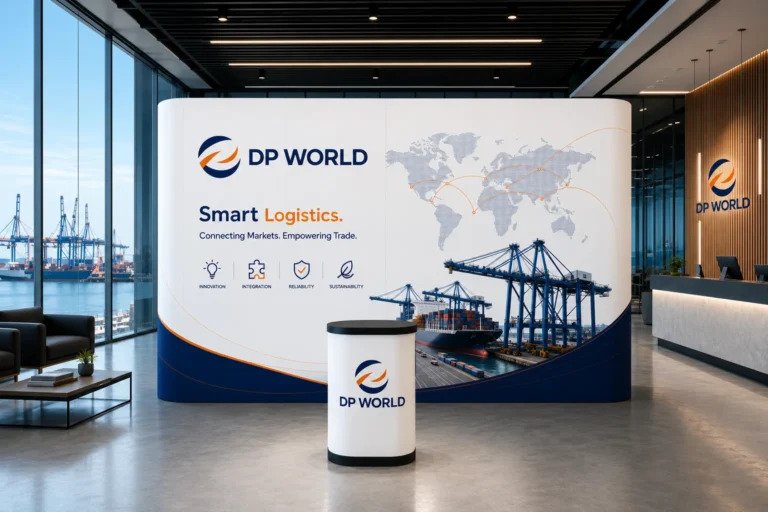
Pop up stands are exhibition displays built around a collapsible frame. The frame can be opened to create a display wall, while printed graphics or panels provide the visible surface.
The display may be used to show a company name, logo, product photographs, service details, or short messages. Different models can vary in size, shape, material, and graphic attachment system.
The portable nature of these displays makes them different from permanent exhibition structures. Instead of leaving the display at a venue, it can be packed and stored after the event.
This type of display can therefore suit businesses that need a temporary presentation area without constructing a new structure for every exhibition.
2. Selecting the Appropriate Size
The available exhibition space should always be measured before selecting a stand. Event organizers usually provide the size of the allocated area, and the display needs to fit within those boundaries.
A smaller display may be suitable when the exhibition area is limited or only a few messages need to be shown. A larger display can provide more room for photographs, product information, and branding.
However, the display should not take up so much space that visitors cannot move comfortably. Staff also need enough room to work and speak with visitors.
It is useful to consider the complete layout rather than looking only at the dimensions of the backdrop. Tables, chairs, products, and storage space can all affect how much room is actually required.
3. Planning the Graphic Design
Graphics help communicate the purpose of the exhibition display. A visitor should be able to understand the main message without having to study the entire stand.
The business name or logo can be positioned where it is easy to see. A short heading can explain the main topic, while images and brief information can provide additional details.
Large and readable text is important because visitors may first see the display from a distance. Small paragraphs can be difficult to read in a busy exhibition hall.
Images should also be prepared at a suitable quality for large-format printing. Blurred or low-resolution photographs can affect the overall appearance.
Leaving enough space between different design elements can make the graphic easier to understand. A clean design often communicates information more effectively than one containing too many details.
4. Organizing the Exhibition Space
The display backdrop is only one part of the exhibition setup. The space around it should also be planned carefully.
Products can be arranged on shelves, counters, or tables if required. Printed brochures and samples can be placed where visitors can reach them without blocking the main display.
Furniture should be limited to what is actually needed. Too many chairs or tables can make the area feel crowded and may hide important graphics.
The entrance should remain open so that visitors can approach naturally. Staff should also avoid standing directly in front of important information.
A well-organized layout makes it easier for people to move around and gives staff enough space to communicate with visitors.
5. Preparing the Stand Before an Event
A test setup can help prevent problems on the day of the exhibition. The frame should be assembled in advance when possible, and the graphics should be attached and checked.
This process can reveal missing components, incorrect measurements, damaged graphics, or other issues before the display reaches the venue.
Staff members who are responsible for setting up the stand should understand the assembly process. If several people may handle the equipment, keeping the setup instructions with the display can be useful.
It is also worth checking the exhibition venue’s rules before arriving. Some venues have specific requirements concerning stand height, electrical connections, lighting, access, or other equipment.
6. Handling Transportation and Storage
Portable displays are designed to be moved, but they still need careful handling. The frame and graphics should be packed in suitable cases or protective containers.
The correct storage method for the graphic depends on its material. Some graphics may be folded, while others should be rolled to reduce the chance of permanent creases.
Small parts should be stored together with the main equipment. Losing a connector or fitting can make setup difficult even when the main frame is available.
After an event, the display should be checked before being placed into storage. If anything has been damaged, it can be addressed before the next event rather than discovered at the last minute.
7. Choosing Between Display Materials
Pop-up displays can use different materials for their graphics. Fabric and rigid panels are common choices, and each can provide a different appearance and handling experience.
Fabric can create a continuous printed surface and may be convenient to pack. Rigid panels can provide a more structured appearance and may be suitable for certain display systems.
The choice should be based on how the display will be used. Businesses that travel frequently may have different requirements from those using a display at one local venue.
The frame should also be considered alongside the graphic. The two parts need to fit together correctly and should be suitable for repeated assembly and transportation.
8. Using Displays at Different Events
Portable exhibition displays can be used for many types of events. These include trade shows, conferences, business exhibitions, seminars, product launches, and promotional activities.
The graphic can be changed according to the purpose of the event. A product presentation may focus on product photographs and features, while a conference display may use a simple business message.
Some systems also allow graphics to be replaced without changing the frame. This can be useful when a business wants to use the same display structure for different campaigns or events.
The surrounding furniture and products can also be changed. This allows the same basic display to work in both large and smaller exhibition spaces, provided the size and venue requirements are suitable.
9. Maintaining the Display Between Events
Regular maintenance can help protect the display from unnecessary wear. The frame should be checked after each event for loose connections, damaged parts, or other issues.
Graphics should be inspected for stains, tears, and printing damage. Cleaning should follow the care instructions for the specific material.
The equipment should be stored in a dry and suitable place. Graphics should be protected from heavy objects that could create creases or other damage.
It is also useful to keep an inventory of all components. A simple checklist can confirm that the frame, graphics, accessories, and other necessary items are ready before the next exhibition.
10. Creating a Comfortable Visitor Experience
A display should not only look organized; it should also be comfortable for visitors. People should be able to approach the stand without having to move around unnecessary obstacles.
Products should be positioned at a suitable height, while brochures and samples should be easy to reach. If meetings are expected, a small seating area can be included without blocking the main visitor path.
Lighting can also help visitors see important parts of the display. It should be positioned safely and should not create additional obstacles.
Staff should keep the space open and approachable. When visitors can easily see the information and understand where they can stand, conversations can happen more naturally.
Final Thought
Pop up stands offer a straightforward way to create a temporary exhibition space that can be assembled, transported, stored, and reused. Their practical structure makes them suitable for different types of business events and exhibition environments.
The quality of the final display depends on careful planning. Selecting the correct size, preparing clear graphics, arranging furniture properly, and checking the equipment before each event can all improve the setup.
A simple display can often communicate more effectively than one filled with excessive information. By keeping the message clear and the exhibition area comfortable, businesses can create a useful space where visitors can easily see the information and interact with staff.